
This is Medicare fraud capital. Why would Trump give a pass to healthcare exec? | Opinion
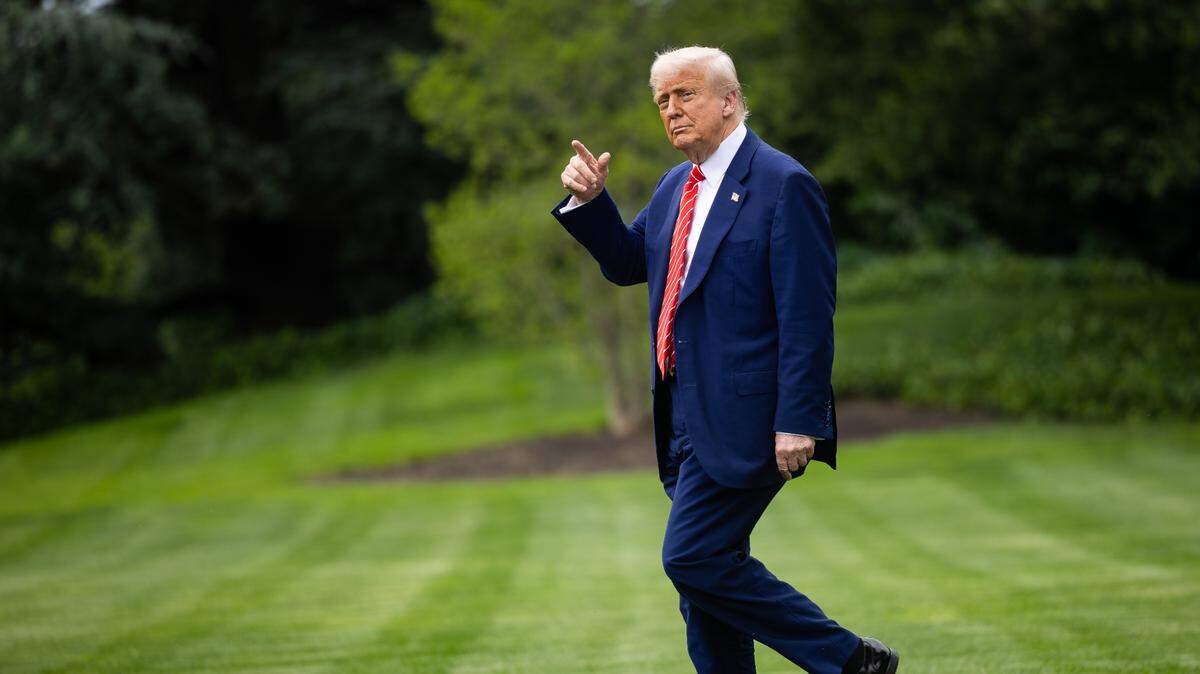
A Miami man whose sentence President Donald Trump commuted this week was accused of helping orchestrate the nation’s largest mental healthcare racket before he pleaded guilty to a series of charges in 2011, the Herald reported at the time. Among those charges were defrauding Medicare, healthcare fraud and money laundering.
In South Florida, which carries the disgraceful moniker of America’s healthcare fraud capital, holding perpetrators accountable matters. In an administration obsessed with slashing spending and poised to cut food stamps and Medicaid, Trump should have taken the sheer cost of fraud to taxpayers into account.
In 2016, Lawrence Duran — the former co-owner of American Therapeutic Corp., a Miami-based company that ran seven healthcare clinics between South Florida and Orlando — received the longest sentence ever given at the time, 50 years, for Medicare fraud. He and his girlfriend, Marianella Valera, who was released from prison in March 2020, filed 866,000 false claims with Medicare and received more than $87 million, according to court records reviewed by the Herald.
Their case was part of a bigger probe into a scheme involving $200 million in false billings, an amount Trump’s DOGE would have bragged about cutting if it meant eliminating foreign aid or the jobs of federal workers.
In all, South Florida was responsible for $308 million, or 20%, of the $1.4 billion in false healthcare claims nationwide in 2021, ranking the region No. 1 in healthcare fraud.
These words by then-Acting U.S. Attorney Tony Gonzalez need attention four years later: “... We are clearly one of the most aggressive offices going after fraudsters. Indeed we are super aggressive in going after all types of healthcare fraud.”
Unfortunately, aggressive prosecution of such cases can be a waste when the president can give sentenced perpetrators a pass.
It’s unclear why Trump commuted Duran’s sentence, but he was among dozens who received clemency this week. Others include political allies and Trump supporters, a former Chicago gang leader and a former New York representative who pleaded guilty to felony tax evasion in 2014. For example, the daughter of reality TV stars Julie and Todd Chrisley, who received a presidential pardon after their conviction for evading taxes and defrauding banks, is a Trump supporter.
In many cases, it seems Trump’s criteria for presidential clemency include how much those under consideration embrace the MAGA label. As Ed Martin, a Trump advisor who led clemency efforts, wrote on social media on Monday: “No MAGA left behind.” Let’s not forget that among those Trump is not leaving behind are the more than 1,500 people pardoned after being convicted for their involvement in the storming of the U.S. Capitol on Jan. 6, 2021, including former Proud Boys leader Enrique Tarrio from Miami.
During Trump’s first term, he also commuted the 35-year sentence of Judith Negron, whom a jury convicted in 2011 on 24 counts of conspiracy, fraud, paying kickbacks and money laundering in collaboration with Duran and Valera. Negro was vice president of a company prosecutors say was created to launder $83 million in Medicare payments to Duran, Valera and others. The couple lived in a Miami bayfront condo and drove a Maserati, the Herald reported.
Meanwhile, the scheme prosecutors accused them of orchestrating involved billing Medicare for group mental-health sessions that were not needed or were not provided to patients at their clinics. Those patients were not capable of feeding themselves, much less attending therapy group sessions.
Medicare fraud costs taxpayers a lot of money, both from the fraudulent payments made to providers and for the cost of paying prosecutors and court expenses to bring these cases to justice. Presidential clemency in this case sends the wrong message.
Click here to send the letter.
BEHIND THE STORY
MOREWhat's an editorial?
Editorials are opinion pieces that reflect the views of the Miami Herald Editorial Board, a group of opinion journalists that operates separately from the Miami Herald newsroom. Miami Herald Editorial Board members are: opinion editor Amy Driscoll and editorial writers Isadora Rangel and Mary Anna Mancuso. Read more by clicking the arrow in the upper right.
What's the difference between an op-ed and a column?
How does the Miami Herald Editorial Board decide what to write about?
The Editorial Board, made up of experienced opinion journalists, primarily addresses local and state issues that affect South Florida residents. Each board member has an area of focus, such as education, COVID or local government policy. Board members meet daily and bring up an array of topics for discussion. Once a topic is fully discussed, board members will further report the issue, interviewing stakeholders and others involved and affected, so that the board can present the most informed opinion possible. We strive to provide our community with thought leadership that advocates for policies and priorities that strengthen our communities. Our editorials promote social justice, fairness in economic, educational and social opportunities and an end to systemic racism and inequality. The Editorial Board is separate from the reporters and editors of the Miami Herald newsroom.
How can I contribute to the Miami Herald Opinion section?
The Editorial Board accepts op-ed submissions of 650-700 words from community members who want to argue a specific viewpoint or idea that is relevant to our area. You can email an op-ed submission to oped@miamiherald.com. We also accept 150-word letters to the editor from readers who want to offer their points of view on current issues. For more information on how to submit a letter, go here.
This story was originally published June 3, 2025 at 2:58 PM.