
The fate of 880K migrants wouldn’t be up to the Court if our leaders stepped up | Opinion
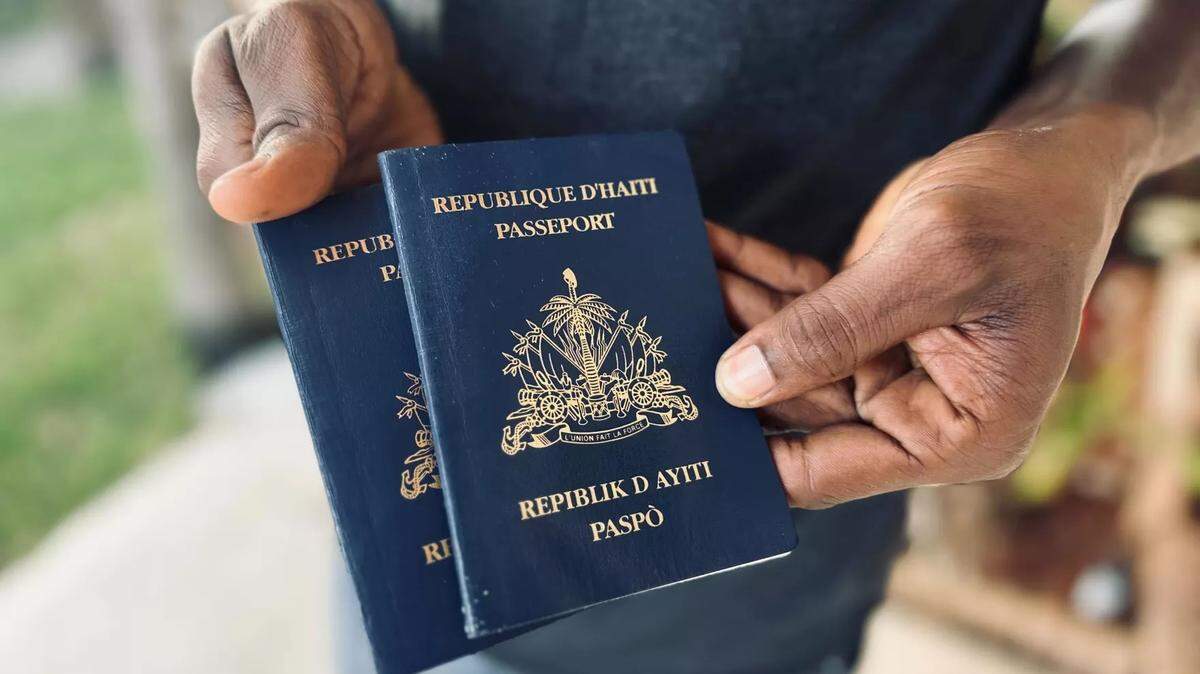
A jolt rocketed through Miami Friday morning: The Supreme Court ruled that President Trump can end an immigration program protecting 532,000 Cubans, Haitians, Nicaraguans and Venezeulans from deportation, a parole program known as CHNV.
Once again, Miami will feel the pain from this decision, in which the justices overturned a federal judge’s order that had stopped a Trump administration plan to revoke humanitarian parole for immigrants from the four countries. Now that the revocation can go forward, at least for now, what happens next will affect our neighbors, friends, relatives and co-workers, and will certainly upend the economies of places reliant on their labor, such as Miami.
Miami-Dade County may be considered Trump country after the last presidential election but this hurts. It’s a big setback. And it comes on top of the justices’ decision in favor of the Trump administration on May 19 revoking for now TPS — Temporary Protected Status — for hundreds of thousands of Venezuelans living in Florida and other states.
The Supreme Court’s rulings underscore a fundamental flaw in how the U.S. approaches immigration.
People shouldn’t be forced to return to a dictatorship in Venezuela, or gang rule in Haiti, because of the whim of a particular president. Only immigration reform will resolve this endless back and forth, but neither party has shown true interest in passing legislation in Congress in over a decade. We need a rational approach to immigration and deportation rather than one falsely based on fear or even prejudice.
The Biden administration created the immigration parole program as a way to alleviate a migrant crisis at the U.S.-Mexico border. It allowed migrants from the four countries to come to the U.S. for up to two years in an effort to reduce unlawful border crossings.
Trump came into office vowing to stop illegal immigration, and his Homeland Security secretary, Kristi Noem, moved to terminate the program in March citing, among other things, national security risks and evolving foreign policy. A Boston federal judge blocked Noem’s decision and an appellate court agreed but on Friday, the Supreme Court granted the administration’s appeal.
We understand those who say the CHNV program was always temporary. That’s true. But Trump’s cruelty in suddenly telling a half-million migrants that they will have to leave the country before the two years allowed under the program is hard to stomach.
This chaotic scenario likely would not happen if Congress had faced up to its responsibility to reform the immigration system. Both parties carry the blame for not making that happen, though some of our local members of Congress have tried.
Secretary of State Marco Rubio, then a U.S. senator, was part of a group that tried to pass reform in 2013. The proposal failed, and Rubio distanced himself from it. Other Republicans have tried, too. Miami U.S. Rep. Maria Elvira Salazar has proposed the “Dignity Act,” which offers a pathway to citizenship for immigrants without criminal records, but chances that it will ever get a serious hearing in the House are less than slim. Last year, congressional Republicans killed a bipartisan border security deal at Trump’s urging.
Trump’s plan to deport immigrants on parole or TPS — a total of about 852,000 — is an unrealistic goal. And if it were to happen, we’d see people and workers essentially vanish from neighborhoods and businesses.
A more sensible approach would have been to allow those on the CHVN program to stay in the country for the two years allotted and give them the opportunity to pursue asylum or another status. Some immigration advocates have said they hoped those with pending immigration proceedings would be allowed to stay until their cases are resolved, unlikely in the current atmosphere.
So what will happen to Miami, where this ruling will have serious effects? This is a community that always welcomed immigrants. We hope that is still the case. Trump rightfully identified immigration as an enormous concern for the U.S. and even South Florida. But his approach is wrongly based on anger and fear. And none of that excuses Congress, which should have done its job on immigration long before Trump.

Click here to send the letter.
BEHIND THE STORY
MOREWhat's an editorial?
Editorials are opinion pieces that reflect the views of the Miami Herald Editorial Board, a group of opinion journalists that operates separately from the Miami Herald newsroom. Miami Herald Editorial Board members are: opinion editor Amy Driscoll and editorial writers Isadora Rangel and Mary Anna Mancuso. Read more by clicking the arrow in the upper right.
What's the difference between an op-ed and a column?
How does the Miami Herald Editorial Board decide what to write about?
The Editorial Board, made up of experienced opinion journalists, primarily addresses local and state issues that affect South Florida residents. Each board member has an area of focus, such as education, COVID or local government policy. Board members meet daily and bring up an array of topics for discussion. Once a topic is fully discussed, board members will further report the issue, interviewing stakeholders and others involved and affected, so that the board can present the most informed opinion possible. We strive to provide our community with thought leadership that advocates for policies and priorities that strengthen our communities. Our editorials promote social justice, fairness in economic, educational and social opportunities and an end to systemic racism and inequality. The Editorial Board is separate from the reporters and editors of the Miami Herald newsroom.
How can I contribute to the Miami Herald Opinion section?
The Editorial Board accepts op-ed submissions of 650-700 words from community members who want to argue a specific viewpoint or idea that is relevant to our area. You can email an op-ed submission to oped@miamiherald.com. We also accept 150-word letters to the editor from readers who want to offer their points of view on current issues. For more information on how to submit a letter, go here.
This story was originally published May 30, 2025 at 1:12 PM.