
The lessons from Cassie Ventura’s testimony at Diddy’s sex-trafficking trial | Opinion
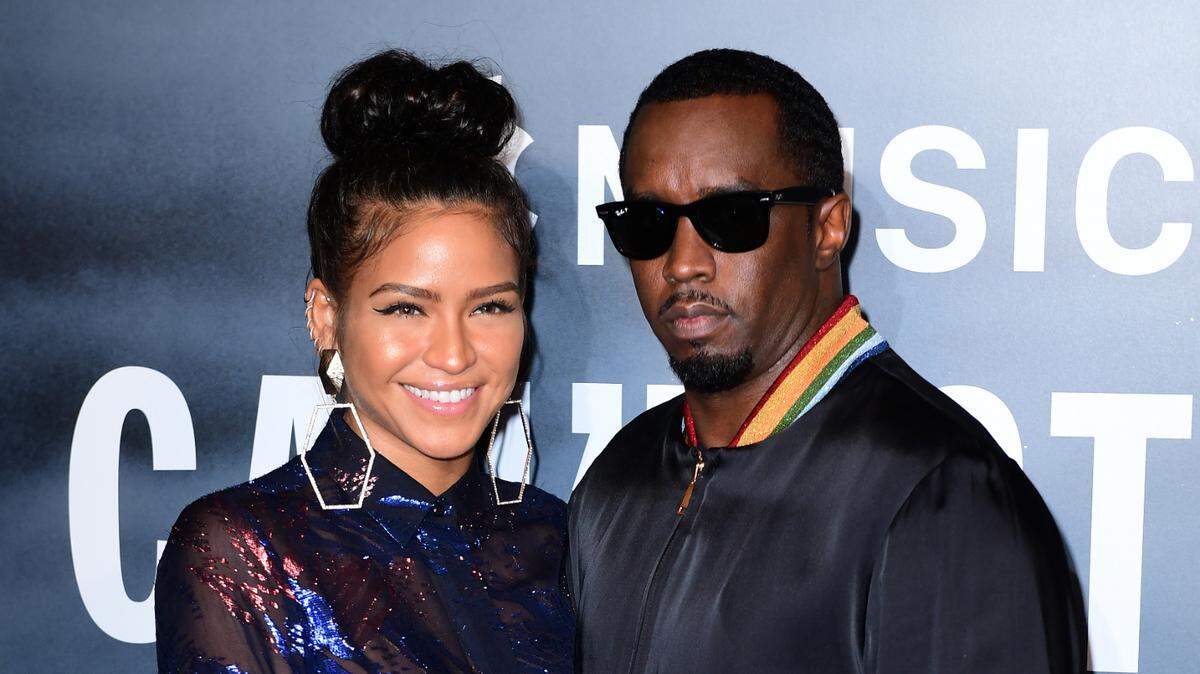
During singer Cassie Ventura’s four days on the witness stand in New York this week testifying in the sex trafficking case against rap mogul Sean “Diddy” Combs, her testimony offered a window into a world of wealth and abuse that she said she faced during their relationship.
Her testimony was emotional and graphic, painting a picture of a relationship fueled by manipulations, domestic violence and sexual abuse.
Ventura described how Combs, whose homes in Los Angeles and on Star Island in Miami were raided by federal authorities last year, allegedly used his money and power to control her. She lived in fear over his threats of blackmail, she said. And she said she endured physical violence, testifying about an alleged incident in 2016 where Combs attacked her at a Los Angeles hotel. She told the jury that during a “freak-off,” Combs hit her in the face and she fled.
The details are salacious and deeply disturbing. But at the heart of Ventura’s testimony is a familiar theme: domestic violence doesn’t discriminate.
Her testimony, if true, is about more than lives of excess and extreme wealth. It also spotlights the complexities of domestic abuse that extend beyond physical violence to include psychological control through fear, manipulation or economic power. That kind of abusive imbalance can occur in any relationship, regardless of fame, wealth or social standing. By sharing her story publicly and taking the stand against her alleged abuser, Ventura has a chance to stand up for anyone who has experienced domestic violence.
Ventura had already filed a lawsuit against Combs in 2023, a civil suit that alleged sex trafficking and sexual abuse. The suit was settled for $20 million but it opened the door for an investigation into sex trafficking. Federal agents raided Combs’ mansions on both coasts last year.
That’s the same year that music producer Rodney “Lil Rod” Jones filed a separate lawsuit in the Southern District of New York alleging that he had been repeatedly sexually assaulted by Combs and forced to recruit sex workers in Miami. The lawsuit alleged 30 defendants were part of a criminal enterprise that could be qualified as a “widespread and dangerous criminal sex trafficking organization.”
Combs, founder of Bad Boy Records, was arrested last year in Manhattan after a federal indictment on grounds of racketeering, sex trafficking and transportation to engage in prostitution. He has pleaded not guiltyand has been held in a Brooklyn jail since his arrest.
The Miami Herald reported this week that police had been called to Combs’ Miami homes on Star Island dozens of times since 2021, with callers complaining about prostitution, drugs and illicit weapons in the homes.
Ventura’s decision to speak up should serve as a call to action. The allegations against Combs must not be taken lightly. No one is beyond accountability for their actions, no matter how powerful or how much star power they command.
As the Miami Herald Editorial Board wrote last year, if the allegations unfolding in court now are true, Combs deserves comparison with people like South Florida-grown Jeffrey Epstein, Hollywood mogul Harvey Weinstein and singer R. Kelly, men of wealth influence who used their positions to take advantage of women.
For any survivor, let alone someone in the public eye, coming forward can be overwhelming and challenging. Ventura’s has shown she’s strong enough to do that. We hope that will inspire others to come forward if they experience domestic violence or abuse at the hands of the powerful. And the entertainment industry and society at large must stop giving passes to powerful men who use their status to abuse others systematically.
Intimate partner violence affects over 12 million people each year, and Ventura’s testimony helps put a face to those statistics. By sharing intimate and painful details about her relationship with Combs, she may be able to help others to recognize the warning signs of abuse and find the courage to seek help.
Click here to send the letter.
BEHIND THE STORY
MOREWhat's an editorial?
Editorials are opinion pieces that reflect the views of the Miami Herald Editorial Board, a group of opinion journalists that operates separately from the Miami Herald newsroom. Miami Herald Editorial Board members are: opinion editor Amy Driscoll and editorial writers Isadora Rangel and Mary Anna Mancuso. Read more by clicking the arrow in the upper right.
What's the difference between an op-ed and a column?
How does the Miami Herald Editorial Board decide what to write about?
The Editorial Board, made up of experienced opinion journalists, primarily addresses local and state issues that affect South Florida residents. Each board member has an area of focus, such as education, COVID or local government policy. Board members meet daily and bring up an array of topics for discussion. Once a topic is fully discussed, board members will further report the issue, interviewing stakeholders and others involved and affected, so that the board can present the most informed opinion possible. We strive to provide our community with thought leadership that advocates for policies and priorities that strengthen our communities. Our editorials promote social justice, fairness in economic, educational and social opportunities and an end to systemic racism and inequality. The Editorial Board is separate from the reporters and editors of the Miami Herald newsroom.
How can I contribute to the Miami Herald Opinion section?
The Editorial Board accepts op-ed submissions of 650-700 words from community members who want to argue a specific viewpoint or idea that is relevant to our area. You can email an op-ed submission to oped@miamiherald.com. We also accept 150-word letters to the editor from readers who want to offer their points of view on current issues. For more information on how to submit a letter, go here.
This story was originally published May 16, 2025 at 1:36 PM.