
As South African refugees land in the U.S., a glaring double standard that hurts South Florida | Opinion
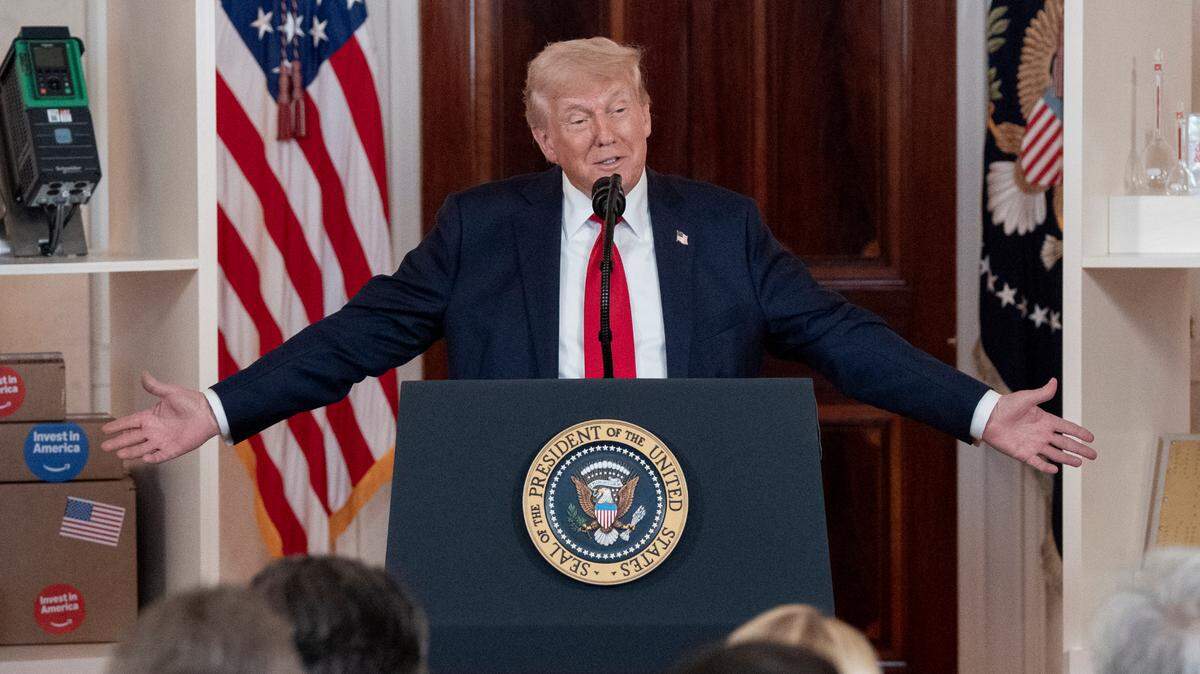
As 59 South Africans landed in the U.S. this week, with refugee status granted by the Trump administration, hundreds of thousands of Haitians, Venezuelans, Nicaraguans and Cubans remained at risk of deportation despite the political and humanitarian turmoil their countries face.
Who is worthy of humanitarian protection and asylum under America’s new immigration landscape? Under President Donald Trump, there is a double standard, based on his own assumptions and agenda.
He’s claimed, without evidence, that white South Africans face “genocide.” Meanwhile, Haitians have been massacred by violent gangs; Venezuelans face the prospect of returning to the oppressive, election-stealing regime of Nicolás Maduro; Cubans are still under a socialist regime that denies them the right to even protest and Nicaragua has fallen under anti-democratic rule.
The Trump administration is trying to end an immigration parole program and Temporary Protected Status for people from those countries, but the administration fast-tracked the arrival of South Africans of mostly Dutch descent, known as Afrikaners, under claims of racial discrimination. Trump suspended refugee entry into the U.S. for other groups of people on Inauguration Day.
To be clear, South African refugees should be welcomed into the U.S., a country built by immigrants of all backgrounds. This particular group had an opportunity and took it. No doubt they’ll flourish and contribute to this nation. The problem is the one-sided process.
On the same day those refugees arrived in Washington D.C., the Department of Homeland Security announced it was ending Temporary Protected Status for some 9,000 Afghans despite their country being controlled by the Taliban. Refugee rights groups have said many Afghans protected by the program have aided U.S. national security efforts. The group #AfghanEvac, a coalition that works to resettle America’s Afghan allies, wrote on social media Trump betrayed people who “risked their lives for America.”
As Venezuelans fight to keep TPS, the courts so far have sided with them. A federal judge wrote in a scathing ruling that DHS ended deportation protections based “on negative stereotypes” about those migrants. The Trump administration has asked the U.S. Supreme Court to allow the revocation of TPS while the case is ongoing.
And yet this recent group of South Africans skipped vetting by the U.N. High Commissioner for Refugees, which usually refers people fleeing persecution and violence to safer countries like the U.S. Before refugees are allowed into the U.S., they usually wait 24 months.
The president of #AfghanEvac told the Washington Post there are 1,200 Afghans — including more than 200 family members of U.S. service members — waiting at a U.S. facility in Qatar to be allowed on American soil.
Trump has said that Afrikaners face racial discrimination. A new South African land redistribution law that seeks to correct an imbalance in property ownership that’s a result of the apartheid allows the seizure of land by the state without compensation in some cases. No land seizures have been carried out under that law, according to the Washington Post.
Trump has said his decision to give them refugee status has nothing to do with race: “Farmers are being killed. They happen to be white. Whether they’re white or Black, makes no difference to me,” he said in a news conference this week.
Even if this has nothing to do with race, Trump is still handpicking a group of white South Africans largely based on claims of genocide and systemic persecution that he has not proven, while shutting down the process for others.
It’s a double standard that’s not surprising when you consider his past comments bemoaning the lack of immigrants from European countries and the quotes attributed to him, though he later denied them, about “shithole” countries such as Haiti.
That’s not to say these South Africans might not have a legitimate claim that they suffered harm, but it’s concerning that they didn’t go through the same process that applies to countless other migrants. They are getting “preferential treatment over many others who have been waiting in refugee camps or dangerous conditions for years,” the Episcopal Church said this week when it decided to end its refugee resettlement agreement with the federal government.
South Florida has welcomed immigrants from all backgrounds —Russians and Ukrainians, Cubans and Haitians. The least we can demand from our federal government is that the American programs designed to help those fleeing persecution and turmoil don’t let some bypass the rules without proven justification.
Click here to send the letter.
BEHIND THE STORY
MOREWhat's an editorial?
Editorials are opinion pieces that reflect the views of the Miami Herald Editorial Board, a group of opinion journalists that operates separately from the Miami Herald newsroom. Miami Herald Editorial Board members are: opinion editor Amy Driscoll and editorial writers Isadora Rangel and Mary Anna Mancuso. Read more by clicking the arrow in the upper right.
What's the difference between an op-ed and a column?
How does the Miami Herald Editorial Board decide what to write about?
The Editorial Board, made up of experienced opinion journalists, primarily addresses local and state issues that affect South Florida residents. Each board member has an area of focus, such as education, COVID or local government policy. Board members meet daily and bring up an array of topics for discussion. Once a topic is fully discussed, board members will further report the issue, interviewing stakeholders and others involved and affected, so that the board can present the most informed opinion possible. We strive to provide our community with thought leadership that advocates for policies and priorities that strengthen our communities. Our editorials promote social justice, fairness in economic, educational and social opportunities and an end to systemic racism and inequality. The Editorial Board is separate from the reporters and editors of the Miami Herald newsroom.
How can I contribute to the Miami Herald Opinion section?
The Editorial Board accepts op-ed submissions of 650-700 words from community members who want to argue a specific viewpoint or idea that is relevant to our area. You can email an op-ed submission to oped@miamiherald.com. We also accept 150-word letters to the editor from readers who want to offer their points of view on current issues. For more information on how to submit a letter, go here.