
Florida may not be ready for an above-average hurricane season. Here’s why | Opinion
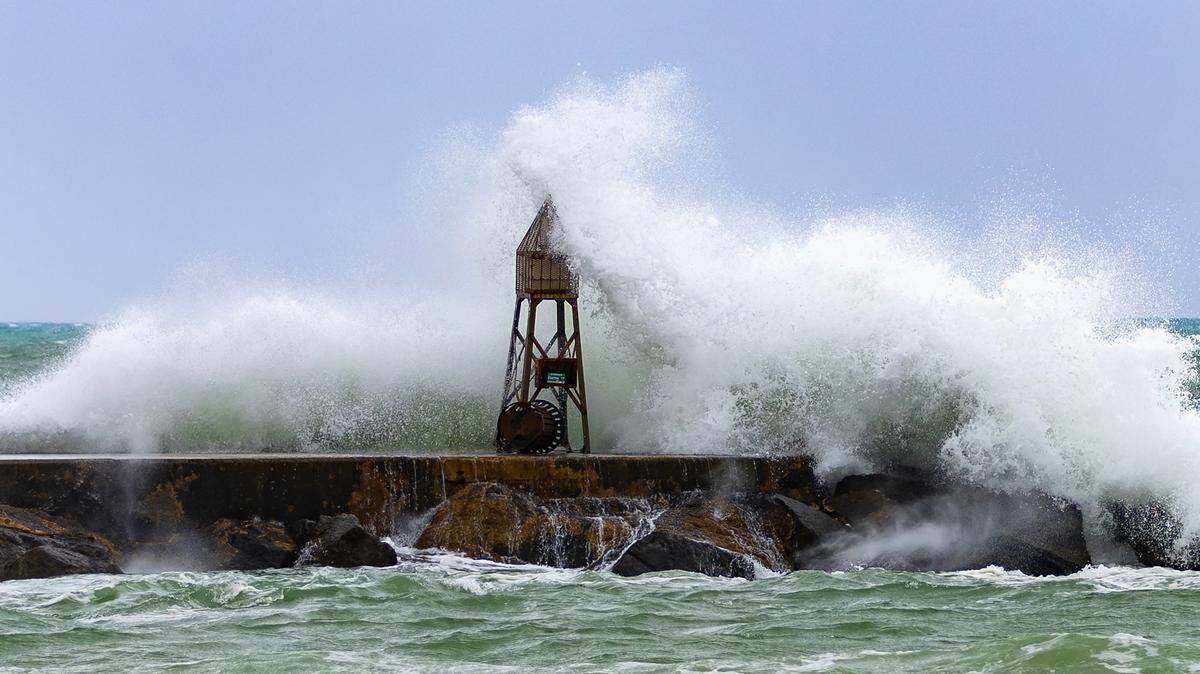
Florida is weeks away from the official start of hurricane season on June 1, and it’s at risk of not being prepared when a major hurricane hits.
Key agencies such as the National Oceanic and Atmospheric Administration (NOAA), the National Weather Service (NWS) and Federal Emergency Management Agency (FEMA) have experienced budget and staff cuts. These agencies are responsible for hurricane forecasting, preparedness and helping Floridians in the aftermath.
As reported by the Miami Herald, the NWS, which provides Floridians warnings about extreme weather such as flash floods, extreme heat and impending hurricanes, is currently understaffed across Florida. In Miami, the NWS office appears to have six vacancies — including five meteorologists and one technician — compared to September last year.
In an open letter to the American public, five former heads of the NWS wrote that 300 employees left the agency and 250 were fired or took a buyout offered by the Trump administration in early February. That accounts for 10% of NWS staffing, they wrote.
The reality is deeply unsettling, especially as forecasters are calling for an above average hurricane season this year with 17 named storms and nine hurricanes.
“Our worst nightmare is that weather forecast offices will be so understaffed that there will be needless loss of life. We know that’s a nightmare shared by those on the forecasting front lines — and by the people who depend on their efforts,“ the five former heads wrote.
Florida should be preparing for hurricane season with a fully staffed NWS and plans for emergency response in the event of a devastating hurricane. Instead, the federal government is making serious cuts. FEMA, the agency responsible for federal disaster response, has reduced training for state and local emergency managers on how to handle the aftermath of a hurricane and a third of its full-time staff has been either fired or incentivized to quit since January.
According to the Miami Herald, the impact of staffing cuts has led to infrequent weather balloon launches, weakening storm monitoring capabilities and the end of 24/7 weather monitoring. Forecasting delays can cost lives, especially in Florida, where hurricanes can develop rapidly and intensify overnight.
These aren’t just inconvenient missteps. Minutes matter in hurricane-prone Florida. Delays in forecasting or issuing warnings is the difference between having time to evacuate and being trapped in the middle of a storm.
In 2024, Florida experienced hurricanes Helene and Milton within the span of a couple of weeks and experienced multi-billion dollar damage not just in the Sunshine State, but also in Georgia and North Carolina.
And now the state will enter a hurricane season less equipped than in previous years.
The shift in federal priorities and the proposed 27% budget cuts to NOAA by the Trump administration isn’t just reckless, it’s dangerous.
Meanwhile, Gov. Ron DeSantis has supported defunding FEMA, saying, “I think if President Trump wants to block grant money to us and get FEMA out of it entirely, we would do even better, because a lot of what we do is in spite of the FEMA bureaucracy, not because of the FEMA bureaucracy.”
FEMA has been criticized over the years for its slow and unequal response to disasters, and no federal agency is above the need for streamlining. But drastic budget and staff cuts should deeply concern every Floridian because every resident will be impacted in some way.
This is a matter of public safety, not a partisan issue.
The cuts to federal storm preparedness and response efforts will be felt across the state, impacting key industries that drive the economy such as agriculture, real estate and tourism.
Florida is already feeling the impact of climate change. And budget cuts to agencies and its resources designed to help mitigate the effects is short-sighted at best, catastrophic at worst.
Counties and cities will be forced to step up to deal with the next hurricane and deploy already limited resources.
Corners should not be cut when it comes to federal disaster response, especially during hurricane season.
Click here to send the letter.
BEHIND THE STORY
MOREWhat's an editorial?
Editorials are opinion pieces that reflect the views of the Miami Herald Editorial Board, a group of opinion journalists that operates separately from the Miami Herald newsroom. Miami Herald Editorial Board members are: opinion editor Amy Driscoll and editorial writers Isadora Rangel and Mary Anna Mancuso. Read more by clicking the arrow in the upper right.
What's the difference between an op-ed and a column?
How does the Miami Herald Editorial Board decide what to write about?
The Editorial Board, made up of experienced opinion journalists, primarily addresses local and state issues that affect South Florida residents. Each board member has an area of focus, such as education, COVID or local government policy. Board members meet daily and bring up an array of topics for discussion. Once a topic is fully discussed, board members will further report the issue, interviewing stakeholders and others involved and affected, so that the board can present the most informed opinion possible. We strive to provide our community with thought leadership that advocates for policies and priorities that strengthen our communities. Our editorials promote social justice, fairness in economic, educational and social opportunities and an end to systemic racism and inequality. The Editorial Board is separate from the reporters and editors of the Miami Herald newsroom.
How can I contribute to the Miami Herald Opinion section?
The Editorial Board accepts op-ed submissions of 650-700 words from community members who want to argue a specific viewpoint or idea that is relevant to our area. You can email an op-ed submission to oped@miamiherald.com. We also accept 150-word letters to the editor from readers who want to offer their points of view on current issues. For more information on how to submit a letter, go here.