
What’s happening is not OK: Two immigrants with Miami success stories speak out | Opinion
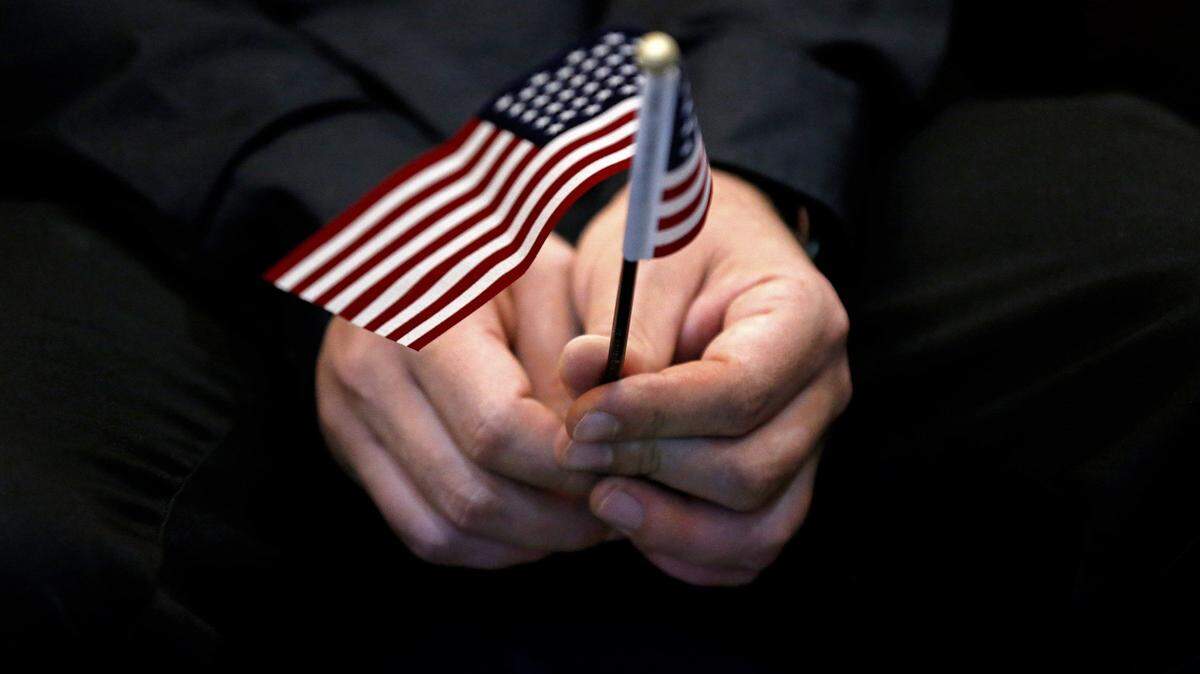
In Miami, a place built by immigrants, the nationwide immigration crackdown is personal. These are not faceless, anonymous people being targeted. These are our neighbors, our friends, our co-workers, our relatives.
And while criminals who are here illegally should not be allowed to stay, President Trump’s deportation efforts have gone far, far beyond that.
The efforts to revoke Temporary Protected Status and humanitarian parole — granted by our government for good reasons and championed by many South Florida political leaders for years — are unfair and wrong. The lack of due process during deportations should scare all of us. If the government can ignore the legal process when it wants, where will that stop? And then there’s the unnecessary cruelty — ripping a Cuban woman away from her still-nursing, 1-year-old child and U.S. citizen husband in Tampa, for example.
What’s happening is not OK. And two immigrants with incredible Miami success stories are saying just that, forcefully and at potential personal cost to themselves. They are speaking up to defend immigrants and to remind us of something that has fallen out of fashion: compassion.
Miami healthcare billionaire Mike Fernandez was once an undocumented migrant. So was Alberto Carvalho, former superintendent of Miami-Dade’s public schools and now superintendent of the Los Angeles public schools. Both have publicly taken stances recently in an attempt to right the wrongs they see unfolding in front of them. Their actions are admirable, though they see them as simply doing the right thing.
Open letter
Fernandez, a Cuban American and political donor to both sides of the aisle, wrote a scathing open letter published by the Herald last month to Cuban-American Republican leaders from Miami, excoriating them for failing to stand up for immigrants against the Trump administration. Fernandez, a Republican-turned-independent, had harsh words for U.S. Reps. Mario Diaz-Balart, Carlos Giménez and Maria Elvira Salazar and Secretary of State Marco Rubio, Cuban Americans he’s known for years. He took out full-page ads in the New York Times and The Wall Street Journal to denounce what he called their “complicity and cowardice.”
“I’ve never turned my back on a friend, but I cannot... ignore those that are turning their back on us when ‘us’ are the less fortunate. And I think that we need to speak up,” he told the Editorial Board.
He is “in shock,” he said, at having to write such a letter.
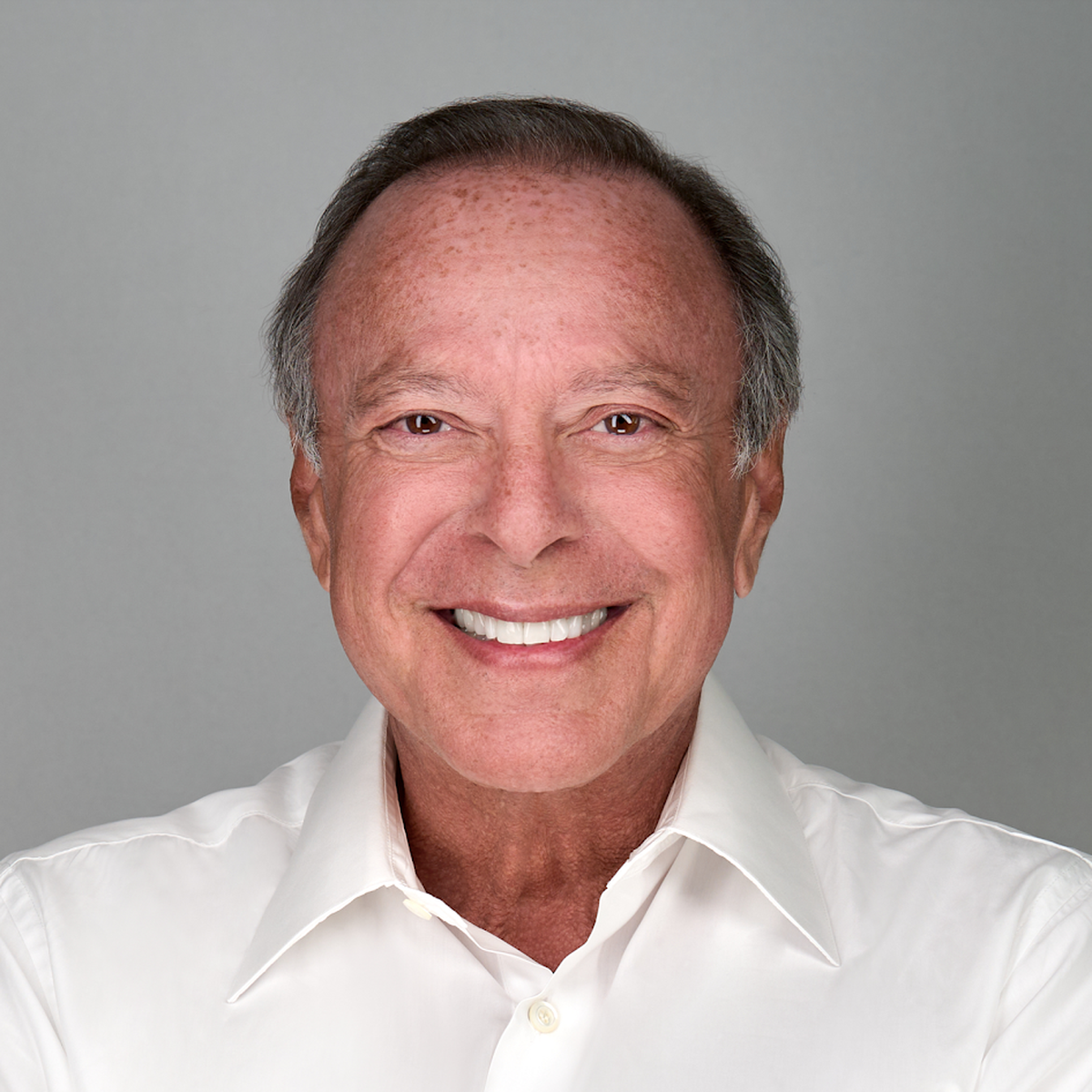
Fernandez’s family left Cuba in 1964, after Fidel Castro came to power, and went to Mexico first, for six months, living there illegally, he said. His father grew a mustache to try to fit in and the children felt pressure not to go outside during the day. His family eventually made their way to New York after receiving U.S. visas.
“I know what it’s like to hide for six months... I know what immigrants go through, and that is why I am so opinionated on this issue,” he said.
Undocumented past
Cavalho’s road was different, but there are parallels. He came to the this country from Portugal via New York, overstayed his tourist visa and eventually found work as a restaurant busboy until a lucky accident — a chance encounter with the late Republican U.S Rep. E. Clay Shaw — secured him the help he needed to apply for citizenship.
Carvalho landed on the national stage in April when he publicly condemned the actions of federal agents who arrived at two Los Angeles elementary schools to conduct what they said were welfare checks on undocumented students. He said in the New York Times that he was “mystified” as to how an elementary school child could pose a national security threat.
Both men told the Editorial Board that they felt compelled to speak up. They are right to do so. But why haven’t others, especially those in similarly powerful positions?
As Carvalho said, “I feel I don’t, as an immigrant — once an unaccompanied minor in this country... as a poor kid, once homeless — I feel that I don’t have a choice. I’d be the biggest hypocrite, as I’ve told loudly many people, if I did not live up to who I am, not ever forgetting my journey.”

Opposing Trump’s cruelty
We should listen to him, and to Fernandez, who has done so much to build this community as a philanthropist and as a business person, a founder or majority shareholder of more than 20 healthcare-related companies. In recent months, he has spoken up for Dreamers, children brought to this country illegally by their parents. And now he is speaking out against the “posture of cruelty” towards immigrants he sees coming from the Trump White House, and telling the Florida delegation to do something about it.
“Our country is in a terrible position, and our community needs to be one of the first ones to speak up — by its citizens, if the politicians don’t embrace it,” Fernandez said. He told the Board that he has a list of 18 people with whom he is speaking about his efforts and that he is willing to spend to back up his words — not a small comment coming from a billionaire. He said he plans to give money to a group called Keep Them Honest, which has erected billboards along Miami expressways.
Immigration reform
Carvalho said the country needs to actually confront the need to reform its immigration system — for example, by setting up a pathway to citizenship for Dreamers and others who haven’t committed crimes, pay taxes and know no other country. As he pointed out, former President Ronald Reagan signed a far-reaching immigration law. He also thinks the U.S. needs to provide a solution for children who were born here but whose parent may be undocumented and could be deported, forcing a “Sophie’s Choice” for the parent.
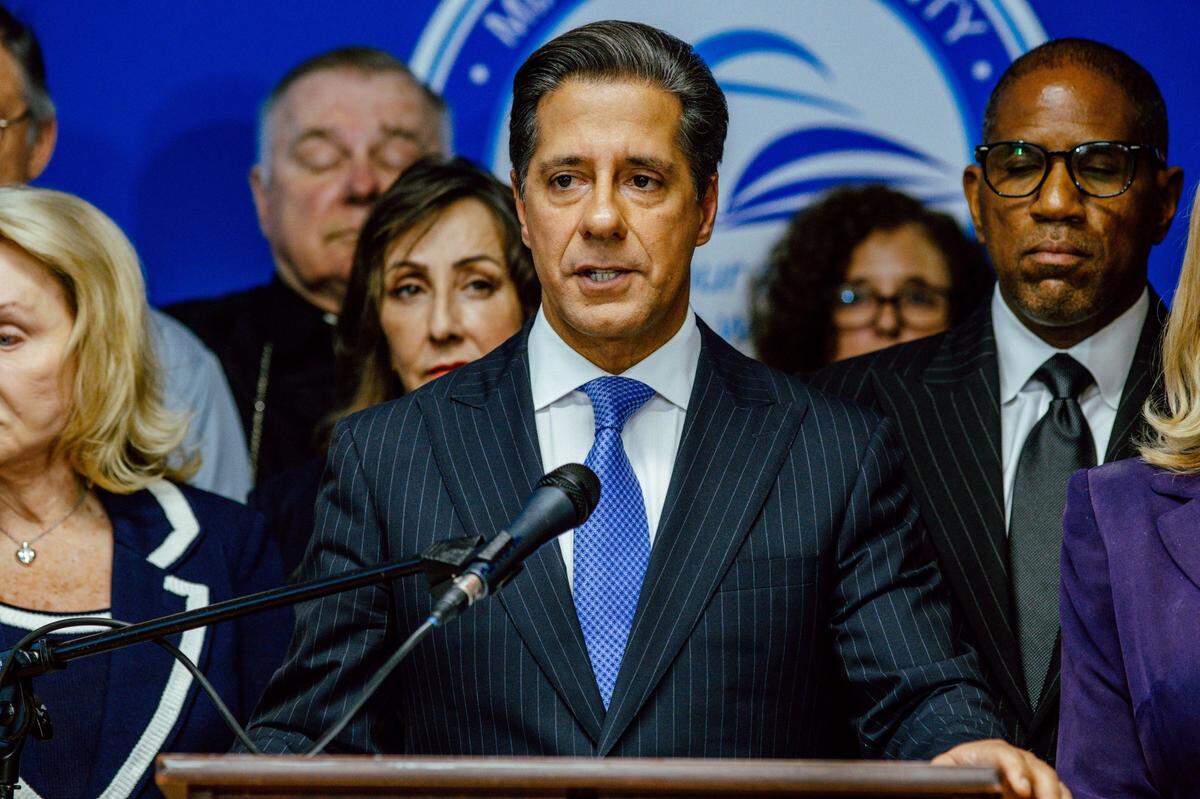
And, he asked, what of the America we all know, the one that offers asylum to those who fear persecution in places like Haiti or Cuba? What of the America that opened its arms to “... your huddled masses yearning to breathe free”?
Some of our lawmakers have been taking action. Salazar, along with Democratic Reps. Debbie Wasserman Schultz from Weston and Darren Soto, from Orlando, this week introduced the Venezuela TPS Act of 2025 to extend the program for 18 more months with an option for renewal. That’s something.
But at a time when immigration is splitting our community and when immigrants themselves have been demonized, it will take more than one act, helping one group of immigrants, to balance the scales of justice, in Miami and the country. We need sustained action, and we need the voices of our citizens to speak up.
Click here to send the letter.
BEHIND THE STORY
MOREWhat's an editorial?
Editorials are opinion pieces that reflect the views of the Miami Herald Editorial Board, a group of opinion journalists that operates separately from the Miami Herald newsroom. Miami Herald Editorial Board members are: opinion editor Amy Driscoll and editorial writers Isadora Rangel and Mary Anna Mancuso. Read more by clicking the arrow in the upper right.
What's the difference between an op-ed and a column?
How does the Miami Herald Editorial Board decide what to write about?
The Editorial Board, made up of experienced opinion journalists, primarily addresses local and state issues that affect South Florida residents. Each board member has an area of focus, such as education, COVID or local government policy. Board members meet daily and bring up an array of topics for discussion. Once a topic is fully discussed, board members will further report the issue, interviewing stakeholders and others involved and affected, so that the board can present the most informed opinion possible. We strive to provide our community with thought leadership that advocates for policies and priorities that strengthen our communities. Our editorials promote social justice, fairness in economic, educational and social opportunities and an end to systemic racism and inequality. The Editorial Board is separate from the reporters and editors of the Miami Herald newsroom.
How can I contribute to the Miami Herald Opinion section?
The Editorial Board accepts op-ed submissions of 650-700 words from community members who want to argue a specific viewpoint or idea that is relevant to our area. You can email an op-ed submission to oped@miamiherald.com. We also accept 150-word letters to the editor from readers who want to offer their points of view on current issues. For more information on how to submit a letter, go here.
This story was originally published May 9, 2025 at 1:42 PM.