
These 4 proposals failed during legislative session, and Florida is better for it | Opinion
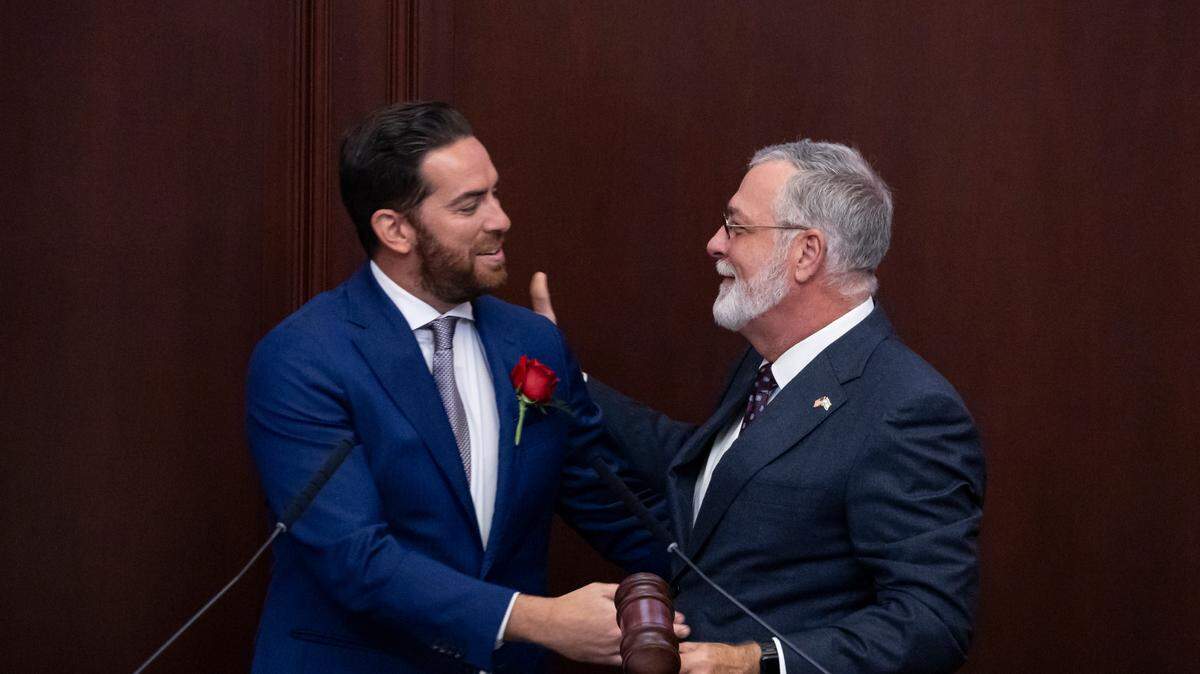
Florida’s 2025 legislative session isn’t over yet — lawmakers announced an extension to pass a state budget — but they have run out of time to pass most bills, meaning many pieces of legislation died as of Friday, the last day of the regular 60-day session.
The Legislature approved 230 bills this year, according to the Tampa Bay Times. But many proposed laws also failed to garner enough support to clear the House and Senate or became bogged down by political horse-trading. That was to Floridians’ detriment in some cases, such as a bill to bring back transparency to state university presidential searches.
In other cases, Floridians are better off that the following bills and proposals died:
Parkland law repeal
This was the third year the Florida House tried to repeal a 2018 post-Parkland-shooting law that raised the age to buy rifles and other long guns from 18 to 21. The House passed House Bill 759 — which would have returned the purchasing age to 18 — with a 78-34 vote, but a powerful Republican senator, Kathleen Passidomo of Naples, blocked the legislation from being heard in her committee.
Parkland school shooter Nikolas Cruz, who killed 17 people, legally purchased an AR-15-style rifle from a licensed dealer when he was 18.
After the April campus shooting at Florida State University, undoing gun-control measures would have made lawmakers look tone deaf. While some conservative say the law prevents people aged 18 to 20 from exercising their Second Amendment rights, federal courts have upheld Florida’s age minimum.
Asking prospective gun buyers to wait until the same age they can drink alcohol is not an extreme measure.
Parkland law repeal (Part 2)
Gov. Ron DeSantis wanted lawmakers to repeal another Parkland-era law that allows law enforcement to ask a judge for permission to confiscate weapons from people deemed a danger to themselves or others. DeSantis said the “red flag” law could infringe on gun owners’ rights, but it remains one of the resources that police can use to try to stop people from committing violence. Luckily, his calls for the repeal did not go anywhere during session, along with the idea of allowing the open carry of firearms in Florida.
The shooting deaths of a woman, her father and a neighbor in Margate in February highlights the importance of this law when used properly. Based on the history of alleged abuse by the woman’s estranged husband, who is the suspected shooter, Broward County Sheriff’s deputies could have petitioned to seize his weapons but, unfortunately, they failed to do their due diligence.
Yet cases like this explain why the red flag law exists, and why Pinellas County Sheriff Bob Gualtieri, a Republican, has said law enforcement officers have “unquestionably averted violence” thanks to the law.
Child labor
With Florida cracking down on undocumented migrants, DeSantis earlier this year defended legislation to relax child labor laws as a solution to replace “dirt cheap” workers in the country illegally. That’s despite the fact that, last year, Florida had already loosened child labor regulations.
This year’s proposal, crafted with help from the governor’s office, would have allowed 16- and 17-year-olds to work more than eight hours per day or more than 30 hours a week when school is in session, during school hours and without a 30-minute meal break. The legislation also would have loosened some work restriction for minors aged 14 and 15.
Current Florida law allows these teenagers to work up to 30 hours a week during school — or more if their parent or a school superintendent allows — and from 6:30 a.m. to 11 p.m. on a school day. These are sensible restrictions that allow young people to contribute to their household income without encroaching too much on their education.
Hope Florida bill
House lawmakers believe the Hope Florida Foundation was used to divert $10 million in state Medicaid settlement money into a political committee to support DeSantis’ political agenda. Four former federal prosecutors told the Herald last week there’s enough evidence for the U.S. Department of Justice to launch an investigation into what happened with that money.
With so many questions surrounding Hope Florida — the program backed by First Lady Casey DeSantis to get people off welfare — it’s obvious that this legislative session was not the time to pass a bill to codify the program into state law.
Click here to send the letter.
BEHIND THE STORY
MOREWhat's an editorial?
Editorials are opinion pieces that reflect the views of the Miami Herald Editorial Board, a group of opinion journalists that operates separately from the Miami Herald newsroom. Miami Herald Editorial Board members are: opinion editor Amy Driscoll and editorial writers Isadora Rangel and Mary Anna Mancuso. Read more by clicking the arrow in the upper right.
What's the difference between an op-ed and a column?
How does the Miami Herald Editorial Board decide what to write about?
The Editorial Board, made up of experienced opinion journalists, primarily addresses local and state issues that affect South Florida residents. Each board member has an area of focus, such as education, COVID or local government policy. Board members meet daily and bring up an array of topics for discussion. Once a topic is fully discussed, board members will further report the issue, interviewing stakeholders and others involved and affected, so that the board can present the most informed opinion possible. We strive to provide our community with thought leadership that advocates for policies and priorities that strengthen our communities. Our editorials promote social justice, fairness in economic, educational and social opportunities and an end to systemic racism and inequality. The Editorial Board is separate from the reporters and editors of the Miami Herald newsroom.
How can I contribute to the Miami Herald Opinion section?
The Editorial Board accepts op-ed submissions of 650-700 words from community members who want to argue a specific viewpoint or idea that is relevant to our area. You can email an op-ed submission to oped@miamiherald.com. We also accept 150-word letters to the editor from readers who want to offer their points of view on current issues. For more information on how to submit a letter, go here.