
Virginia Giuffre’s crusade against Jeffrey Epstein changed how we listen to survivors | Opinion
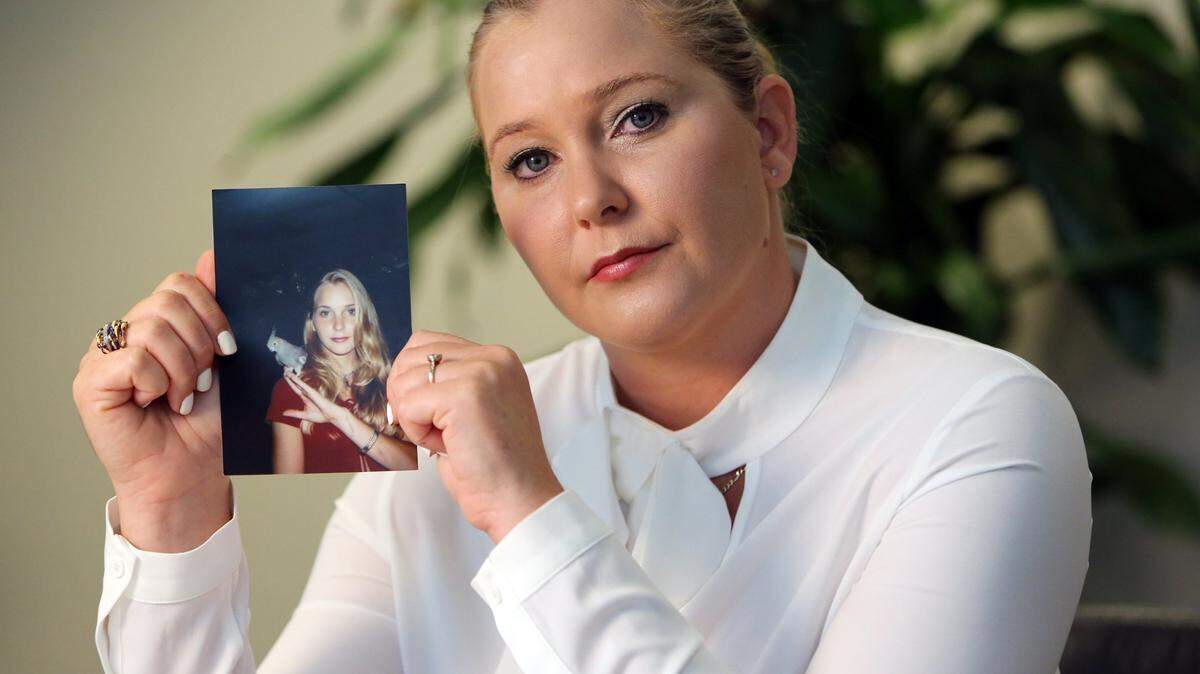
Virginia Giuffre, one of Jeffrey Epstein’s most outspoken victims, died by suicide last Friday.
In 2015, Giuffre was the first Epstein victim to go public about the sexual abuse and forced participation in a sex-trafficking ring allegedly led by Epstein and his girlfriend Ghislaine Maxwell. Three years later, Giuffre was featured in “Perversion of Justice,” a Miami Herald series that revealed how Epstein’s lawyers collaborated with the Justice Department to minimize the severity of his crimes, resulting in an 18-month jail sentence.
Giuffre was instrumental in opening the case against Epstein and Maxwell. And last week, she paid the ultimate price.
Giuffre will be remembered not only as Epstein’s victim but also as someone who opened the door for other sexual abuse victims to come forward. She showed courage in speaking out and that victims of sexual abuse do not have to remain silent.
As a result of Giuffre and others coming forward, both Epstein and Maxwell were arrested. Epstein would later be found dead in his cell while awaiting trial. His death was ruled a suicide. Maxwell was convicted in 2021 for sex trafficking and other charges. She is serving a 20-year sentence in a Florida prison.
Along with the other Epstein victims, Giuffre fought to expose everyone involved in Epstein’s sex trafficking ring. Thanks to her efforts, Giuffre changed the way society and the criminal justice system treats victims of sex crimes, specifically children.
Giuffre was committed to helping other survivors through the creation of her nonprofit, Speak Out, Act, Reclaim (SOAR), which empowers survivors to reclaim their stories and bring an end to sex trafficking.
Her legacy should be the trail she blazed to hold predators accountable and victims are believed. Giuffre made the world an easier place for victims of abuse to speak up because she spoke first.
The courage exhibited by Giuffre extends beyond the Epstein case. In 2021, she sued Prince Andrew, Duke of York, for sexually assaulting her after Epstein and Maxwell forced her to have sex with him.
Giuffre’s case against Prince Andrew, which resulted in a settlement, showed she was willing to take on institutions and powerful people to ensure justice. Shortly before the lawsuit, Andrew was stripped of his military titles, royal patronages, and the use of the title His Royal Highness.
Regardless of status or wealth no one is above the law nor should they be shielded from accountability.
Since coming forward, there have been attempts to discredit her, question her motives, attack her character and minimize her trauma. For survivors of sexual abuse, these tactics are familiar. Nevertheless, Giuffre didn’t back down and recognized the importance of her voice.
The tragic ending to Giuffre’s life serves as a sobering reminder that despite her strength and resilience, she faced struggles no one else knew about.
Giuffre should be remembered for the work she did to bring justice for her and the other Epstein victims. Her courageous legacy to hold people accountable will be remembered for years to come.
If you are considering self-harm, you can call or text the 988 Suicide and Crisis Lifeline at 988.

Click here to send the letter.
BEHIND THE STORY
MOREWhat's an editorial?
Editorials are opinion pieces that reflect the views of the Miami Herald Editorial Board, a group of opinion journalists that operates separately from the Miami Herald newsroom. Miami Herald Editorial Board members are: opinion editor Amy Driscoll and editorial writers Isadora Rangel and Mary Anna Mancuso. Read more by clicking the arrow in the upper right.
What's the difference between an op-ed and a column?
How does the Miami Herald Editorial Board decide what to write about?
The Editorial Board, made up of experienced opinion journalists, primarily addresses local and state issues that affect South Florida residents. Each board member has an area of focus, such as education, COVID or local government policy. Board members meet daily and bring up an array of topics for discussion. Once a topic is fully discussed, board members will further report the issue, interviewing stakeholders and others involved and affected, so that the board can present the most informed opinion possible. We strive to provide our community with thought leadership that advocates for policies and priorities that strengthen our communities. Our editorials promote social justice, fairness in economic, educational and social opportunities and an end to systemic racism and inequality. The Editorial Board is separate from the reporters and editors of the Miami Herald newsroom.
How can I contribute to the Miami Herald Opinion section?
The Editorial Board accepts op-ed submissions of 650-700 words from community members who want to argue a specific viewpoint or idea that is relevant to our area. You can email an op-ed submission to oped@miamiherald.com. We also accept 150-word letters to the editor from readers who want to offer their points of view on current issues. For more information on how to submit a letter, go here.