
For now, common sense speaks louder in debate to undo post-Parkland gun laws | Opinion
We’re not quite ready yet to say good riddance to an effort to undo historic, bipartisan gun-control regulation Florida passed after the 2018 Parkland school shooting. But it seems that a bill that aimed to lower the minimum age for purchasing rifles and other long guns from 21 to 18 is dead this year. That’s good news, though anything could change before the legislative session wraps up in May.
On Monday, Sen. Kathleen Passidomo, R-Naples, said she will not allow the bill to be heard in her powerful Senate Rules Committee, meaning the legislation likely will stall and die. The Florida House has already passed House Bill 759 with a 78-34 vote. This might be the third year in a row that the House has tried — only to be blocked by the Senate — to repeal the post-Parkland law that increased the minimum age for long-gun purchases to 21.
Passidomo’s timing couldn’t be more opportune.
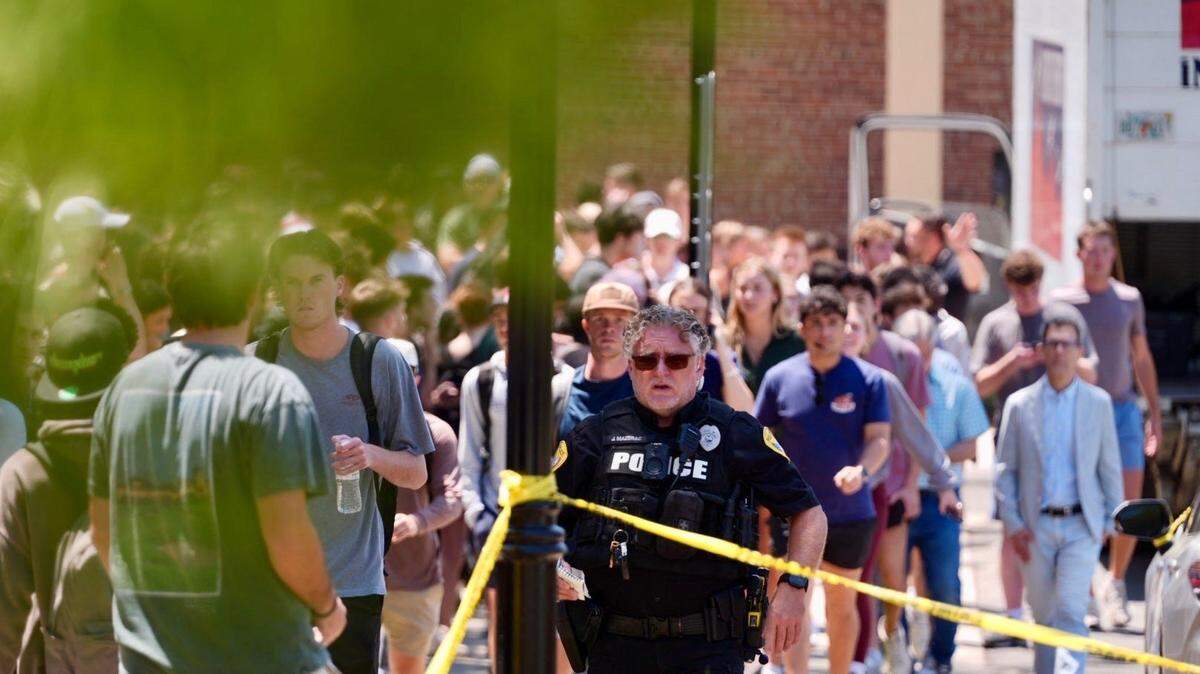
Last Thursday, a suspected gunman killed two people at the Florida State University campus, not too far from where lawmakers are meeting in Tallahassee. Passidomo said the decision to block the bill was made before the shooting, CBS News reported.
The optics of lawmakers undoing gun restrictions in the wake of another campus shooting would have been terrible. Some former students from Parkland’s Marjory Stoneman Douglas High were on the FSU campus as the shooting took place last week.
Luckily, this does not appear to be a case of the Florida Senate trying to avoid bad press.
Passidomo has been steadfast in her support for the gun-control law she helped pass in the aftermath of the 2018 school massacre, which left people 17 dead. When she was the Senate president in 2023, she told reporters she would not support repealing that law and letting people aged 18 to 20 purchase a rifle. Federal law already sets a minimum age of 21 for handgun purchases.
To be clear, it appears the state law would not have prevented FSU shooting suspect Phoenix Ikner, 20, from having access to a weapon. Ikner, a student at the university, is the stepson of a Leon County Sheriff’s deputy. He used his stepmom’s personal handgun, which she previously used for work, Tallahassee Police Chief Lawrence Revell said at a news conference last week, the Tallahassee Democrat reported. A shotgun was found at the scene but it is unclear if it was used.
Arguments that a particular gun law would not have stopped a particular shooting miss the point because each of these horrific incidents is different. Parkland shooter Nikolas Cruz, for example, used an AR-15-style rifle he bought from a Broward County dealer when he was 18. He’s the reason lawmakers and then-Gov. Rick Scott, a Republican, raised the purchase age minimum. The law makes exceptions for people aged 18 to 20 who serve in the military, corrections and law enforcement.
The challenge with mass and campus shootings is that they involve multiple factors, from mental health issues to, yes, easy access to weapons. It’s impossible to know how many incidents the post-Parkland law might have prevented, but we should be making it harder, not easier, for unstable young people to access guns. Asking them to wait until the same age they can drink alcohol is not an extreme measure.
Instead of repealing sensible gun-control measures, lawmakers should be passing new, reasonable restrictions on the types of weapons and the amount of ammunition people are allowed to buy. They should be looking at closing loopholes that, for example, allow people to buy guns without a background check through private transactions.
While the stalling of House Bill 759 is a good sign, lawmakers are still pushing to provide incentives for people to buy guns. The Senate has advanced another bill that would exempt the purchase of firearms and ammunition from sales taxes for about three and a half months in 2025. Lawmakers in 2023 passed a law that allows people to carry a concealed weapon without a permit.
This is the history of Florida and gun control. A little progress always comes with big setbacks.
Click here to send the letter.
BEHIND THE STORY
MOREWhat's an editorial?
Editorials are opinion pieces that reflect the views of the Miami Herald Editorial Board, a group of opinion journalists that operates separately from the Miami Herald newsroom. Miami Herald Editorial Board members are: opinion editor Amy Driscoll and editorial writers Isadora Rangel and Mary Anna Mancuso. Read more by clicking the arrow in the upper right.
What's the difference between an op-ed and a column?
How does the Miami Herald Editorial Board decide what to write about?
The Editorial Board, made up of experienced opinion journalists, primarily addresses local and state issues that affect South Florida residents. Each board member has an area of focus, such as education, COVID or local government policy. Board members meet daily and bring up an array of topics for discussion. Once a topic is fully discussed, board members will further report the issue, interviewing stakeholders and others involved and affected, so that the board can present the most informed opinion possible. We strive to provide our community with thought leadership that advocates for policies and priorities that strengthen our communities. Our editorials promote social justice, fairness in economic, educational and social opportunities and an end to systemic racism and inequality. The Editorial Board is separate from the reporters and editors of the Miami Herald newsroom.
How can I contribute to the Miami Herald Opinion section?
The Editorial Board accepts op-ed submissions of 650-700 words from community members who want to argue a specific viewpoint or idea that is relevant to our area. You can email an op-ed submission to oped@miamiherald.com. We also accept 150-word letters to the editor from readers who want to offer their points of view on current issues. For more information on how to submit a letter, go here.