
Lawmakers should wait a year to consider long-lasting tax cuts in Florida | Opinion
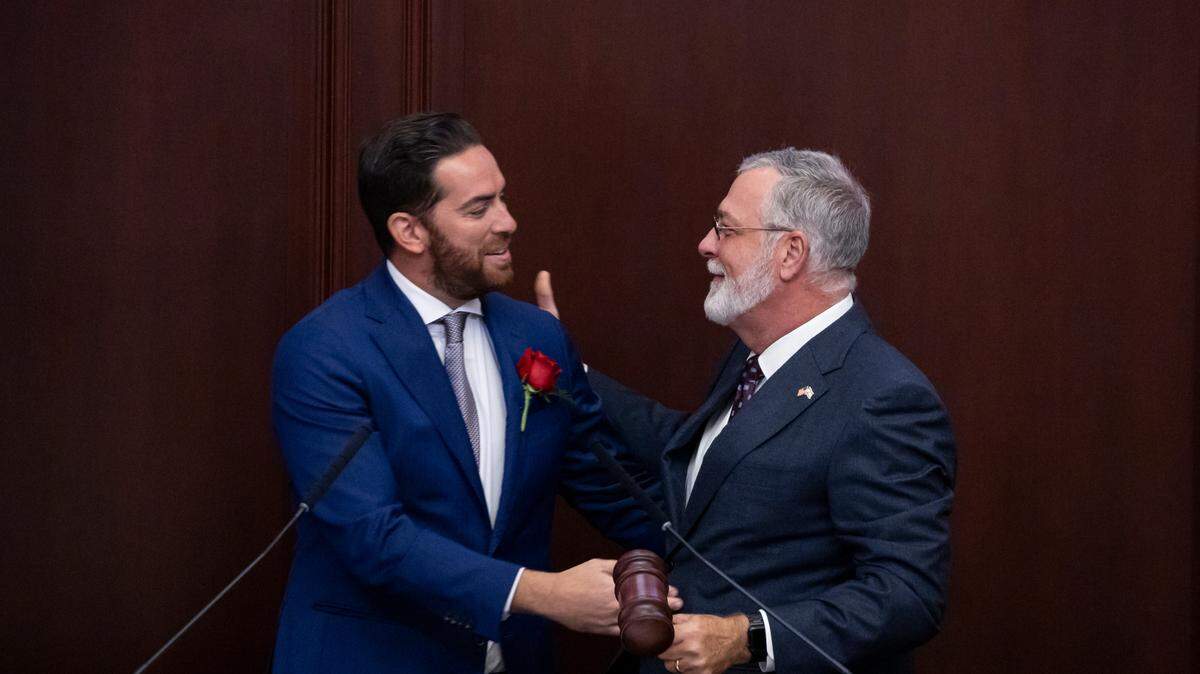
“Wait til next year” isn’t only a handy sports cliché. As much as it pains this fiscal conservative to say so, “wait til next year” is also timely advice for Florida’s elected leaders as they ponder conflicting ideas about tax relief.
One idea, Gov. Ron DeSantis’ proposal to begin edging the state away from property taxes, should be a non-starter. After all, those taxes are a vital source of revenue for school districts and local governments.
Moreover, replacing the lost revenue may create pressure to raise the state’s sales tax. That’s at odds with House Speaker Daniel Perez’s idea, which is incorporated into the House’s version of the state budget. Perez, who is from Miami, wants to permanently reduce the state’s sales tax to 5.25% from the current 6%.
Senate President Ben Albritton, citing worrisome projections of future state revenues, has questioned the House’s move at a time when inflation and DOGE’s shrinking of the federal government may leave state and local governments with more to do and less federal aid. Bottom line: Albritton is right.
Granted, reducing the sales tax could provide welcome relief for Floridians as they deal with lingering Biden-era inflation, which is already worsening because of the Trump tariffs. Nonetheless, this isn’t a good time to enact long-lasting changes to Florida’s tax structure, nor is the hectic home stretch of the Legislature’s annual 60-day session a good place to do so.
What’s needed instead is a venue that’s better suited for careful deliberations, a venue where ideas for long-term solutions can be properly evaluated with input from experts and the public.
Fortunately, Florida has an “app” for that. It’s the Taxation and Budget Reform Commission (TBRC). It was created by a 1988 constitutional amendment when the state’s finances needed a thorough review after adoption — and swift repeal — of a sales tax on services reminded lawmakers and then-Gov. Bob Martinez that what seems like a prudent tax policy may be political poison.
The TBRC now meets every 20 years.. The next one is due to be formed in 2027, so its appointed members will be chosen by the officials elected in 2026 — the “next year” in “wait til next year.” By that November we’ll presumably have a new governor-elect, plus a new House speaker and Senate president.
I say “presumably” with regard to the governorship because around Tallahassee there’s intriguing speculation about DeSantis’ future plans. Being out of office doesn’t seem likely to suit a politician who seemingly enjoys wielding power -- and exacting vengeance on his perceived foes with a zeal worthy of Vladimir Putin, albeit without the poisonings.
The speculation centers on the notion that DeSantis hopes to see his wife, Casey, become Florida’s first female governor, then immediately resign to let her running mate, one Lt. Gov-elect Ron DeSantis, take over. If this scheme worked, it could even show President Trump a circuitous route to a third term. Footnote: Melania would not be eligible to participate.
As for the TBRC, the state constitution provides for 29 members. The governor appoints 11 while the House speaker and Senate president each appoint nine. None of the gubernatorial appointees may be a member of the Legislature, while the appointees of the House speaker and Senate president may include only two legislators, one each from the majority and minority parties respectively.
This bipartisan group, after holding public hearings around the state, may place constitutional amendments directly on the ballot. In 2008 the commission proposed seven amendments. Three passed overwhelmingly. One lost. And three of its proposed amendments, including one that would’ve ended property taxes for schools, were removed from the ballot by the then-liberal Florida Supreme Court.
Given how Gov. DeSantis’ youngish appointees have given Florida’s high court a solid conservative majority that’s likely to endure for decades, such second-guessing of the TBRC’s work is not likely to recur in 2028, meaning that the voters will get the final say. That’s one more good reason for the start of tax reform to wait til next year.
Robert F. Sanchez, of Tallahassee, is a former member of the Miami Herald Editorial Board.
This story was originally published April 10, 2025 at 6:00 AM.