
Condo owners take another hit with ‘blacklist.’ What’s Florida’s future for condos? | Opinion
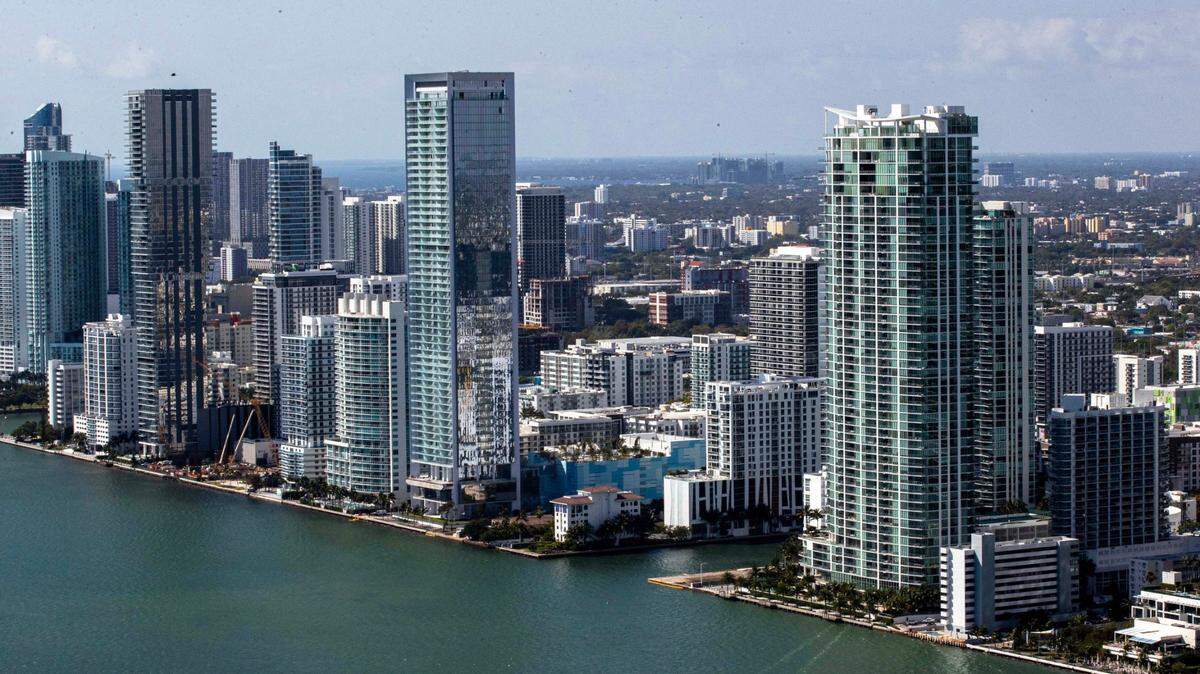
The news that a rising number of Miami-Dade County condos are included on a “blacklist” of properties that may be blocked from securing conventional mortgage financing and potentially face a tough time obtaining maintenance loans is sure to set off alarm bells in our community. And it should.
Condos, as a report by the Miami Herald’s Andres Viglucci this week noted, have long been considered a more affordable option for South Florida living. With the recent imposition of important life-safety regulations by the state Legislature in the wake of the Surfside condominium collapse in 2021 that killed 98 people, that afforrdability has been increasingly called into question.
Many condo owners, especially those in older buildings, have been faced with significant bills as condo associations have had to meet requirements for inspections and full reserves for building repairs. Big assessments plus escalating insurance costs — something the whole state is burdened with — have made condo living more expensive, sometimes prohibitively so.
Fannie Mae list
And now there’s a little-known list of condo buildings — a “blacklist” — that may be increasing the financial hurdles facing condo owners. The list — maintained by Fannie Mae, the federally chartered mortgage finance corporation — is a confidential database of condo buildings that Fannie Mae won’t back for loans, typically because of maintenance, insurance or financial issues.
Banks and mortgage companies usually follow the standards of Fannie Mae, as well as Freddie Mac, a second mortgage agency. Together they back about 70% of residential loans in the country, the Herald reported. So they matter, a lot.
The number of condos on the list has more than doubled in the past two years, the Herald reported, after data was released by a law firm that has been tracking it. That coincides with the imposition of the post-Surfside rules from Tallahassee.
Fannie Mae has acknowledged the list, the Herald reported, but hasn’t followed through on a promise to make the list publicly available to those who are affected by it by the end of last year. The agency also has disputed the “blacklist” characterization.
Because condo buildings often don’t know they are on the list, condo owners might not find out until a buyer’s financing is rejected. Cash deals, which are common in South Florida, wouldn’t be affected.
How big of an impact does the growing list have on South Florida? As of March, there were 696 condos in Miami-Dade, Broward and Palm Beach counties on the confidential database. So in some ways, that could be considered negligible impact — after all, there are an estimated 13,000 condo associations in South Florida.
But the 696 number accounts for nearly half the 1,438 condos in the whole state that Fannie Mae lists as ineligible for its backing. That’s according to the data from the Boston-based Allcock Marcus law firm, which obtained it from a confidential source. And that is a worrisome trend.
As Jake Marcus, a Miami attorney, told the Herald, all of this adds up to “the perfect financial storm for condominiums in Florida. There is just a lot happening in Florida with all the new requirements.”
Affordable housing
All of this could offer an opening for developers to buy up whole buildings. (That happens less often than you may think because it only takes a small number of holdouts in a building to effectively halt a developer takeover.)
But back to affordability. When developers do buy up condo buildings in South Florida, it usually means knocking the old building down and building a taller building with units that are a lot more expensive. Translation: less affordable housing for the whole community.
South Florida has been suffering under an increasing affordability crisis in housing. Rents, though they have come down a little, are among the highest in the nation. Housing purchase costs have reached unseen heights. Cutting into the current affordable housing supply is the last thing we need.
Condo owners are already being squeezed by new — but needed — regulations out of Tallahassee and the additional burden of insurance costs that have skyrocketed. If some condo owners also run into problems selling their units because they are unknowingly included on a list blocking mortgages at their buildings, what is the future for condos in South Florida? It’s a question local and state leaders need to be asking.
Click here to send the letter.
BEHIND THE STORY
MOREWhat's an editorial?
Editorials are opinion pieces that reflect the views of the Miami Herald Editorial Board, a group of opinion journalists that operates separately from the Miami Herald newsroom. Miami Herald Editorial Board members are: opinion editor Amy Driscoll and editorial writers Isadora Rangel and Mary Anna Mancuso. Read more by clicking the arrow in the upper right.
What's the difference between an op-ed and a column?
How does the Miami Herald Editorial Board decide what to write about?
The Editorial Board, made up of experienced opinion journalists, primarily addresses local and state issues that affect South Florida residents. Each board member has an area of focus, such as education, COVID or local government policy. Board members meet daily and bring up an array of topics for discussion. Once a topic is fully discussed, board members will further report the issue, interviewing stakeholders and others involved and affected, so that the board can present the most informed opinion possible. We strive to provide our community with thought leadership that advocates for policies and priorities that strengthen our communities. Our editorials promote social justice, fairness in economic, educational and social opportunities and an end to systemic racism and inequality. The Editorial Board is separate from the reporters and editors of the Miami Herald newsroom.
How can I contribute to the Miami Herald Opinion section?
The Editorial Board accepts op-ed submissions of 650-700 words from community members who want to argue a specific viewpoint or idea that is relevant to our area. You can email an op-ed submission to oped@miamiherald.com. We also accept 150-word letters to the editor from readers who want to offer their points of view on current issues. For more information on how to submit a letter, go here.