
NOAA faces cuts and Miami-Dade streamlined its resiliency office. Will it cost us later? | Opinion
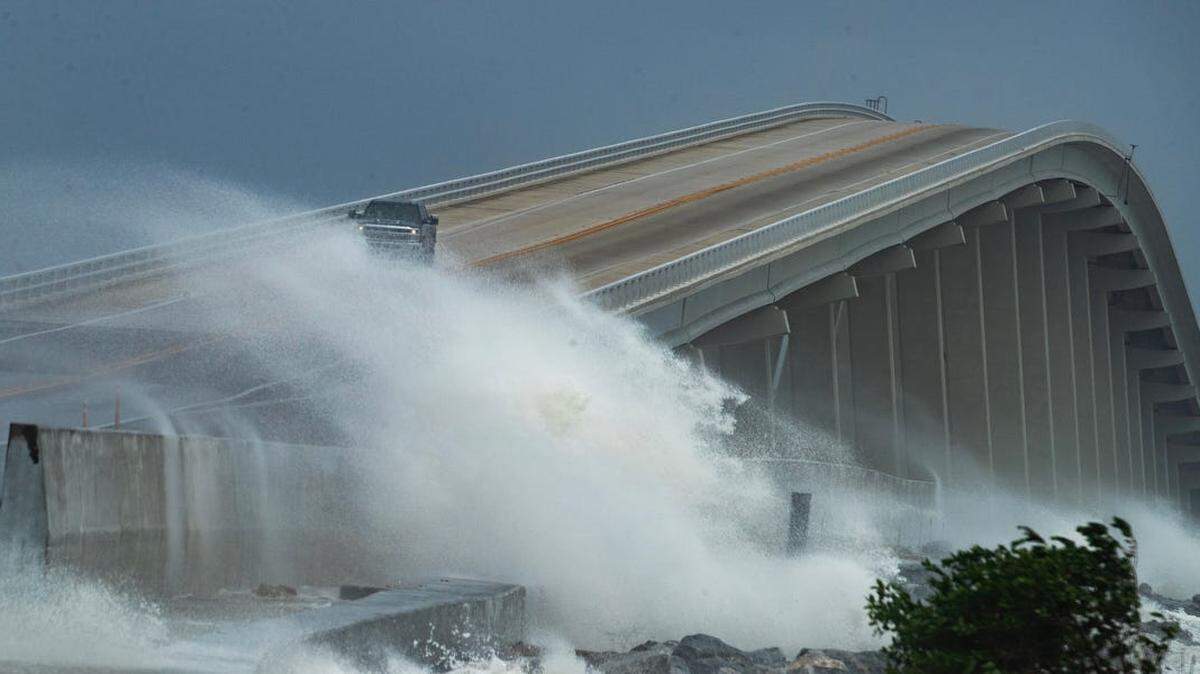
Florida is less than three months away from hurricane season, but this year, Floridians could have more to worry about than usual — not because of the forecast, but because of job cuts to critical weather services. The National Oceanic and Atmospheric Administration (NOAA) and the National Weather Service — agencies Floridians rely upon for hurricane watches and storm warnings, among other forecasts — have been hit by DOGE layoffs.
Elon Musk and his Department of Government Efficiency (DOGE) are expected to cut an estimated 20% of NOAA’s workforce, including some of the country’s top meteorologists. These cuts are an attempt to cut spending and reduce the size of the federal government.
While the impacts of the cuts probably won’t be immediately felt, they could affect Floridians, as well as others across the nation, who must be able to rely on weather information to make serious decisions about when to stay and when to get out of harm’s way when severe weather is coming.
That information has become especially important as storms have become wetter and stronger. Scientists say climate change is making storms more intense — and yet Florida Gov. Ron DeSantis signed legislation last year that will delete most mentions of climate change from state statutes. It’s obvious that tackling the climate crisis is no longer a top priority in Washington or Tallahassee.
The cuts to NOAA come on the heels of news that Miami-Dade Mayor Daniella Levine Cava, who has championed climate initiatives, is consolidating three positions — chief Biscayne Bay officer, chief heat officer and chief resilience officer — into one role and reducing the department that handles climate change by about two-thirds.
In a memo released last week, Levine Cava stated that her focus on government efficiency was in line with her “WISE 305” strategy to cut red tape and trim the size of her administration. She said in the memo that the county “is taking a fresh approach to our resilience efforts in order to break down siloes across county portfolios and accelerate progress on critical solutions...”
However, it is hard to ignore the consolidation.
Levine Cava was criticized in last year’s election — including by this Editorial Board — for growing the size of county government staff during her first term. While government efficiency is needed and the county faces a tougher budget year with the end of federal COVID dollars and a possibly cooling real estate market, will consolidating climate employees impact Miami-Dade’s future in a place where heat, rain, sea rise and hurricanes all play a major role?
Loren Parra, who now has the consolidated climate position, told the Miami Herald Editorial Board the “core priorities of the administration” remain the same: “Our responsibility to the protection of people and property, to prosperity, to our natural environment, which we know is so important, both for our community but also our economy, haven’t changed at all.”
Levine Cava’s deputy chief of staff, Rachel Johnson, added that the restructuring will allow experts to better serve the community by being embedded directly within various county departments instead of being under three different chiefs.
As one of the last remaining Democrats elected countywide, Levine Cava is clearly reading the political landscape and adjusting her office so she can continue to tackle one of her top priorities, climate change, at a time when the science of climate change is under siege.
But as climate change is being put on the back burner nationally, Miami-Dade must continue to lead on this issue.
Government efficiency is a great thing. Who doesn’t want their government to be efficient? But these cost-cutting measures, both national and local, cannot be done indiscriminately. If there’s government fat to cut, fine. Just don’t harm our ability to handle hurricanes in the short term and the effects of climate change in the long term.
Click here to send the letter.
BEHIND THE STORY
MOREWhat's an editorial?
Editorials are opinion pieces that reflect the views of the Miami Herald Editorial Board, a group of opinion journalists that operates separately from the Miami Herald newsroom. Miami Herald Editorial Board members are: opinion editor Amy Driscoll and editorial writers Isadora Rangel and Mary Anna Mancuso. Read more by clicking the arrow in the upper right.
What's the difference between an op-ed and a column?
How does the Miami Herald Editorial Board decide what to write about?
The Editorial Board, made up of experienced opinion journalists, primarily addresses local and state issues that affect South Florida residents. Each board member has an area of focus, such as education, COVID or local government policy. Board members meet daily and bring up an array of topics for discussion. Once a topic is fully discussed, board members will further report the issue, interviewing stakeholders and others involved and affected, so that the board can present the most informed opinion possible. We strive to provide our community with thought leadership that advocates for policies and priorities that strengthen our communities. Our editorials promote social justice, fairness in economic, educational and social opportunities and an end to systemic racism and inequality. The Editorial Board is separate from the reporters and editors of the Miami Herald newsroom.
How can I contribute to the Miami Herald Opinion section?
The Editorial Board accepts op-ed submissions of 650-700 words from community members who want to argue a specific viewpoint or idea that is relevant to our area. You can email an op-ed submission to oped@miamiherald.com. We also accept 150-word letters to the editor from readers who want to offer their points of view on current issues. For more information on how to submit a letter, go here.
This story was originally published March 19, 2025 at 6:00 AM.