
Trump’s theatrics aside, Miami-Dade voted for him to lower inflation, not make it worse | Opinion
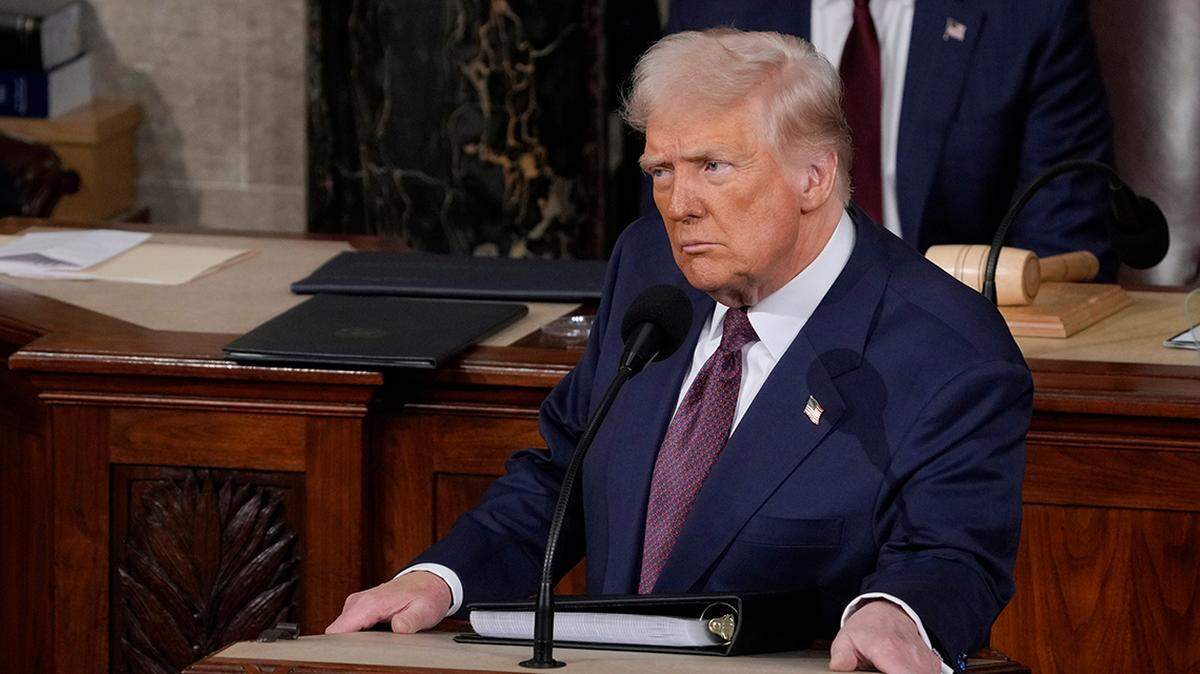
President Donald Trump’s speech to a joint session of Congress on Tuesday was full of the shock and awe that has defined the first weeks of his second term in the White House. He rallied against “radical left lunatics” and federal funding for male circumcisions in Mozambique. He boasted about pausing funding for environmental and climate projects and ending so-called “transgender ideology” at schools.
Some Americans are certainly applauding Trump for slashing and burning the federal government structure or fighting against transgender women in sports. But voters for the most part elected Trump because of his promise to lower prices, which have hit South Florida especially hard.
The region had the nation’s highest inflation rate for months last year thanks to home prices. It’s no surprise that Miami-Dade voted for Trump by an 11-point margin — the first time a Republican presidential candidate carried the county since 1988.
Voters usually grant new presidents a grace period to fulfill their promises, but there’s a limit on how much longer they will be distracted by Trump’s countless executive orders, spats with foreign leaders and his strategy of flooding the news cycle with something new every few days. Eventually, Trump will confirm or debunk the belief carried by many voters that the chaos he brings to the White House is worth it as long as he can lower their cost of living and steer the economy in the right direction.
So far, however, Trump is headed in the opposite direction.
The tariffs he announced Tuesday on imported products from Mexico, China and Canada are expected to drive up prices, and fears of a trade war and potential recession impacted the financial market. Later in the week, after the auto industry warned car prices would rise by more than $10,000, Trump agreed to a one-month reprieve on import tariffs for automakers. He also signed orders giving relief for Canadian and Mexican goods.
With so much changing on a daily basis, it remains to be seen which of his tariffs will remain in place in the long term and to what effect.
Trump promises that the tariffs will bring back manufacturing to the U.S., though a study by economists at the Massachusetts Institute of Technology, Harvard and others found the tariffs he imposed in his first term failed to restore jobs in America. And consumers in places like South Florida may be more worried about their ability to balance their checkbook than waiting to see if Trump is right this time.
Tariffs on food and gas will likely hit people right where it hurts the most: their ability to afford their basic needs. Grocery prices nationwide are already up 28% since 2020 and between December and January they rose another .5%, the steepest monthly increase in two years, the Washington Post reported. These figures alone help explain why Democrats lost in 2024. Trump, remember, vowed on the campaign trail to “bring prices down, starting on Day One.”
Now, if Trump reimposes tariffs on Mexico, retailers expect strawberries, bananas, avocados and other produce to become more expensive — 20% more in the case of avocados, the Post reported. Target and Best Buy have said higher taxes on imports will mean higher prices for their consumers, and appliances and apparel are also expected to become more expensive.
Americans are already feeling worse about their finances than they were immediately after Trump won last year. A University of Michigan survey found consumer sentiment down by 10% from January to February because of fears about tariffs. After years of inflation, Americans have sticker-shock fatigue.
Trump blames former President Joe Biden for anything that goes wrong in the economy. On Tuesday, he said Biden let the price of eggs to get out of control, though those prices increased under both presidents because the bird flu has killed 136 million birds since 2022, ABC News reported.
Blaming the predecessor is a common game presidents play, but it has a short shelf-life. Trump flipped Miami-Dade on the promise of bringing back the quality of life that higher prices have stolen from local residents — not to cause more pain.
Click here to send the letter.
BEHIND THE STORY
MOREWhat's an editorial?
Editorials are opinion pieces that reflect the views of the Miami Herald Editorial Board, a group of opinion journalists that operates separately from the Miami Herald newsroom. Miami Herald Editorial Board members are: opinion editor Amy Driscoll and editorial writers Isadora Rangel and Mary Anna Mancuso. Read more by clicking the arrow in the upper right.
What's the difference between an op-ed and a column?
How does the Miami Herald Editorial Board decide what to write about?
The Editorial Board, made up of experienced opinion journalists, primarily addresses local and state issues that affect South Florida residents. Each board member has an area of focus, such as education, COVID or local government policy. Board members meet daily and bring up an array of topics for discussion. Once a topic is fully discussed, board members will further report the issue, interviewing stakeholders and others involved and affected, so that the board can present the most informed opinion possible. We strive to provide our community with thought leadership that advocates for policies and priorities that strengthen our communities. Our editorials promote social justice, fairness in economic, educational and social opportunities and an end to systemic racism and inequality. The Editorial Board is separate from the reporters and editors of the Miami Herald newsroom.
How can I contribute to the Miami Herald Opinion section?
The Editorial Board accepts op-ed submissions of 650-700 words from community members who want to argue a specific viewpoint or idea that is relevant to our area. You can email an op-ed submission to oped@miamiherald.com. We also accept 150-word letters to the editor from readers who want to offer their points of view on current issues. For more information on how to submit a letter, go here.
This story was originally published March 6, 2025 at 5:00 AM.