
In hurricane-prone Florida, we need FEMA. After Trump cuts, we’ll find out how much | Opinion
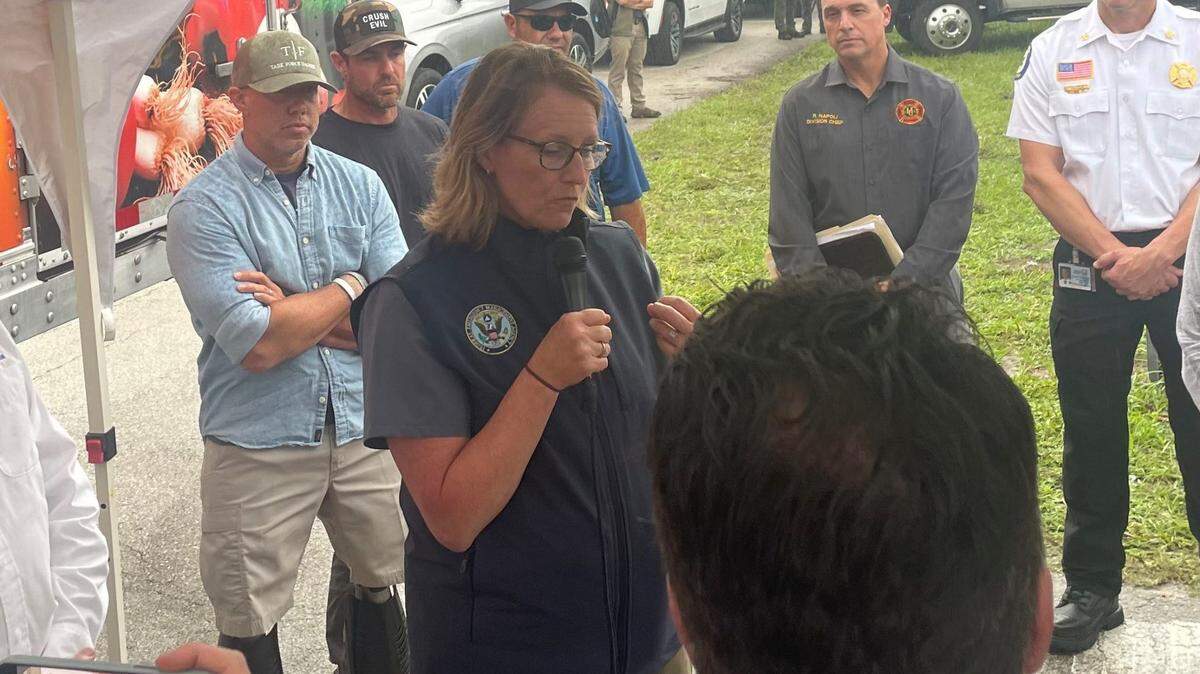
Firing hundreds of people at the Federal Emergency Management Agency may sound like a great idea to those who agree with President Donald Trump’s shock-and-awe plan to cut federal spending and shrink a bloated bureaucracy.
But guess who will get to test out the theory that those employees were unnecessary, like it or not? We will. Florida’s hurricane-prone shores will land us right on the front lines of the FEMA wars.
Last year in the state, we had back-to-back hurricanes hit the West Coast. Residents there are still recovering from the powerful strikes of hurricanes Helene and Milton that drove flooding inland and destroyed homes and businesses. The 2025 hurricane season is right around the corner. It runs June 1 to Nov. 30. Even if it’s half as bad as last year, Florida will be needing a lot of help from FEMA. But how much of FEMA will still be there?
Trump has talked about “getting rid of” FEMA and criticized its North Carolina response to Hurricane Helene. In January, he set up a FEMA review council, which is being overseen by Homeland Security Secretary Kristi Noem and Defense Secretary Pete Hegseth.
To a certain extent, everyone loves to hate FEMA. It’s an easy target — part of the faceless federal government. Critics have said for years that it is slow to respond, and that’s often true. The paperwork is beyond complicated. Workers are often pulled to multiple disasters, leading to short-staffing and customer service gripes.
And yet if you’re one of the people trying to recover from a disaster like those two hurricanes — which caused billions of dollars in damage — FEMA can be a literal lifesaver, doling out grants, removing sometimes-toxic debris, opening disaster recovery centers, providing hotel stays when you have no place to call home.
After Hurricane Milton, FEMA approved more than $252 million in assistance to more than 174,000 households and $631 million in public assistance for debris removal.
The agency has had some highly public issues. Last year, for example, a FEMA worker was fired, rightfully, for telling a team of workers in Florida not to respond to homes with a Trump sign. Politics should have no place in disaster relief.
One thing that seems to get lost in the confusion about post-disaster aid: FEMA is the first wave of help, while insurance is supposed to pick up the rest. (Good luck to us in Florida, where insurance keeps costing more and covering less.)
These cuts won’t just affect Florida, of course. Disasters can hit any portion of the country. Kentucky, for example, was recently hit by flooding rains, with more severe weather still to come.
Dramatically cutting the agency, especially in such a hasty way, isn’t going to help. It’ll do the opposite. With hundreds gone from the FEMA workforce, payments will no doubt become slower and customer service will worsen. And those were already sore points. The agency has been stretched too thin, with billion-dollar disasters like the hurricanes followed by the California fires. Slashing personnel will only make that issue more acute.
And there’s the question of which people are being cut. The purge started out only targeting probationary employees, but expanded to others. Now E&E News and other news outlets are reporting that the next wave of firings will go after staff members involved with climate change, equity or diversity. That’s not about efficiency — it’s about politics.
Climate expertise is essential for an agency that must prepare for and respond to severe weather events. And with scientists predicting more frequent and intense storms due to climate change, Florida needs FEMA now more than ever.
Click here to send the letter.
BEHIND THE STORY
MOREWhat's an editorial?
Editorials are opinion pieces that reflect the views of the Miami Herald Editorial Board, a group of opinion journalists that operates separately from the Miami Herald newsroom. Miami Herald Editorial Board members are: opinion editor Amy Driscoll and editorial writers Isadora Rangel and Mary Anna Mancuso. Read more by clicking the arrow in the upper right.
What's the difference between an op-ed and a column?
How does the Miami Herald Editorial Board decide what to write about?
The Editorial Board, made up of experienced opinion journalists, primarily addresses local and state issues that affect South Florida residents. Each board member has an area of focus, such as education, COVID or local government policy. Board members meet daily and bring up an array of topics for discussion. Once a topic is fully discussed, board members will further report the issue, interviewing stakeholders and others involved and affected, so that the board can present the most informed opinion possible. We strive to provide our community with thought leadership that advocates for policies and priorities that strengthen our communities. Our editorials promote social justice, fairness in economic, educational and social opportunities and an end to systemic racism and inequality. The Editorial Board is separate from the reporters and editors of the Miami Herald newsroom.
How can I contribute to the Miami Herald Opinion section?
The Editorial Board accepts op-ed submissions of 650-700 words from community members who want to argue a specific viewpoint or idea that is relevant to our area. You can email an op-ed submission to oped@miamiherald.com. We also accept 150-word letters to the editor from readers who want to offer their points of view on current issues. For more information on how to submit a letter, go here.
This story was originally published February 19, 2025 at 5:33 PM.