
County publicly talks about what travelers already know: MIA conditions are embarrassing | Opinion
Miami-Dade County commissioners on Wednesday aired out in a public meeting what residents and travelers have been saying — and posting on social media — for years: that the conditions at Miami International Airport are an embarrassment.
There are broken escalators and motorized walkways that don’t get fixed for months, forcing people to walk long distances while dragging suitcases. Skytrain, the elevated trains that transport passengers through the mile-long concourse D, was out of order for six months due to concrete cracks until it reopened last March. Bathrooms look old and not properly cleaned. And there’s the overall feeling that the main airport connecting the U.S. to Latin America and Caribbean doesn’t live up to Miami’s “world class” destination status.
Think of what a visitor to South Florida might think when they arrive at MIA for the first time and even basic amenities don’t work properly and the simplest modern features aren’t available. Shouldn’t every water fountain be quipped with water-bottle refilling stations that have become a staple elsewhere, reduce waste and save travelers from having to buy bottled water at exorbitant airport prices?
On Wednesday, commissioners grilled the company hired to clean and disinfect MIA’s lobbies, ticketing areas, hallways, stairwells, elevators, escalators, moving walkways and restrooms. The County Commission’s Airport Committee refused to award a new contract to C&W Services and voted to go with the company’s competitors. County Mayor Daniella Levine Cava’s administration had recommend continuing to use C&W Services. The final decision is up to the full board of commissioners.
The meeting offered a glimpse of what could be going wrong at the airport.
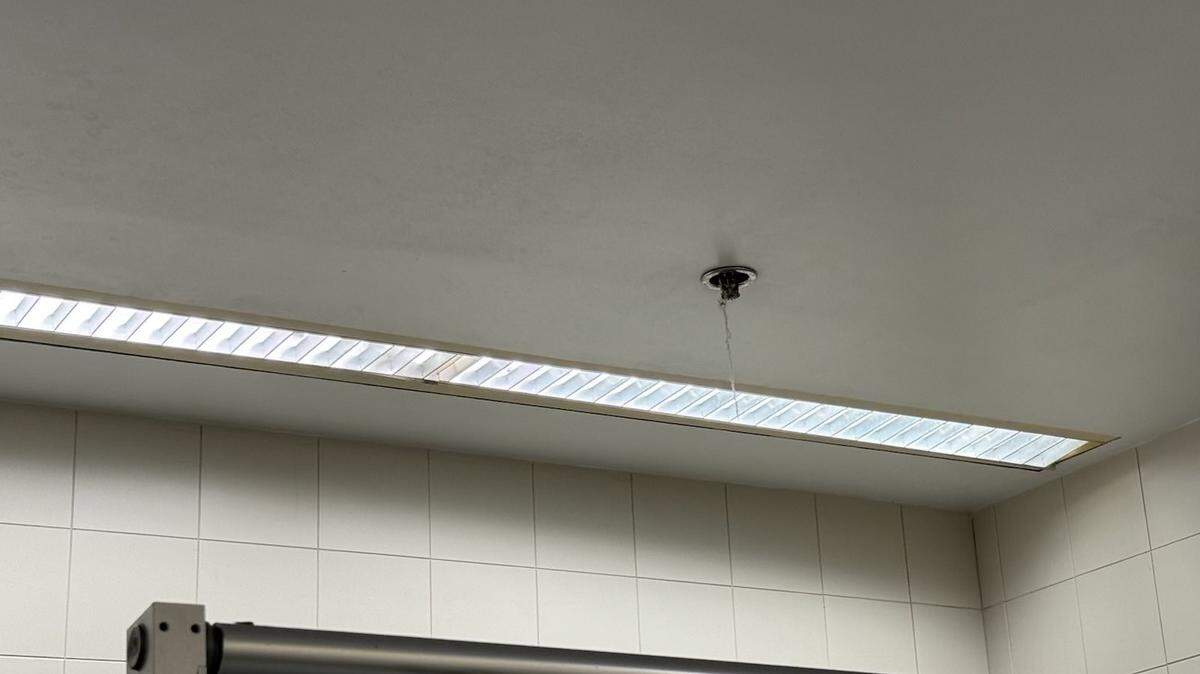
There was a lot of finger pointing. C&W executives blamed the airport’s refusal to spend more on janitorial staff in the face of record airport traffic and bureaucracy for stymieing simple upgrades, such as the replacement of broken paper towel dispensers in restrooms. Commissioners, in turn, knocked C&W for complaining about the terms of a contract they agreed to — and they came armed with photographic proof about MIA conditions. Commissioner Kevin Cabrera presented a photo of a six-inch strand of dust hanging from a sprinkler on a bathroom ceiling. Gross.
The issues at MIA are not a new problem, but they are a sore spot that Levine Cava has inherited and that will help shape her legacy.
Posts regularly pop up on social media showing MIA’s problems, such as a video in July depicting green liquid gushing from a ceiling (the airport said it was from a broken pipe in the air-conditioning system). Not only is that bad for MIA’s image, but it puts the airport on the radar of Republican state officials, who some locals fear are interested in taking over operations of Miami-Dade’s leading economic engine in a blow to Levine Cava, a Democrat.
Shortly after being elected in 2020, Levine Cava pushed out the previous airport director and, since then, has announced a series of measures to improve the facility. She created “Lightning Teams” last year to address quick repair jobs and passenger complaints. The commission also approved her request for $800 million in upgrades, including much-needed bathroom renovations and the replacement of aging escalators. She’s been front and center touting new MIA projects, such as a $9 billion capital improvement program over the next five to 15 years.
It’s clear the mayor and county commissioners understand that MIA isn’t projecting the kind of top-notch image we want for Miami-Dade, our critical tourism industry and their own personal political legacy. Let’s hope the recent level of scrutiny they have given the outdated airport helps transform it into a state-of-the-art facility that is the subject of envy and pride, not ridicule.

Click here to send the letter.
BEHIND THE STORY
MOREWhat's an editorial?
Editorials are opinion pieces that reflect the views of the Miami Herald Editorial Board, a group of opinion journalists that operates separately from the Miami Herald newsroom. Miami Herald Editorial Board members are: opinion editor Amy Driscoll and editorial writers Isadora Rangel and Mary Anna Mancuso. Read more by clicking the arrow in the upper right.
What's the difference between an op-ed and a column?
How does the Miami Herald Editorial Board decide what to write about?
The Editorial Board, made up of experienced opinion journalists, primarily addresses local and state issues that affect South Florida residents. Each board member has an area of focus, such as education, COVID or local government policy. Board members meet daily and bring up an array of topics for discussion. Once a topic is fully discussed, board members will further report the issue, interviewing stakeholders and others involved and affected, so that the board can present the most informed opinion possible. We strive to provide our community with thought leadership that advocates for policies and priorities that strengthen our communities. Our editorials promote social justice, fairness in economic, educational and social opportunities and an end to systemic racism and inequality. The Editorial Board is separate from the reporters and editors of the Miami Herald newsroom.
How can I contribute to the Miami Herald Opinion section?
The Editorial Board accepts op-ed submissions of 650-700 words from community members who want to argue a specific viewpoint or idea that is relevant to our area. You can email an op-ed submission to oped@miamiherald.com. We also accept 150-word letters to the editor from readers who want to offer their points of view on current issues. For more information on how to submit a letter, go here.