
Whose immigration legislation is Trumpier? Florida lawmakers winning battle with DeSantis | Opinion
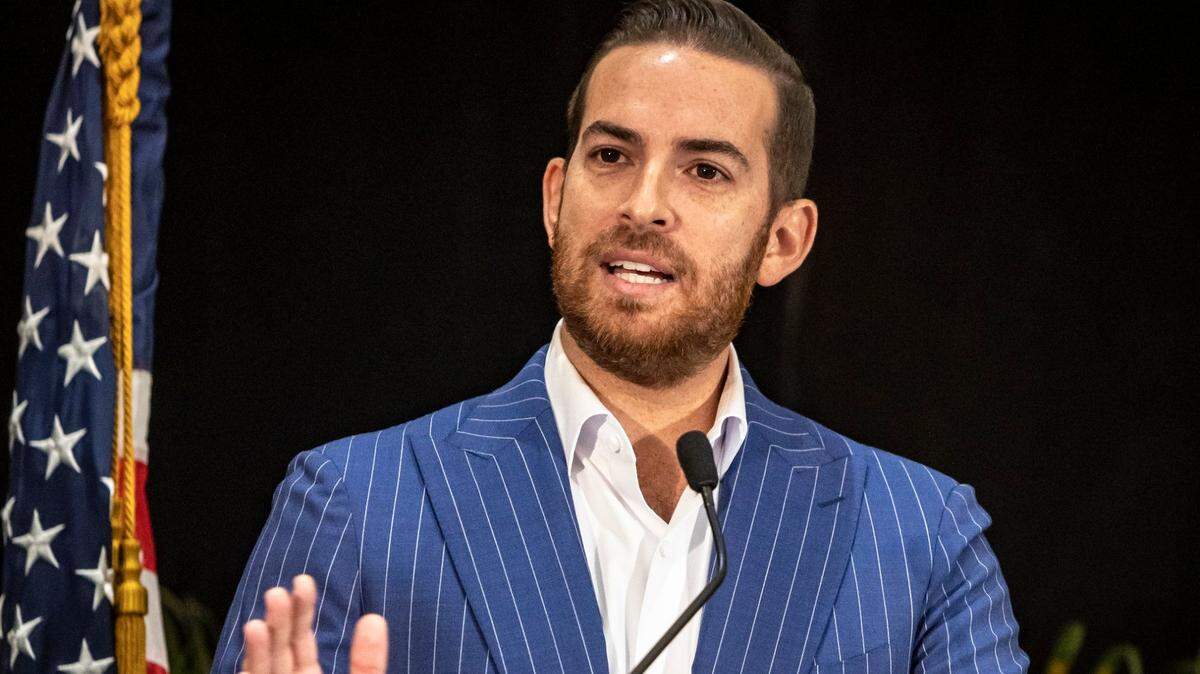
After the Florida Legislature publicly backhanded Gov. Ron DeSantis on Monday, rejecting his call for a special session on immigration following a remarkable two-week standoff, lawmakers called their own special session, also on immigration — and a new power struggle emerged.
Which legislation is the Trumpiest?
So far, the Republican Legislature is winning the battle — against a Republican governor with just two years left in office. Instead of lawmakers meeting to pass laws on DeSantis’ list — initially, that included the condo crisis, hurricane relief, changes to the citizen initiative process to amend the state constitution and immigration policies to uphold President Trump’s agenda — legislators showed up in Tallahassee to introduce their own bill: Tackling and Reforming Unlawful Migration Policy, or the “TRUMP” Act.
While they were at it, they took their defiance one step further, voting to override one of DeSantis’ budget vetoes from last year. (He had vetoed $57 million for legislative support services that both the House and Senate use.)
For DeSantis, a governor used to having a lock on the Legislature, it must have been an unthinkable turn of events. The last time time a Florida governor was overridden was then-Gov. Charlie Crist back in 2010.
Details of the new immigration bill are still emerging. It includes revoking in-state tuition for students who are in Florida illegally and creating an “immigration czar,” something DeSantis had asked for. But, in another move no doubt designed to get under DeSantis’ skin, it would take immigration enforcement from the governor and place it with Agriculture Commissioner Wilton Simpson.
Simpson, a former Senate president and potential candidate for governor in 2026, has had a difficult relationship with DeSantis, who has cut items from the budget that Simpson backed.
DeSantis quickly moved to undermine the new legislation, saying on X that putting Simpson in charge of immigration “puts the fox in charge of the hen house” and “ensures the enforcement never occurs” since Simpson represents the agricultural industry. Many farmworkers in Florida are undocumented immigrants, as much as 40% nationwide, according to federal estimates.
DeSantis also said the Legislature’s bill was a “bait-and-switch tactic trying to create the illusion of an illegal immigration crack down, when it does anything but.” He added that naming such a “weak” bill after Trump was an “insult.”
It’s been obvious for weeks that there was going to be a showdown in Tallahassee. House Speaker Daniel Perez, who is from Miami, and Senate President Ben Albritton — both Republicans — issued a joint statement saying that, although they strongly supported Trump’s agenda, it was “completely irresponsible” to rush to deal with complicated issues.
DeSantis, for his part, racheted up the tension by going on Fox TV and X to warn the Legislature not to defy him. He said “it would be very, very hazardous politically,” if legislators came to Tallahassee and then quickly adjourned.
DeSantis’ pressure campaign even extended to state agency officials during legislative committee meetings. As the Miami Herald reported, the Lottery secretary switched from talking about gaming security to in-state tuition for undocumented immigrants.
After all these years in lockstep, it’s hard to believe Florida is at this point, with the Legislature in revolt against DeSantis.
And DeSantis still has ways to fight back. He could still veto legislation or call lawmakers back to Tallahassee over and over.
But in some ways, this is the healthiest thing we’ve seen out of Tallahassee for a long time. Opposition is good for the process — it usually helps produce better laws by airing out problems ahead of time, sanding down the rough edges of legislation. However, this standoff with the governor doesn’t necessarily mean lawmakers want a more humane approach to dealing with illegal immigration. Their intent is still to help Trump carry out mass deportations at great cost to taxpayers.
In the end, even if lawmakers are mounting this extraordinary opposition simply because they just don’t want to pass anything that is DeSantis’ idea — and that’s probably part of this, in addition to wanting to find favor with Trump — the push and pull of the next two years will be the best thing for democracy.

Click here to send the letter.
BEHIND THE STORY
MOREWhat's an editorial?
Editorials are opinion pieces that reflect the views of the Miami Herald Editorial Board, a group of opinion journalists that operates separately from the Miami Herald newsroom. Miami Herald Editorial Board members are: opinion editor Amy Driscoll and editorial writers Isadora Rangel and Mary Anna Mancuso. Read more by clicking the arrow in the upper right.
What's the difference between an op-ed and a column?
How does the Miami Herald Editorial Board decide what to write about?
The Editorial Board, made up of experienced opinion journalists, primarily addresses local and state issues that affect South Florida residents. Each board member has an area of focus, such as education, COVID or local government policy. Board members meet daily and bring up an array of topics for discussion. Once a topic is fully discussed, board members will further report the issue, interviewing stakeholders and others involved and affected, so that the board can present the most informed opinion possible. We strive to provide our community with thought leadership that advocates for policies and priorities that strengthen our communities. Our editorials promote social justice, fairness in economic, educational and social opportunities and an end to systemic racism and inequality. The Editorial Board is separate from the reporters and editors of the Miami Herald newsroom.
How can I contribute to the Miami Herald Opinion section?
The Editorial Board accepts op-ed submissions of 650-700 words from community members who want to argue a specific viewpoint or idea that is relevant to our area. You can email an op-ed submission to oped@miamiherald.com. We also accept 150-word letters to the editor from readers who want to offer their points of view on current issues. For more information on how to submit a letter, go here.