
In Florida, Big Tech fought the law. In Trump’s White House, it got front row seats | Opinion
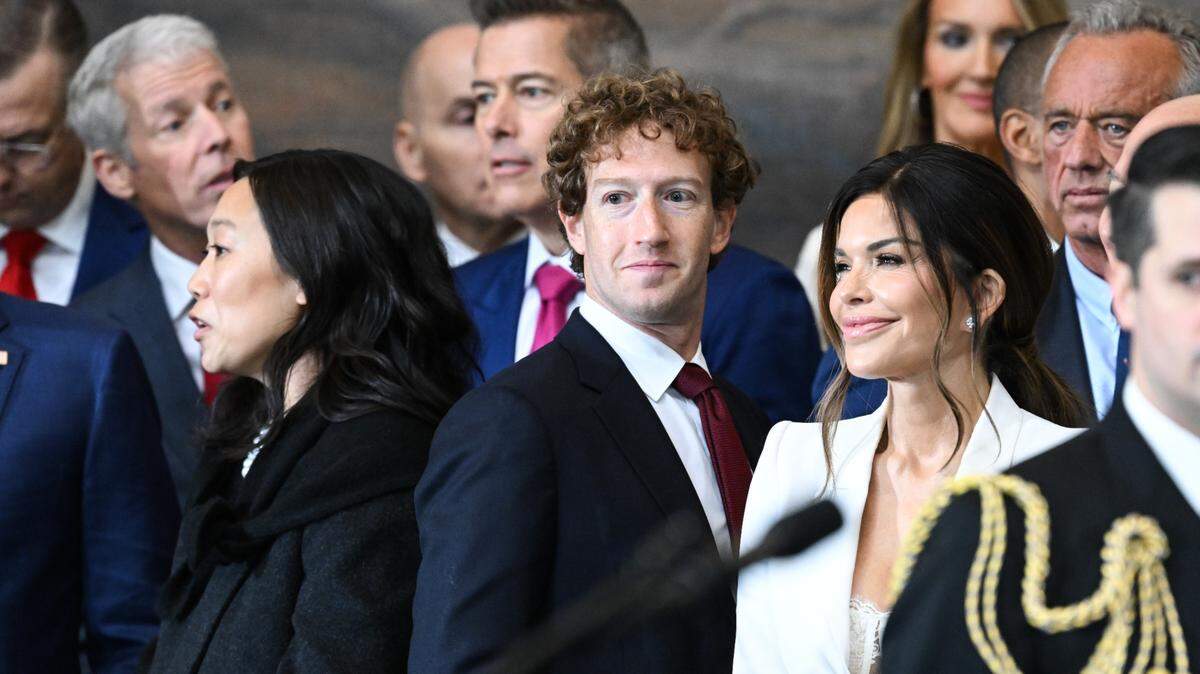
At President Donald Trump’s inauguration on Monday, a clear picture took shape of what the country’s new ruling class — a new oligarchy of sorts — looks like. Sitting a row ahead of Trump’s own Cabinet members — including Secretary of State Marco Rubio of Miami — were some of the world’s richest men, a cast of magnates worth more than $1 trillion combined, according to the Washington Post . Among them were Elon Musk, Meta’s Mark Zuckerberg and Amazon’s Jeff Bezos.
These tech billionaires stand to grow even richer under a president who values personal relationships, loyalty and the currying of favors. Their prominence in the inauguration, and in a new Trump administration, runs contrary to the working-class platform that got Trump reelected to fight for the proverbial common folks. And it shows that the billionaires have learned their lesson about the new president.
Four years ago, as Trump left office, they banned him from social media platforms like Facebook as the then-former president repeated lies about the 2020 elections. Republicans nationally responded with an intense fight against the bans. In Florida, social media companies found themselves locked in battle with Gov. Ron DeSantis — who then was planning to run for president — over a law he signed in 2021 to fine platforms that removed political candidates, among other things. The law has been tangled in court challenges even since. Last year, Florida passed another law banning some minors from social media.
Now, tech founders and CEOs have bankrolled pieces of Trump’s campaign and inauguration and dropped their fact-checking program — as Meta did weeks before Trump took office. Instead of pushing back against government interference and fighting for free speech, as the tech industry claimed it was doing when it challenged laws like Florida’s, the companies have chosen to play nice.
And it’s paying off for them so far, with VIP attendance at the inauguration. Perhaps not for the American people, though.
The wealthy have always played an outsized role in politics, helping both parties win the White House — and many tech bros have historically leaned Democratic. The difference this time is that Musk’s X, Zuckerberg’s Facebook and Instagram, Google and others control much of the information flow that’s available to hundreds of millions of Americans (Bezos, for his part, owns the Washington Post). A decision to prioritize certain types of accounts and content can have widespread repercussions. If content favors Trump and his party, that can swing elections and help shape public opinion. And Trump, like no other president, understands the political weapon social media is.
Having the people who control those platforms on his side is a feat for Trump. He has been able to accomplish, through sheer political power, what DeSantis tried to do through force and penalties. The tech companies won’t need to be forced to keep Trump on their platforms — they are joining forces with him voluntarily.
Trump’s decision to delay the banning of TikTok, which he criticized in his first term but now is trying to “save,” might also be the product of Big Tech’s re-alignment with the the president. After trying to ban the app himself with a 2020 executive order, Trump’s opinion of it shifted after meeting with billionaire Jeff Yass, a conservative donor with connections to ByteDance, TikTok’s China-based parent company.
With 170 million users in the U.S., most of them young people who are being introduced to politics, TikTok could become a major asset for Trump if the platform is sold to an American buyer friendly to the MAGA movement. Trump has 15 million followers on the app.
Controlling all major social media platforms in the U.S. would be the equivalent of regimes that control all major newspapers and TV stations, but without the need for government censors.
Like the oil and railroad tycoons before them, America’s tech bros now have a seat at the president’s table — and their power cannot be underestimated.
Click here to send the letter.
BEHIND THE STORY
MOREWhat's an editorial?
Editorials are opinion pieces that reflect the views of the Miami Herald Editorial Board, a group of opinion journalists that operates separately from the Miami Herald newsroom. Miami Herald Editorial Board members are: opinion editor Amy Driscoll and editorial writers Isadora Rangel and Mary Anna Mancuso. Read more by clicking the arrow in the upper right.
What's the difference between an op-ed and a column?
How does the Miami Herald Editorial Board decide what to write about?
The Editorial Board, made up of experienced opinion journalists, primarily addresses local and state issues that affect South Florida residents. Each board member has an area of focus, such as education, COVID or local government policy. Board members meet daily and bring up an array of topics for discussion. Once a topic is fully discussed, board members will further report the issue, interviewing stakeholders and others involved and affected, so that the board can present the most informed opinion possible. We strive to provide our community with thought leadership that advocates for policies and priorities that strengthen our communities. Our editorials promote social justice, fairness in economic, educational and social opportunities and an end to systemic racism and inequality. The Editorial Board is separate from the reporters and editors of the Miami Herald newsroom.
How can I contribute to the Miami Herald Opinion section?
The Editorial Board accepts op-ed submissions of 650-700 words from community members who want to argue a specific viewpoint or idea that is relevant to our area. You can email an op-ed submission to oped@miamiherald.com. We also accept 150-word letters to the editor from readers who want to offer their points of view on current issues. For more information on how to submit a letter, go here.