
Trump pardons for Miami J6ers and others is dangerous step toward whitewashing history | Opinion
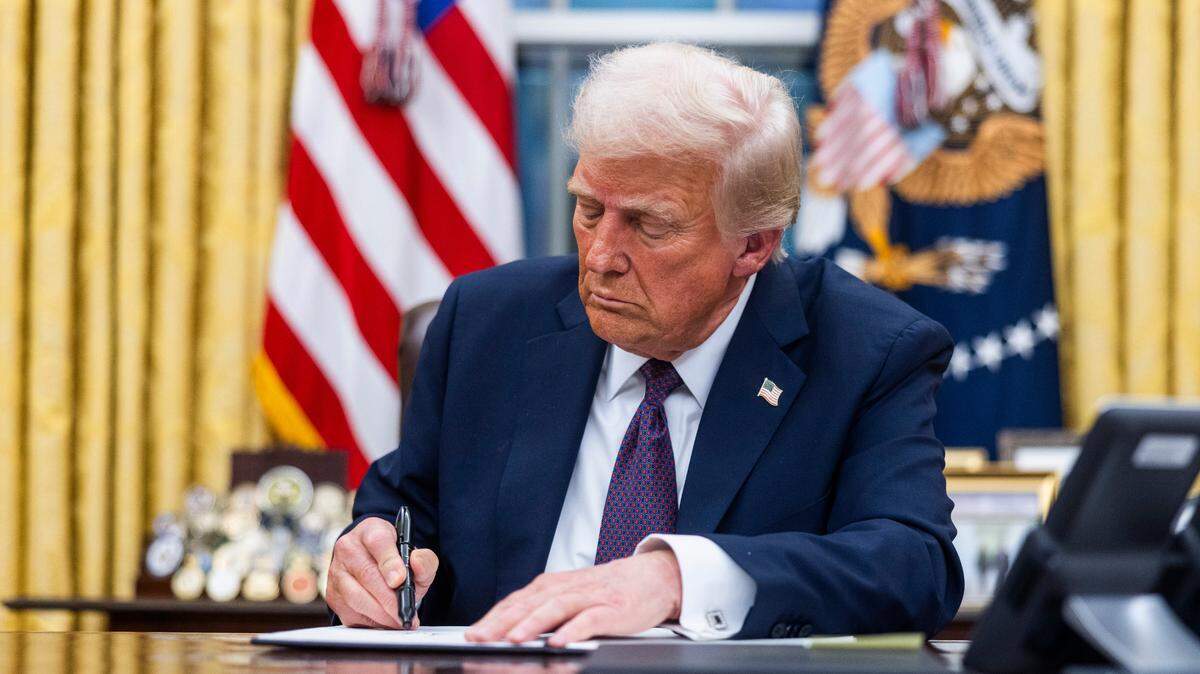
The pardons of nearly all the Jan. 6 defendants — including Miami’s ex-Proud Boys chairman Enrique Tarrio and former Proud Boy Gabriel Garcia — is an effort to rewrite the past, tipping America dangerously close to a new era of officially-condoned revisionist history.
On Monday night, newly sworn-in President Trump issued a blanket pardon for roughly 1,500 individuals convicted for their roles in the attack on the U.S. Capitol. Trump’s pardons will not only release a swath of domestic terrorists into our society, the actions also represent an attempt to whitewash U.S. history — even though we witnessed the mob storm the Capitol and construct a noose meant for Vice President Mike Pence while our elected officials barricaded themselves in the chamber pleading for help from law enforcement.
The pardons are an effort to downplay the events of Jan. 6, but the implications extend far beyond rewriting the day’s events. By undoing the convictions, Trump is undermining the rule of law. That, in turn, weakens our already vulnerable institutions and, ultimately, undermines democracy.
While Trump’s pardons have left many of us slack-jawed over his audacity, Biden’s pardons didn’t help reinforce the importance of upholding the rule of law, either. In the final hours of Biden’s presidency, he issued preemptive pardons for Dr. Anthony Fauci, General Mark Miley, Jan. 6 committee members and five family members. While Biden’s last-minute preemptive pardons were issued out of concern of retribution from Trump, they serve to further weaken the power of government to enforce the laws. Biden’s pardons, like Trump’s, have altered the president’s power of forgiveness and further damaged the concept of the rule of law.
The pardons also make us wonder whether Republicans who broke with Trump after Jan. 6 — such as Rep. Liz Cheney and Rep. Adam Kinzinger— could have done more to prevent the insurrection had they spoken out sooner. Their eventual opposition to Trump was commendable, but too little, too late.
The pardoning of Tarrio, Garcia and other Jan. 6 defendants — Florida has many — will have other ramifications, too. Trump’s blanket action sends a dangerous message that individuals won’t be held accountable for actions that threaten democracy. It also shows the world that our democratic institutions are vulnerable. It could even inspire copycats — those who refuse to accept future electoral outcomes may feel emboldened to take similar actions, knowing that they, too, could be absolved with the stroke of a presidential pen.
While presidential pardons are absolute under the Constitution, Trump’s pardons have been used to systematically undermine the workings of the justice system. His pardons risk normalizing political violence and creating a two-tiered justice system where consequences depend on political allegiance rather than actions.
Tarrio is expected to land in Miami on Tuesday night and fellow Miami-native, Garcia — who cut off his ankle monitor on television — has vowed to help fellow J-6ers still in prison.
While some will celebrate their release as a victory against what they perceive as a weaponized justice system, others will see it for what it is — an alarming step toward the erosion of the rule of law in America. Their newfound freedom is more than symbolic; it is an invitation for others to test the limits of the law, knowing that loyalty to Trump can serve as a get-out-of-jail-free card.
The fallout from the Jan. 6 pardons may not be immediate, but it will be felt for years to come. Voters who believed in fair and free elections now have even more reason to question whether the guardrails of democracy will hold. And those who seek to undermine the nation’s institutions have just received a clear signal: if they act in service of the right political cause, they may not have to face real consequences.
Click here to send the letter.
BEHIND THE STORY
MOREWhat's an editorial?
Editorials are opinion pieces that reflect the views of the Miami Herald Editorial Board, a group of opinion journalists that operates separately from the Miami Herald newsroom. Miami Herald Editorial Board members are: opinion editor Amy Driscoll and editorial writers Isadora Rangel and Mary Anna Mancuso. Read more by clicking the arrow in the upper right.
What's the difference between an op-ed and a column?
How does the Miami Herald Editorial Board decide what to write about?
The Editorial Board, made up of experienced opinion journalists, primarily addresses local and state issues that affect South Florida residents. Each board member has an area of focus, such as education, COVID or local government policy. Board members meet daily and bring up an array of topics for discussion. Once a topic is fully discussed, board members will further report the issue, interviewing stakeholders and others involved and affected, so that the board can present the most informed opinion possible. We strive to provide our community with thought leadership that advocates for policies and priorities that strengthen our communities. Our editorials promote social justice, fairness in economic, educational and social opportunities and an end to systemic racism and inequality. The Editorial Board is separate from the reporters and editors of the Miami Herald newsroom.
How can I contribute to the Miami Herald Opinion section?
The Editorial Board accepts op-ed submissions of 650-700 words from community members who want to argue a specific viewpoint or idea that is relevant to our area. You can email an op-ed submission to oped@miamiherald.com. We also accept 150-word letters to the editor from readers who want to offer their points of view on current issues. For more information on how to submit a letter, go here.
This story was originally published January 21, 2025 at 1:33 PM.