
New Florida recreational marijuana measure may finally pass, if lawmakers don’t interfere | Opinion
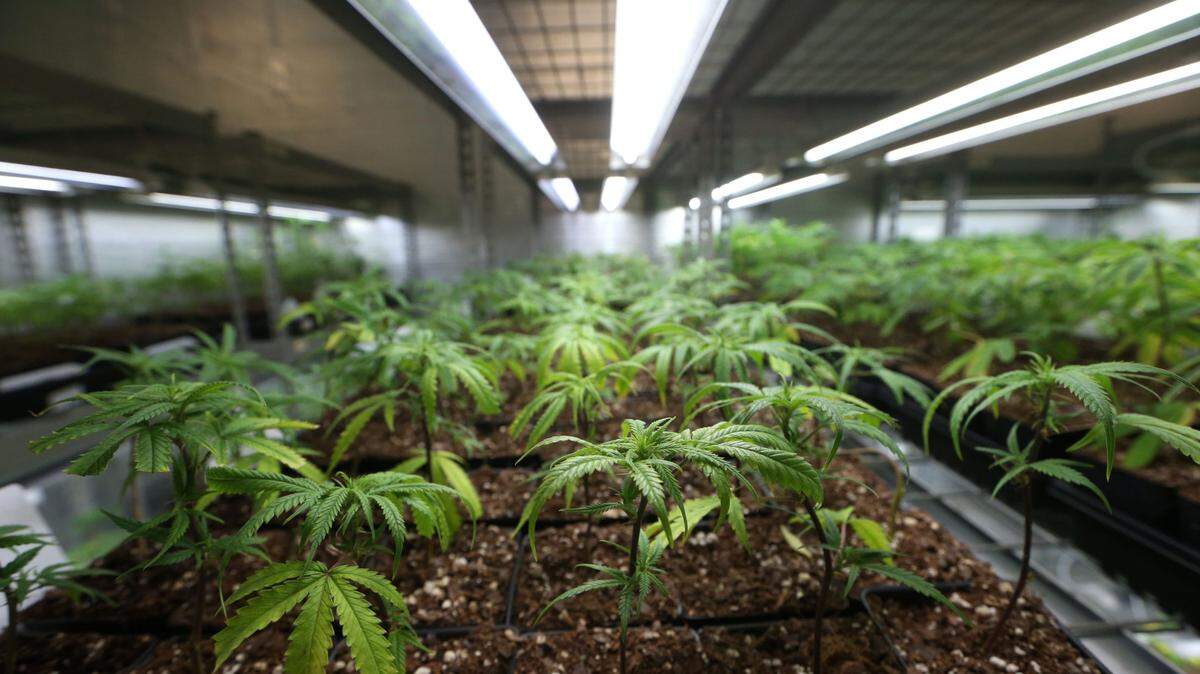
The proponents of the failed ballot measure to legalize recreational marijuana last year have learned a lesson and are trying to return with a revamped constitutional amendment proposal in 2026 that, hopefully, addresses the reasons Floridians rejected the measure.
A political committee funded by the state’s largest medical-marijuana provider, Trulieve, has unveiled new text for the amendment. The wording appears to address, point by the point, the attacks Gov. Ron DeSantis and his allies made — with help of public dollars — against Amendment 3 in the November election. The amendment got about 56% of the vote, short of the 60% required approval in Florida.
The new proposal filed Tuesday with the state Division of Elections still has a way to go before it would be allowed on the 2026 ballot — and lawmakers may change laws to make it almost impossible for it to happen.
The measure is an improvement over what voters saw in 2024. The original one left too much not fully spelled out, allowing opponents to raise questions in voters’ minds. The measure’s failure indicates that, if you’re going to try to amend the state constitution and legalize a drug, voters want clarity before they allow it.
A common attack was that the 2024 proposal would have allowed smoking in public spaces, even though lawmakers could have passed regulations to prohibit that. The new text explicitly “Prohibits smoking and vaping in public.” It also bans “marketing and packaging attractive to children” and lowers the total amount of marijuana adults over 21 can posses from three ounces to two ounces. It also allows lawmakers to legalize home growing for personal use, which tries to address another criticism that the old measure would have allowed only big corporations to grow the plant.
The new measure also tries to dampen another line of attack that Amendment 3 would have allowed Trulieve and others to establish a monopoly in the Florida cannabis market. While the previous amendment would have allowed medical-marijuana facilities like Truelieve’s to dispense recreational pot, the new one requires lawmakers to license other “Marijuana Entities,” potentially opening the market to new companies.
No one can say yet that the revamped amendment’s language is ironclad. DeSantis and other could still find holes in it and spread fear.
Similar fearmongering took place before voters approved the medical use of marijuana in 2016, with some officials warning that allowing dispensaries in their communities would attract crime and lead to widespread abuse. Now the state’s medical marijuana program is growing with health regulators poised to nearly double the number of licensed companies, currently at 27, according to the News Service of Florida.
The approval of medical marijuana offers a good lesson. After failing in the 2014 election, medical marijuana was finally approved in 2016.
Unfortunately, Florida has made it so hard for these so-called citizen petition drives to make it on the ballot that only groups with deep pockets can afford the process once, much less twice. Trulieve, which sells more than a third of Florida’s medical marijuana, pumped $144 million into the failed campaign for Amendment 3 last year.
Alleging fraud, DeSantis has urged lawmakers in a special session he’s called on Jan. 27 to change laws regarding the gathering and submitting of petitions necessary to get proposals on the ballot. Such changes would certainly make it even harder for voters to speak on important issues like marijuana and abortion rights, which also failed to pass last year.
Indeed, it’s the abortion rights amendment, which received 57% of the vote, that most deserves a second chance because it would end the state’s draconian six-week ban. The vagueness of parts of that amendment also made it the target of a fear campaign. Opponents claimed it would have allowed on-demand, late-term abortions, even though those usually account for less than 1% of abortions in the nation and, under the amendment, would have only been allowed for medical reasons approved by a healthcare provider. Opponents claimed that provider could be anyone from a doctor to a nurse assistant.
Now that proponents of adult recreational marijuana and reproductive rights understand what they are up against, they should get the opportunity to refine their proposals and make them clearer to voters.
Click here to send the letter.
BEHIND THE STORY
MOREWhat's an editorial?
Editorials are opinion pieces that reflect the views of the Miami Herald Editorial Board, a group of opinion journalists that operates separately from the Miami Herald newsroom. Miami Herald Editorial Board members are: opinion editor Amy Driscoll and editorial writers Isadora Rangel and Mary Anna Mancuso. Read more by clicking the arrow in the upper right.
What's the difference between an op-ed and a column?
How does the Miami Herald Editorial Board decide what to write about?
The Editorial Board, made up of experienced opinion journalists, primarily addresses local and state issues that affect South Florida residents. Each board member has an area of focus, such as education, COVID or local government policy. Board members meet daily and bring up an array of topics for discussion. Once a topic is fully discussed, board members will further report the issue, interviewing stakeholders and others involved and affected, so that the board can present the most informed opinion possible. We strive to provide our community with thought leadership that advocates for policies and priorities that strengthen our communities. Our editorials promote social justice, fairness in economic, educational and social opportunities and an end to systemic racism and inequality. The Editorial Board is separate from the reporters and editors of the Miami Herald newsroom.
How can I contribute to the Miami Herald Opinion section?
The Editorial Board accepts op-ed submissions of 650-700 words from community members who want to argue a specific viewpoint or idea that is relevant to our area. You can email an op-ed submission to oped@miamiherald.com. We also accept 150-word letters to the editor from readers who want to offer their points of view on current issues. For more information on how to submit a letter, go here.