
Led by Miami Republican, lawmakers show rare streak of independence from DeSantis | Opinion
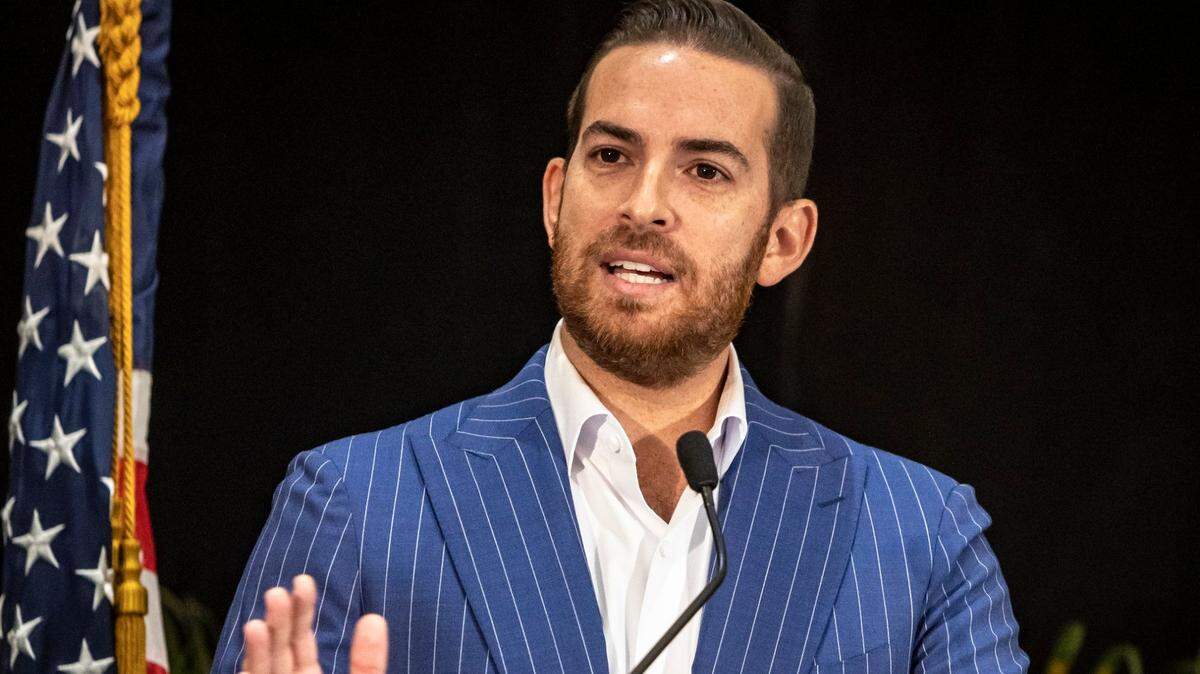
After following marching orders from the governor’s office for years, Republican lawmakers on Monday did something that once felt unimaginable: They pushed back on orders from Gov. Ron DeSantis to convene for a special session at the Florida Capitol to pass laws to boost President-elect Donald Trump’s immigration agenda.
This isn’t just political jockeying: If it holds up, it’s a healthy sign for the state’s democracy and system of checks and balances — but only if lawmakers continue to display such independence. After all, the role of the Florida House and Senate isn’t to merely sign off on everything the governor wants, as it happened in DeSantis’ first term with half-baked laws dealing with culture wars that ended up tangled in court battles. Besides passing laws, the job of lawmakers is to hold the executive branch accountable.
Could this indicate that DeSantis’ status as the one you shall not cross in Tallahassee has diminished? In his failed bid for the Republican presidential nomination last year, many Florida Republican officials endorsed Trump over DeSantis. But with Trump throwing his support behind DeSantis’ special session on Tuesday, the pressure on lawmakers to comply will grow.
Politicking aside, the words of House Speaker Daniel Perez, a Miami Republican, still stand true: “As the people’s elected representatives, the Legislature, not the Governor, will decide when and what legislation we consider,” he wrote in a joint statement with Republican Senate President Ben Albritton.
Perez and Albritton also called the special session “premature” because the federal government hasn’t yet released guidance to states on how to support Trump’s immigration efforts. The president-elect won’t take office until Jan. 20 and the Florida Legislature is already scheduled to meet during its regular session starting March 4.
“It is completely irresponsible to get out ahead of any announcements President Trump will make, especially when uninformed or ill-timed state action could potentially impair or impede the success of President Trump’s forthcoming efforts to end illegal immigration, close our borders, and protect the sovereignty of our nation,” the statement read.
It remains to be seen what will happen next. The Florida Constitution requires lawmakers to attend a special session unilaterally called by the governor, but the Legislature decides what bills to pass, if any.
In the special session starting on Jan. 27, DeSantis wants legislation requiring local and state officials to assist the federal government on immigration and the money to enforce the law. He also wants to suspend those officials “if they are neglecting their duties.”
The details of the governor’s proposal are still scarce but he might clash with newly-elected Miami-Dade Sheriff Rosie Cordero-Stutz, a Republican endorsed by Trump. With law enforcement busy patrolling the streets, she has repeatedly — and rightfully — said she does not want her deputies to act as immigration enforcement agents in carrying out mass deportations. She told CBS News Miami that, when dealing with crime victims, “Our priority is safety. Your status in immigration is not something that we ask for.”
DeSantis also wants lawmakers to address condominium regulations, hurricane relief and reforms to the citizen initiative process to amend the state constitution. The latter would make it harder for citizen petition drives to make it on the ballot.
Last year, DeSantis floated the idea of providing no-or-low interest loans to condo owners facing large maintenance bills because of new safety laws passed after 98 people died in the Surfside building collapse in 2021. Perez was skeptical of such loans in an interview with the Herald Editorial Board in October. He said he was “troubled” by possibly giving government-backed loans to condo owners and not to single-family homeowners who must also pay for their own maintenance. He added, however, that “all solutions have to be considered.”
“What I’m saying is that the solutions haven’t been vetted properly yet, and that’s the purpose of why we get elected, and that’s the purpose why we go to Tallahassee and we will vet that over the next several months,” Perez said in October.
Instead of being rushed by an impatient governor still seeking the spotlight, lawmakers should do exactly what Perez proposed: debate, legislate and reach a compromise to answer Florida’s most pressing problems.

Click here to send the letter.
BEHIND THE STORY
MOREWhat's an editorial?
Editorials are opinion pieces that reflect the views of the Miami Herald Editorial Board, a group of opinion journalists that operates separately from the Miami Herald newsroom. Miami Herald Editorial Board members are: opinion editor Amy Driscoll and editorial writers Isadora Rangel and Mary Anna Mancuso. Read more by clicking the arrow in the upper right.
What's the difference between an op-ed and a column?
How does the Miami Herald Editorial Board decide what to write about?
The Editorial Board, made up of experienced opinion journalists, primarily addresses local and state issues that affect South Florida residents. Each board member has an area of focus, such as education, COVID or local government policy. Board members meet daily and bring up an array of topics for discussion. Once a topic is fully discussed, board members will further report the issue, interviewing stakeholders and others involved and affected, so that the board can present the most informed opinion possible. We strive to provide our community with thought leadership that advocates for policies and priorities that strengthen our communities. Our editorials promote social justice, fairness in economic, educational and social opportunities and an end to systemic racism and inequality. The Editorial Board is separate from the reporters and editors of the Miami Herald newsroom.
How can I contribute to the Miami Herald Opinion section?
The Editorial Board accepts op-ed submissions of 650-700 words from community members who want to argue a specific viewpoint or idea that is relevant to our area. You can email an op-ed submission to oped@miamiherald.com. We also accept 150-word letters to the editor from readers who want to offer their points of view on current issues. For more information on how to submit a letter, go here.
This story was originally published January 14, 2025 at 6:03 PM.