
Democratic defections in Florida are bad for the state — and democracy | Opinion
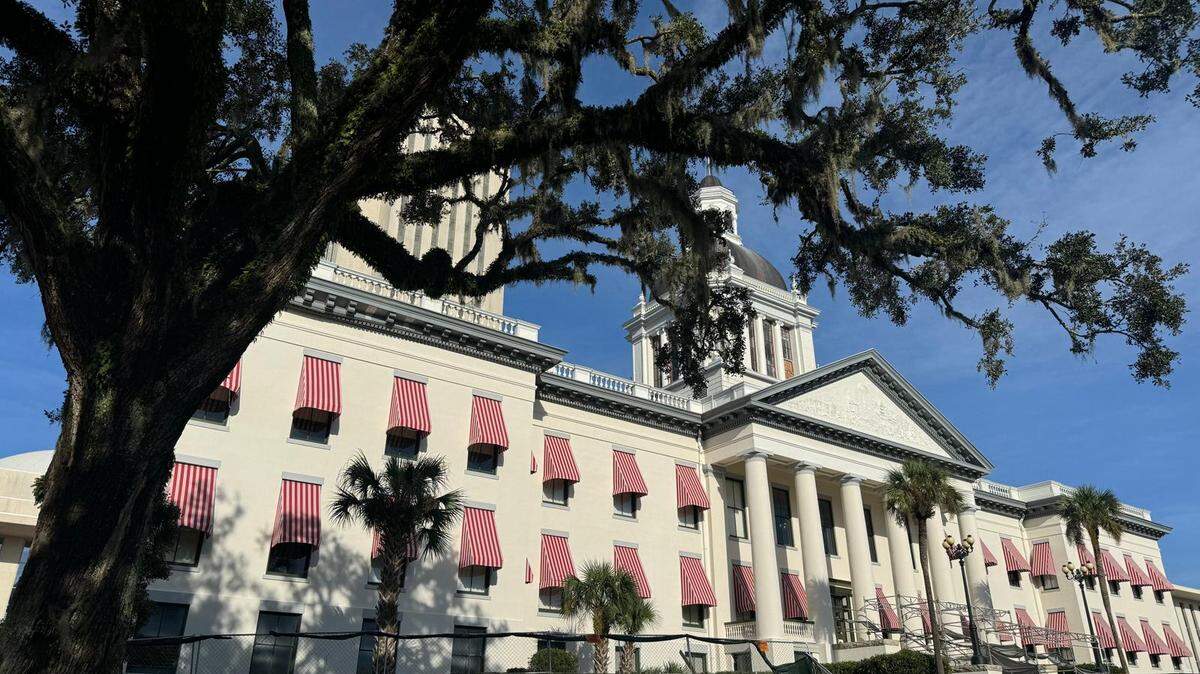
In a sign that Florida is moving closer to one-party rule, two Democratic lawmakers recently announced they have switched to the Republican Party.
The decisions by state Reps. Hillary Cassel of Broward County and Susan Valdes of Tampa give the GOP — and Speaker Danny Perez of Miami — the largest majority in Florida House history. Republicans don’t necessarily need that; they have passed their agenda easily in recent years as Democrats are increasingly left out of the legislative process. But the party switch gives Republicans an opportunity to gloat as Democrats become less relevant in state politics.
This is also a betrayal of voters who thought they elected two Democrats. Valdes defeated a Republican challenger in the November election, only to announce her party switch weeks later in early December. Cassel, first elected in 2022, was reelected last year without opposition in a South Broward district that, notably, voted for Donald Trump and shifted 17 percentage points to the right, the Herald reported.
It sure looks like Valdes and Cassel put self-preservation above party principles, knowing that Democrats can accomplish very little in a Legislature where Republicans have a supermajority. Both lawmakers will certainly see a boost in their legislative productivity now.
More important, though, is that even elected officials are jumping ship as the Florida Democratic Party hemorrhages voters — the GOP has achieved a historic 1 million voter-registration advantage — and cannot hold onto former blue bastions like Miami-Dade County, which Trump carried last year.
The party has been relegated to the role of protesting every time the GOP pushes extreme polices — such as a slew of new laws targeting LGBTQ people — but hasn’t been able to convince Floridians it can do a better job running the state.
“I’m tired of being the party of protesting when I got into politics to be part of the party of progress,” Valdes wrote in a statement in December. “I know that I won’t agree with my fellow Republican House members on every issue, but in know that in their caucus, I will be welcomed and treated with respect.”
Cassel, who’s Jewish, wrote in a statement posted on social media that she is “troubled by the Democratic Party’s failure to unequivocally support Israel and its willingness to tolerate extreme progressive voices that justify or condone acts of terrorism.”
“I’m constantly troubled by the inability of the current Democratic Party to relate to everyday Floridians,” she wrote.
Cassel’s words should hit a nerve with Democratic leadership. Take the 2024 presidential election. It’s hard to tell voters the economy is doing well, by pointing to charts and data that show a vigorous recovery after the pandemic, when regular people worry about affording groceries and gas.
Florida would be best served by two vibrant political parties rather than a single dominant one that could rule without checks and balances or input from those with opposing views.
With one party in control, policy discussions would become perfunctory. Diverse perspectives would likely be lost. Legislation could be pushed through without the kind of scrutiny that points out flaws or inconsistencies that should be fixed. Without meaningful opposition, the political process becomes little more than an echo chamber.
This is the kind of scenario that the founders warned us about in the Federalist Papers — specifically, when James Madison cautioned that unchecked factions would legislate for their own interests and ignore the needs of the general population.
The healthiest democracies thrive on vigorous debate and refinement of ideas through political competition. Ensuring diversity of ideas and fostering meaningful debate is a cornerstone of democracy itself. Both parties must recognize their actions will shape the state beyond what is politically advantageous today. Floridians deserve to be represented by leaders on both sides of the aisle.
Click here to send the letter.
BEHIND THE STORY
MOREWhat's an editorial?
Editorials are opinion pieces that reflect the views of the Miami Herald Editorial Board, a group of opinion journalists that operates separately from the Miami Herald newsroom. Miami Herald Editorial Board members are: opinion editor Amy Driscoll and editorial writers Isadora Rangel and Mary Anna Mancuso. Read more by clicking the arrow in the upper right.
What's the difference between an op-ed and a column?
How does the Miami Herald Editorial Board decide what to write about?
The Editorial Board, made up of experienced opinion journalists, primarily addresses local and state issues that affect South Florida residents. Each board member has an area of focus, such as education, COVID or local government policy. Board members meet daily and bring up an array of topics for discussion. Once a topic is fully discussed, board members will further report the issue, interviewing stakeholders and others involved and affected, so that the board can present the most informed opinion possible. We strive to provide our community with thought leadership that advocates for policies and priorities that strengthen our communities. Our editorials promote social justice, fairness in economic, educational and social opportunities and an end to systemic racism and inequality. The Editorial Board is separate from the reporters and editors of the Miami Herald newsroom.
How can I contribute to the Miami Herald Opinion section?
The Editorial Board accepts op-ed submissions of 650-700 words from community members who want to argue a specific viewpoint or idea that is relevant to our area. You can email an op-ed submission to oped@miamiherald.com. We also accept 150-word letters to the editor from readers who want to offer their points of view on current issues. For more information on how to submit a letter, go here.