
Taking away the dream of a college education from Dreamers is cruel | Opinion
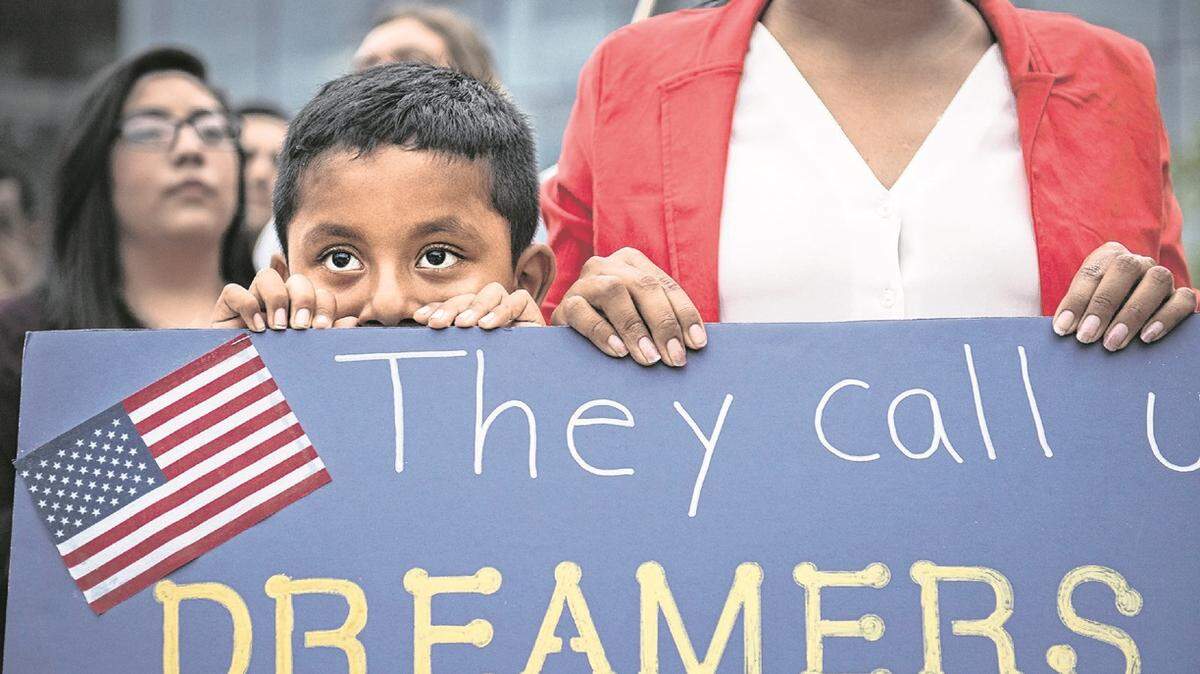
A proposal under consideration by the Florida Legislature to phase out the Florida tuition break for Dreamers is unjust and shortsighted.
For a decade in Florida, the Dreamers — the undocumented children brought to this country illegally by their parents — have had the opportunity to receive a more affordable education at state colleges and universities under a 2014 law that allows them to pay in-state tuition fees offered to Florida residents.
Of course, the undocumented Dreamers, though granted the right to work and temporarily remain in the U.S. through the DACA policy, the Deferred Action for Childhood Arrivals, are not Florida residents.
The Legislature feels it’s time to remind them again.
The tuition waiver had been a decision of the Legislature and Florida’s then-Republican Gov. Rick Scott who signed House Bill (H.B) 851 in 2014, allowing in-state tuition for the college-bound dreamers. Gov. Ron DeSantis’ own lieutenant governor, Jeanette Núñez, championed the policy in 2014 when she served in the Florida House. Today, there are about 21,000 Dreamers in Florida and about 535,000 nationwide, according to the National Immigration Forum.
That was then, this now.
Last week, Republican Florida Senate Pres. Ben Albritton said in Tallahassee that he would like to end the state law that has given a financial break to the Dreamers. Last year, a similar effort failed. Sen. Randy Fine, a Republican from Brevard County who is running for Congress, proposed the legislation, SB 90, for 2025.
The question is back on the table, as Donald Trump prepares to take office in January after vowing to deport one million undocumented immigrants.
Though criminals may be targeted first in any mass deportation, this move in Florida is chilling for Dreamers, who have been handed curveball after curveball by different administrations. Dreamers are sad collateral damage of the U.S.’s broken immigration system — where lawmakers would be better off focusing.
For the least decade in Florida, Dreamers could keep their hope alive of attaining the American dream alive through a college education. Now, the state wants to halt that road to a better life — and that’s something we should all be concerned about.
If these young immigrants want to attend college, they will have to pay much more in tuition — and absorb the not-so-subtle message that they are unwelcome in the halls of higher ed and in the state.
The University of Florida’s annual tuition for in-state students is $6,381, while for out-of-state students, tuition is $28,658. DACA students are not eligible for federal or state financial aid.
We can almost hear the doors of academia in Florida closing for dreamers. What a shame.
The move to repeal the law allowing young undocumented immigrants to pay in-state tuition fails to recognize the valuable contributions that Dreamers make to our communities, nor does it recognize that children who are brought to the U.S. by the parents had no agency in that decision.
Phasing out the law is a blow to the hopes and aspirations of hardworking individuals who have grown up in Florida. Albritton says he wants to set a timeline to avoid too much disruption.
“If you and your family have built the idea of going to college around this, and you built your budget around it, then a sunset would make sense to me,” Albritton said.
The push to repeal the state law comes as no surprise to Republicans, amid an increase in hard line immigration policies. DeSantis was the one, in the 2024 Legislature, who sought to repeal the in-state tuition law for Dreamers, saying the state should not “subsidize” the education of non-U.S. citizens.
Republican leaders in the Legislature — fortunately — opted to protect the law and should do so again.
To deny these young people access to affordable education based on their immigration status is unjust and also counterproductive. Dreamers are not simply “non-U.S. citizens.” They grew up here. Florida is their home. Investing in their education benefits the state as a whole, creating a more educated and skilled workforce. Lawmakers were right in 2024. They should reject this repeal effort again in 2025.

Click here to send the letter.
BEHIND THE STORY
MOREWhat's an editorial?
Editorials are opinion pieces that reflect the views of the Miami Herald Editorial Board, a group of opinion journalists that operates separately from the Miami Herald newsroom. Miami Herald Editorial Board members are: opinion editor Amy Driscoll and editorial writers Isadora Rangel and Mary Anna Mancuso. Read more by clicking the arrow in the upper right.
What's the difference between an op-ed and a column?
How does the Miami Herald Editorial Board decide what to write about?
The Editorial Board, made up of experienced opinion journalists, primarily addresses local and state issues that affect South Florida residents. Each board member has an area of focus, such as education, COVID or local government policy. Board members meet daily and bring up an array of topics for discussion. Once a topic is fully discussed, board members will further report the issue, interviewing stakeholders and others involved and affected, so that the board can present the most informed opinion possible. We strive to provide our community with thought leadership that advocates for policies and priorities that strengthen our communities. Our editorials promote social justice, fairness in economic, educational and social opportunities and an end to systemic racism and inequality. The Editorial Board is separate from the reporters and editors of the Miami Herald newsroom.
How can I contribute to the Miami Herald Opinion section?
The Editorial Board accepts op-ed submissions of 650-700 words from community members who want to argue a specific viewpoint or idea that is relevant to our area. You can email an op-ed submission to oped@miamiherald.com. We also accept 150-word letters to the editor from readers who want to offer their points of view on current issues. For more information on how to submit a letter, go here.