
Miami was lucky this hurricane season, but so many others were not | Opinion
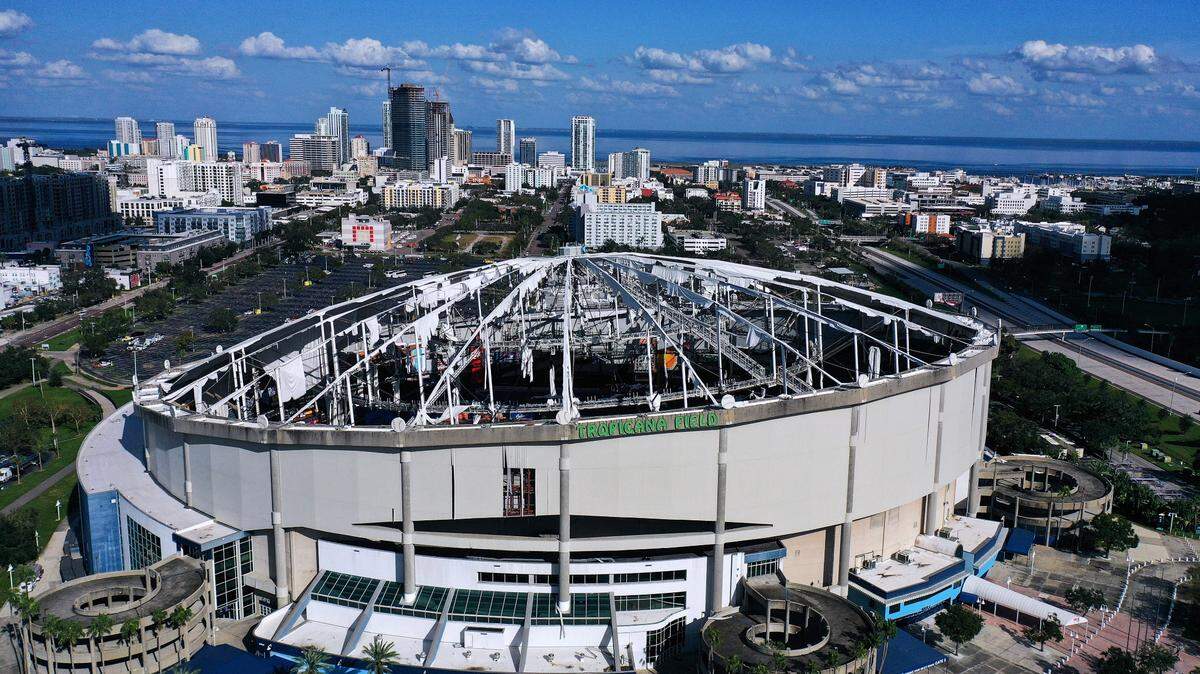
Whew. Miami made it through another hurricane season more or less unscathed, but our relief at Mother Nature’s mercy on our little burg this year is tempered by the painful knowledge that so many others in this state and beyond didn’t fare anywhere near as well. It’ll be a long time before Florida’s West Coast and Panhandle can put the 2024 season in the rear view mirror.
This year was one for the books. After a stretch of surprising calm through a good portion of July, the season turned sufficiently serious to live up to its billing as an above-average year, with storms hitting vast swathes of Florida and far beyond. (Hurricane Helene, we remember your march of destruction across our state line into Georgia and the Carolinas.)
Twelve storms formed after the season’s usual peak in early September, seven of those in the Atlantic after Sept. 25. That’s the most on record for that period, according to the National Oceanic and Atmospheric Administration. All those storms were more than enough to squelch the early-season talkthat the hurricane forecast was turning out all wrong. Unfortunately, it was all too correct.
In total, there were 18 named storms (meaning they had winds of 39 mph or greater) with 11 turning into hurricanes (at least 74 mph) and five into major hurricanes, with winds of 111 mph or greater, according to NOAA. Five hurricanes made landfall in the U.S. and two of those were major storms.
Three hurricanes hit Florida this year, and all of them were on the West Coast, where warm Gulf waters feed storm intensity.
Helene may be the one we remember most, for its continued strength once on land, its fatalities and its path — starting on the Florida Gulf Coast on Sept. 26 and causing widespread wind damage from Florida to the North Carolina mountains and flooding in western Florida. Helene, with an estimated 150 deaths, may prove to the be the deadliest hurricane to affect the continental United States since Katrina in 2005, according to NOAA. Most of the deaths were in North and South Carolina.
Hurricane Milton, unbelievably, hit two weeks later as a Category 3 storm, also on Florida’s West Coast, this time near Siesta Key. That storm spawned an incredible 46 tornadoes, many far from the direct path of the storm and inflicting damage even on the state’s East Coast.
Also notable with this storm: Milton’s rate of “rapid intensification” — a phrase we are now starting to fully grasp and dread — was among the highest ever observed, NOAA said. The storm’s winds increased by 90 mph in 24 hours between Oct. 6 and Oct. 7. What does that bode for next year, or the year after?
The first storm to hit Florida this year was way back on Aug. 5. Hurricane Debby was a Category 1 storm when it smashed into Steinhatchee and headed inland, carving a path that Helene would echo in late September.
Helene and Milton, which started out in Florida, took the heaviest toll, causing the kind of damage and disruption that will take years to rebound from. But Texas and Louisiana felt the wrath of hurricanes this year, too, when Hurricane Beryl — the earliest Atlantic basin Category 5 hurricane on record, NOAA noted — caused significant flooding. The storm hit Jamaica and the Yucatan before reaching the U.S. July 8.
This season, Miami is where many sought refuge from the West Coast when storms were hitting. Next year it could be the other way around. Anyone living in a place where hurricanes wreak havoc — and this year, that stretched to include previously unthinkable locations like Asheville, North Carolina, and Augusta, Georgia — knows that we could be in the cross-hairs next time.
Thankfully, forecasting has gotten better and better, which helps us prepare. Better building codes reduce damage. Hurricane insurance, though, remains a big issue for Florida.
In Miami, we were lucky this year. For now, we’ll take that, knowing 2025’s season is right around the corner.
Click here to send the letter.
BEHIND THE STORY
MOREWhat's an editorial?
Editorials are opinion pieces that reflect the views of the Miami Herald Editorial Board, a group of opinion journalists that operates separately from the Miami Herald newsroom. Miami Herald Editorial Board members are: opinion editor Amy Driscoll and editorial writers Isadora Rangel and Mary Anna Mancuso. Read more by clicking the arrow in the upper right.
What's the difference between an op-ed and a column?
How does the Miami Herald Editorial Board decide what to write about?
The Editorial Board, made up of experienced opinion journalists, primarily addresses local and state issues that affect South Florida residents. Each board member has an area of focus, such as education, COVID or local government policy. Board members meet daily and bring up an array of topics for discussion. Once a topic is fully discussed, board members will further report the issue, interviewing stakeholders and others involved and affected, so that the board can present the most informed opinion possible. We strive to provide our community with thought leadership that advocates for policies and priorities that strengthen our communities. Our editorials promote social justice, fairness in economic, educational and social opportunities and an end to systemic racism and inequality. The Editorial Board is separate from the reporters and editors of the Miami Herald newsroom.
How can I contribute to the Miami Herald Opinion section?
The Editorial Board accepts op-ed submissions of 650-700 words from community members who want to argue a specific viewpoint or idea that is relevant to our area. You can email an op-ed submission to oped@miamiherald.com. We also accept 150-word letters to the editor from readers who want to offer their points of view on current issues. For more information on how to submit a letter, go here.
This story was originally published December 1, 2024 at 9:00 AM.