
Miami-Dade took a baby step to address a stinky problem: its ‘garbage crisis’ | Opinion
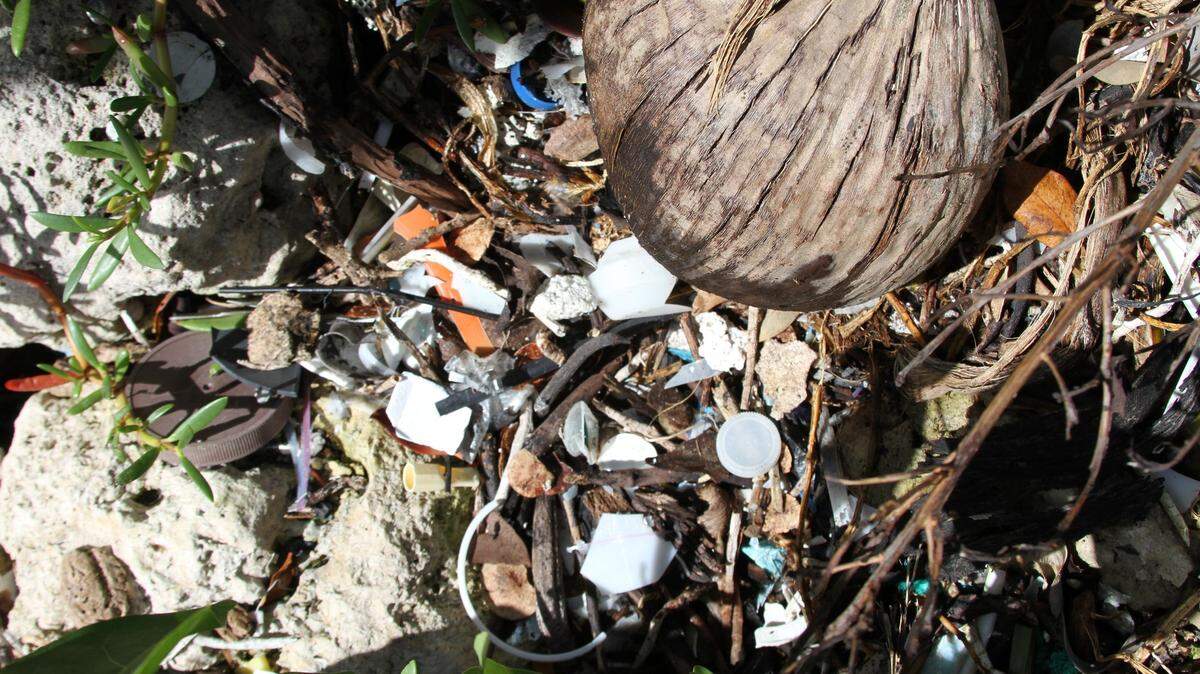
Miami-Dade is facing a “garbage crisis,” County Commissioner Eileen Higgins warned before she and her colleagues approved her resolution to limit single-use plastics and styrofoam at county-owned venues this week.
What to do with waste in Florida’s most populous county is an issue that has dragged on for almost two years, since Miami-Dade’s trash incinerator in Doral, built in 1982, burned beyond repair last February. The commission has yet to decide where to build what officials say would be a more modern, cleaner, greener, less smelly waste-to-energy facility — the largest in the nation. Nobody wants it in their community and Doral and Miramar have threatened to sue if an incinerator is built in their backyard because of past complaints about the smell and air quality. The county commission will discuss the incinerators’ new location next month.
Commissioners must make that decision quickly. Since the fire, Miami-Dade has been shipping its garbage to other parts of the state, which is more expensive and worse for the environment, Higgins said.
Even when a new incinerator is built — and there are environmentalists who say that should not happen — elected officials must still grapple with another question: how to reduce the garbage residents and businesses produce in the first place. The county’s waste is projected to grow from 2.5 million tons in 2024 to 2.9 million tons in 2028, the Herald reported.
Waste reduction can only happen if less non-recyclable, non-reusable trash ends up at landfills and incinerators. While opponents of the county commission’s recent decision say businesses should choose on their own to find greener packaging alternatives, there’s a role for government in accelerating that transition. After all, the environment, economy and quality of life are inextricably linked in South Florida.
Miami-Dade is still far behind other communities across the country and the world in reducing single-use plastic waste. The commission’s 10-3 vote to require that new vendors at county facilities like Miami International Airport switch from plastic and styrofoam to reusable or biodegradable alternatives is a small, yet politically savvy step in Florida. The new rules only apply to future vendor contracts and enforcement seems difficult — vendors will have to comply only “to the greatest extent possible.”
Change is hard, especially in the “free state of Florida,” where the Legislature has put personal freedom to use plastic above communities’ desire to protect the environment. Only 5% of plastic is recycled in the U.S., according to the Department of Energy, and too much plastic ends up in waterways like Biscayne Bay. And there’s growing evidence that so-called microplastics are harmful to our health and have been found even in breast milk and human brains.
In 2008, lawmakers prohibited counties and cities from banning single-use plastic and lobbying organizations such as the Florida Retail Federation have opposed any limits on the material. Local governments, however, are still allowed to place limits at publicly-owned properties, as Miami-Dade’s measure did. Yet if the county goes too far with its restrictions, more preemptions could come from the Legislature.
Higgins told the Herald Editorial Board that the goal of her resolution was “to get us started” on reducing waste.
“Lo and behold, 10 years from now, we will be a transformed county,” she said.
Next year, she said she will tackle composting, the process of recycling organic matter to use it to enrich soil and plants. Food and yard waste account for 20% to 30% of house trash, according to the U.S. Department of Agriculture. Higgins said there’s very little composting done in Miami-Dade and she wants to remove zoning hurdles for commercial composting facilities. She said the county is years away from incorporating composting into its regular trash pickup, but she wants to give residents options if they want to drop off their composting at a designated facility.
Long-term, Higgins’ goal is to get Miami-Dade closer to becoming zero-waste. That’s a worthy goal but one that will require baby steps in a state like Florida.
Click here to send the letter.
This story was originally published November 22, 2024 at 11:37 AM.