
Delay of condo collapse report is painful for families, but we must get this right | Opinion
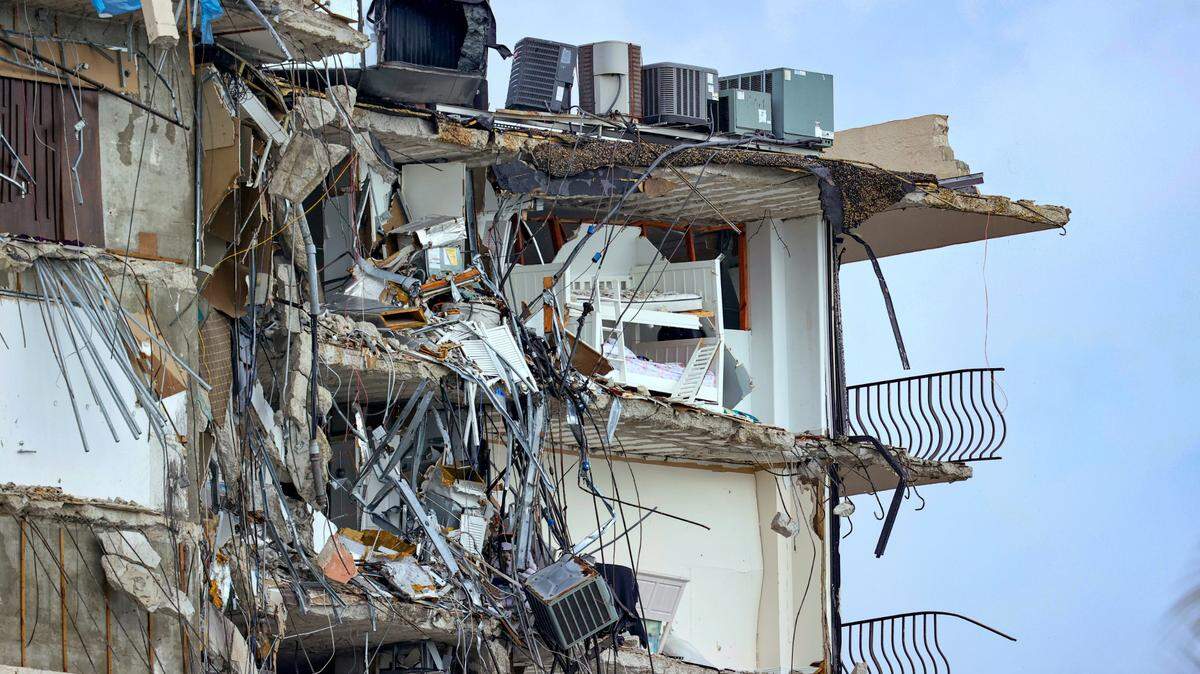
It’ll take a year longer than previously estimated to issue an official report on what caused the tragic collapse of the Champlain Towers South condo building in 2021, according to an investigative update issued Sept. 12.
The delay, until 2026, is hard to take. It’s frustrating to have to wait even longer than we expected for findings that could have enormous ramifications for condo-dwellers and condo construction. Beyond that, it’s bitterly disappointing and painful for those who lost loved ones when the condo fell down.
As Pablo Langesfeld, whose daughter and son-in-law died in the collapse, told the Miami Herald, “We need answers now.”
We agree. Who wouldn’t? It has been more than three years since the middle-of-the-night collapse of the 12-story beachfront building that killed 98 people in Surfside as they slept in their beds.
The families of those who died have already been waiting that long for answers on what went wrong. The wait for the findings of an investigative team with the National Institute of Standards and Technology shouldn’t be prolonged by another year. By the time this report is now expected to be complete, five years will have passed.
Those of us who were here will never forget the anguish of the days following the collapse, the gradual realization of what had happened and the slow increase in the death toll. Even now, driving past that empty spot in the skyline is rough.
But it’s important to get this absolutely right. For the sake of the families, for the sake of anyone who lives in a high-rise or plans to build one, the results of this investigation must be crystal clear and fully baked when they are released.
There seem to be good reasons for pushing back the timeline — issues with testing, obtaining documents and interviewing witnesses, the Miami Herald reported. Also slowing the investigation: a pause for this year’s collapse anniversary, to respect the families, plus difficulties obtaining local government records.
The amount of time this process is taking, even with the delay, isn’t out of line with other investigations by NIST, which has examined the causes of catastrophic building failures including the World Trade Center. Other investigations have taken 2 1/2 and six years to complete.
Also, the Surfside collapse is a complicated case: Glenn Bell, who is co-leading the investigation, called it “one of the most complex building failure investigations ever undertaken.”
That’s reflected in its cost — more than $33 million so far — and the team assembled to investigate, including dozens of engineers and other experts. Their work has involved endeavors such as recreating materials connecting the pool deck and lobby levels and then simulating corrosion of the reinforcing steel bars to they can be strength tested.
The team’s job includes testing materials from the collapsed building, creating computer models to simulate the event and figuring out what to recommend so this never happens again.
The Miami Herald did its own investigation into the building collapse, in consultation with engineers, finding that the pool deck fell several minutes after half of the tower came down. The Herald investigation identified major weaknesses in the structure that had gotten worse before the collapse, including areas where the pool deck appeared to sag, cracking a planter.
Even though we are waiting for the federal report, South Florida already is feeling significant impacts of the collapse as condo fees rise rapidly to meet requirements of much-needed safety laws, 30-year milestone inspections and financial reserve requirements put in place after the building fell. Gov. Ron DeSantis urged Florida legislators at a press conference earlier this month to help keep financially strapped condo owners in their units by delaying deadlines or by providing low- or no-interest loans to help manage condo assessments, even if it takes a special session.
There are larger lessons still to be learned from this tragedy. The NIST report must be thorough and complete before it is released. But when it’s your family member, your community, a year-long delay feels intolerable.
Click here to send the letter.
BEHIND THE STORY
MOREWhat's an editorial?
Editorials are opinion pieces that reflect the views of the Miami Herald Editorial Board, a group of opinion journalists that operates separately from the Miami Herald newsroom. Miami Herald Editorial Board members are: opinion editor Amy Driscoll and editorial writers Isadora Rangel and Mary Anna Mancuso. Read more by clicking the arrow in the upper right.
What's the difference between an op-ed and a column?
How does the Miami Herald Editorial Board decide what to write about?
The Editorial Board, made up of experienced opinion journalists, primarily addresses local and state issues that affect South Florida residents. Each board member has an area of focus, such as education, COVID or local government policy. Board members meet daily and bring up an array of topics for discussion. Once a topic is fully discussed, board members will further report the issue, interviewing stakeholders and others involved and affected, so that the board can present the most informed opinion possible. We strive to provide our community with thought leadership that advocates for policies and priorities that strengthen our communities. Our editorials promote social justice, fairness in economic, educational and social opportunities and an end to systemic racism and inequality. The Editorial Board is separate from the reporters and editors of the Miami Herald newsroom.
How can I contribute to the Miami Herald Opinion section?
The Editorial Board accepts op-ed submissions of 650-700 words from community members who want to argue a specific viewpoint or idea that is relevant to our area. You can email an op-ed submission to oped@miamiherald.com. We also accept 150-word letters to the editor from readers who want to offer their points of view on current issues. For more information on how to submit a letter, go here.