
DeSantis was spot on. ‘One-size-fits-all’ vacation rental bill was bad for South Florida | Opinion
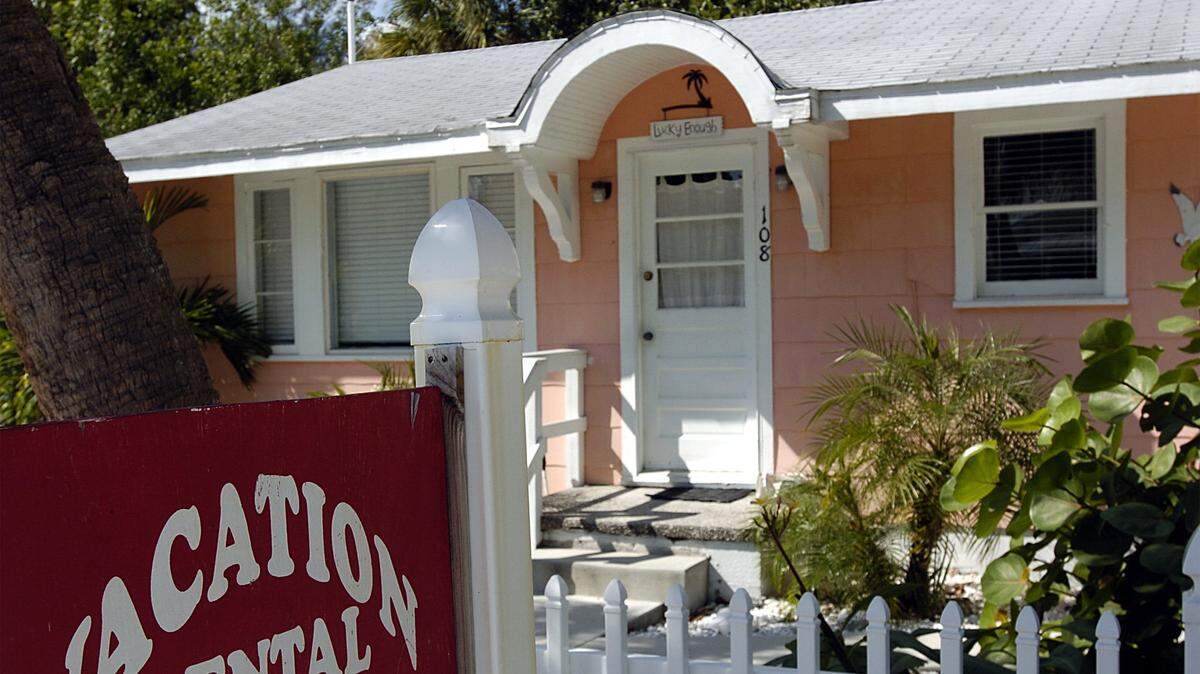
It might have been an easy decision for Gov. Ron DeSantis to veto a bill dealing the regulations of vacation rentals. Both sides of this years-long battle between operators like Airbnb and local governments didn’t like the legislation, the Miami Herald reported.
The vacation rental industry and several municipalities and counties had asked for the veto of Senate Bill 280, which happened on June 27. Tellingly, 20 Republicans — including some from Miami-Dade who represent communities affected by the proposed law — voted against the bill pushed by their own party.
Most importantly, the veto is a relief for the people who live next to troublesome short-term rentals — or the “party houses” that are spread throughout South Florida. The legislation would have ended policies dozens of cities and counties enacted throughout the state after 2011 and give more regulatory power to the state in a common practice known as preemption.
There was one notable exemption that allowed only one jurisdiction in the state to keep its current rules: Flagler County, represented by one of the most powerful officials in state government, House Speaker Paul Renner, R-Palm Coast. That speaks volumes.
Had DeSantis signed the bill, cities and counties would still be allowed to charge “reasonable” registration fees for vacation rentals, fine property owners and suspend and revoke registrations.
However, opponents complained the bill would’ve made it harder for governments to go after bad actors. For a single-month suspension to be issued, violations on five separate days during a two-month period would have to occur, the Herald reported. That would make it a herculean task to crack down on properties that cause perennial trouble to the chagrin of neighbors — essentially giving carte blanche for property owners who have no interest in maintaining the integrity of residential areas.
Miami Beach would have been among the communities mostly affected by the legislation. There are 5,852 short-term rentals registered with the city, representing 11% of the city’s supply of housing units in 2023, but the real number of rentals could be as high as 10,000, according to a city study. As the Herald Editorial Board wrote in April, the legislation would have erased city regulations on advertising platforms and requirements that property owners show what portions of a unit are being rented, as well as permission from a condo association, proof of insurance and fire code compliance.
Homeowners, of course, should have leeway to make money off Airbnb or Vrbo, though many vacation rentals are no longer mom-and-pop operations but run by large companies. Among the industry’s complaints about SB 280 is that it gave power to local governments to regulate and charge for rental licenses instead of leaving that authority with the state as it’s currently done.
The issue with a blanket state law — and most preemptions of local home rule — is that it doesn’t take into account the diversity of Florida’s 67 counties and hundreds of cities and towns — or their local short-term rental realities. Miami Beach — an urban and dense city that attracts thousands of tourists each year, many of them in search of alcohol-fueled partying — has different needs than smaller communities that might attract vacationing families.
DeSantis understands that nuance. In his veto letter, he recommended future legislation does not approach vacation rental regulations “as a one-size-fits-all issue.”
“The effect of this provision will prevent virtually all local regulation of vacation rentals even though the vacation rental markets are far from uniform across the various regions of the state,” he wrote.
The Legislature has been trying for years to balance the property rights of rental owners with the right to peace and quality of life in residential neighborhoods. Lawmakers have often erred on the side of taking local authority away. Let the governor’s veto be a message that they need a better balance.

Click here to send the letter.
BEHIND THE STORY
MOREWhat's an editorial?
Editorials are opinion pieces that reflect the views of the Miami Herald Editorial Board, a group of opinion journalists that operates separately from the Miami Herald newsroom. Miami Herald Editorial Board members are: opinion editor Amy Driscoll and editorial writers Isadora Rangel and Mary Anna Mancuso. Read more by clicking the arrow in the upper right.
What's the difference between an op-ed and a column?
How does the Miami Herald Editorial Board decide what to write about?
The Editorial Board, made up of experienced opinion journalists, primarily addresses local and state issues that affect South Florida residents. Each board member has an area of focus, such as education, COVID or local government policy. Board members meet daily and bring up an array of topics for discussion. Once a topic is fully discussed, board members will further report the issue, interviewing stakeholders and others involved and affected, so that the board can present the most informed opinion possible. We strive to provide our community with thought leadership that advocates for policies and priorities that strengthen our communities. Our editorials promote social justice, fairness in economic, educational and social opportunities and an end to systemic racism and inequality. The Editorial Board is separate from the reporters and editors of the Miami Herald newsroom.
How can I contribute to the Miami Herald Opinion section?
The Editorial Board accepts op-ed submissions of 650-700 words from community members who want to argue a specific viewpoint or idea that is relevant to our area. You can email an op-ed submission to oped@miamiherald.com. We also accept 150-word letters to the editor from readers who want to offer their points of view on current issues. For more information on how to submit a letter, go here.