
Trash-dumping kids on Florida boat aren’t the only ones who need environmental lesson | Opinion
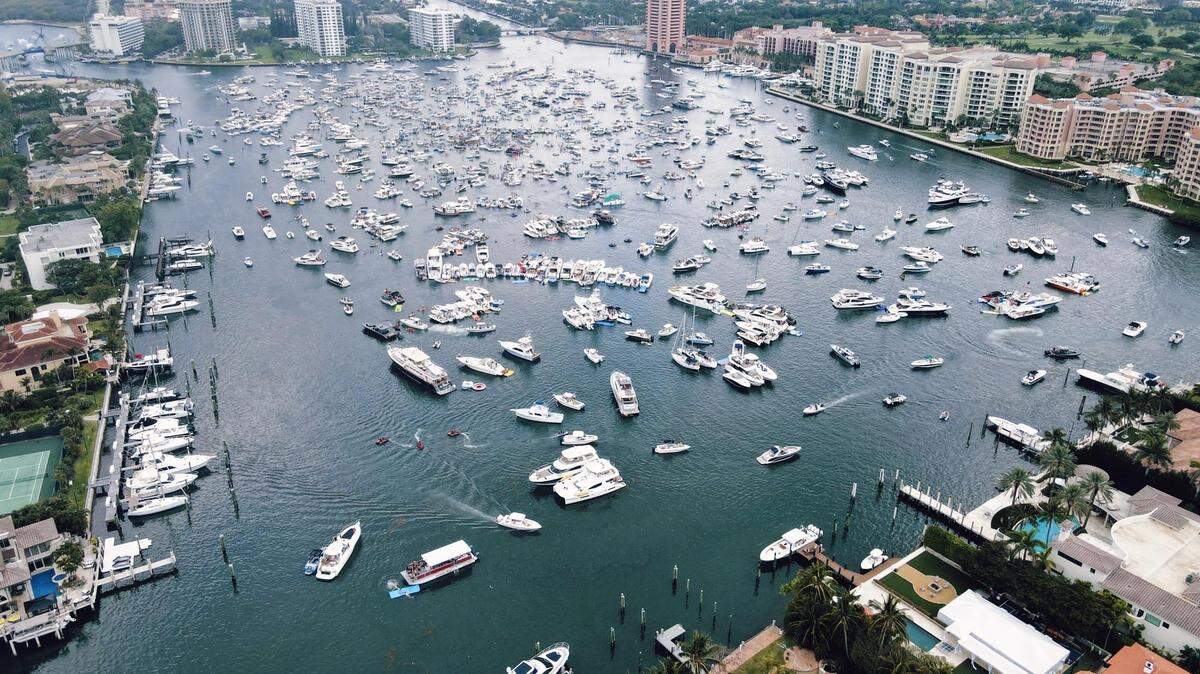
When two teenage boys were caught on video dumping two garbage cans of trash into the Atlantic Ocean during a South Florida boating party a couple of weeks ago, Rodney Barreto, chairman of the Florida Fish and Wildlife Conservation Commission, called it a “teaching moment.”
He also noted that illegal dumping of trash in Florida’s waters is a “serious crime” and that “callous disregard for Florida’s environment will not be tolerated.”
He’s right, on all those scores. But kids aren’t the only ones who need a lesson in preserving our environment and treating our natural resources with respect in Florida. Adults apparently need a refresher, too.
On that point, there’s a new environmental education effort by the city of Miami, called Leave No Trace. The concept comes from the Leave No Trace nonprofit in Colorado, which has been educating the public on the topic for decades.
This is important. It’s a welcome push to stop boaters and others who visit the city’s spoil islands in Biscayne Bay from piling up their garbage and then motoring away, conscience clear. Too often, that garbafe makes its way into the water.
Under the new plan, set to officially start May 18, the city wants visitors to act more like good stewards of the environment by packing up and packing out any garbage they make. No more mounds of refuse next to already-overflowing garbage cans on the islands. Nope — take it with you and dispose of it properly on the mainland.
That idea isn’t new. Many national parks require it. But for Miami, this is an important change, and Miami’s boaters and other visitors to the islands must do their part. If we want to keep the Bay healthy, we can start with taking personal responsibility for our own trash. You’d think that would be second nature already: Miami — and Florida — are deeply dependent on the health of the waters around us for our economy and our own recreation.
The city will launch an educational effort: put up signs, remove trash cans on the city’s spoil islands and announce that authorities will start enforcing litter laws for those who insist on leaving their trash on the islands. There also will be a social media campaign.
Until now, after a single day of heavy boating, the garbage cans are often overflowing at popular boating locations such as Pace Picnic Island, Chris Evans, Miami’s director of parks and recreation, told the Editorial Board.
Especially during boating season, which is roughly April to October, waste can really pile up on the islands fast. Even when people attempt to do the right thing by piling their bagged garbage around the cans, a lot of garbage ends up in the surrounding waters and must be cleaned up. That’s polluting.
We’ve known about this problem for years — the piled-up trash on the islands “repeatedly kept coming up,” often on social media, Evans said. So now we are doing something about it.
This is a commonsense measure. The first Earth Day was in 1970, and Rachel Carson’s book, “Silent Spring,” about pesticides and the impacts of environmental pollution, was published in 1962. We should all know enough by now to pack up our garbage, not leave it on an island in the bay. Also, don’t throw it into the ocean, even as a youthful prank.
Floridians haven’t always acted particularly kindly toward the natural world. Development run amok, the draining of the Everglades and plume hunters who decimated entire bird species for their feathers — the list of ways we have ruthlessly exploited our environment is long.
So, yes, there are lessons here for the two boys, ages 15 and 16, who were charged with polluting, a third-degree felony. The boys dumped a sizable amount of garbage overboard: plastic water bottles, cans, food bags, plastic cups and other trash, according to the arrest reports.
But there are also lessons for the rest of us. In Miami, we need to demonstrate with real actions that we value our fragile environment, the waterways that make our town so desirable. Sometimes that comes down to plain old personal responsibility: properly disposing of your own garbage.
Click here to send the letter.
BEHIND THE STORY
MOREWhat's an editorial?
Editorials are opinion pieces that reflect the views of the Miami Herald Editorial Board, a group of opinion journalists that operates separately from the Miami Herald newsroom. Miami Herald Editorial Board members are: opinion editor Amy Driscoll and editorial writers Isadora Rangel and Mary Anna Mancuso. Read more by clicking the arrow in the upper right.
What's the difference between an op-ed and a column?
How does the Miami Herald Editorial Board decide what to write about?
The Editorial Board, made up of experienced opinion journalists, primarily addresses local and state issues that affect South Florida residents. Each board member has an area of focus, such as education, COVID or local government policy. Board members meet daily and bring up an array of topics for discussion. Once a topic is fully discussed, board members will further report the issue, interviewing stakeholders and others involved and affected, so that the board can present the most informed opinion possible. We strive to provide our community with thought leadership that advocates for policies and priorities that strengthen our communities. Our editorials promote social justice, fairness in economic, educational and social opportunities and an end to systemic racism and inequality. The Editorial Board is separate from the reporters and editors of the Miami Herald newsroom.
How can I contribute to the Miami Herald Opinion section?
The Editorial Board accepts op-ed submissions of 650-700 words from community members who want to argue a specific viewpoint or idea that is relevant to our area. You can email an op-ed submission to oped@miamiherald.com. We also accept 150-word letters to the editor from readers who want to offer their points of view on current issues. For more information on how to submit a letter, go here.