
In case we forgot, a harsh reminder this week of how cruel communist Cuba can be| Opinion
We spoke too soon.
We recently wrote an editorial observing that the Cuban government seemed unusually zen-like with demonstrators. The evidence: A protest last month in Santiago de Cuba, in which people were heard chanting about the shortage of food, electricity and liberty, appeared to dissipate peacefully and organically, and not with a bashing by state police.
Was Cuba growing more lenient about protesters, we wondered? Even island leader Miguel Díaz-Canel admitted he understood the protesters’ pain. Of course, he blamed the U.S. embargo but seemed to indicating the protesters were being heard. He even announced he would hold fireside chats to better communicate with the people.
Well, forget all that nonsense.
This week, a new case of Cuban-style punishment, glaring in its severity, has dashed all that leniency talk. Enter the crackdown, as is always the case in Cuba, a leading human rights abuser.
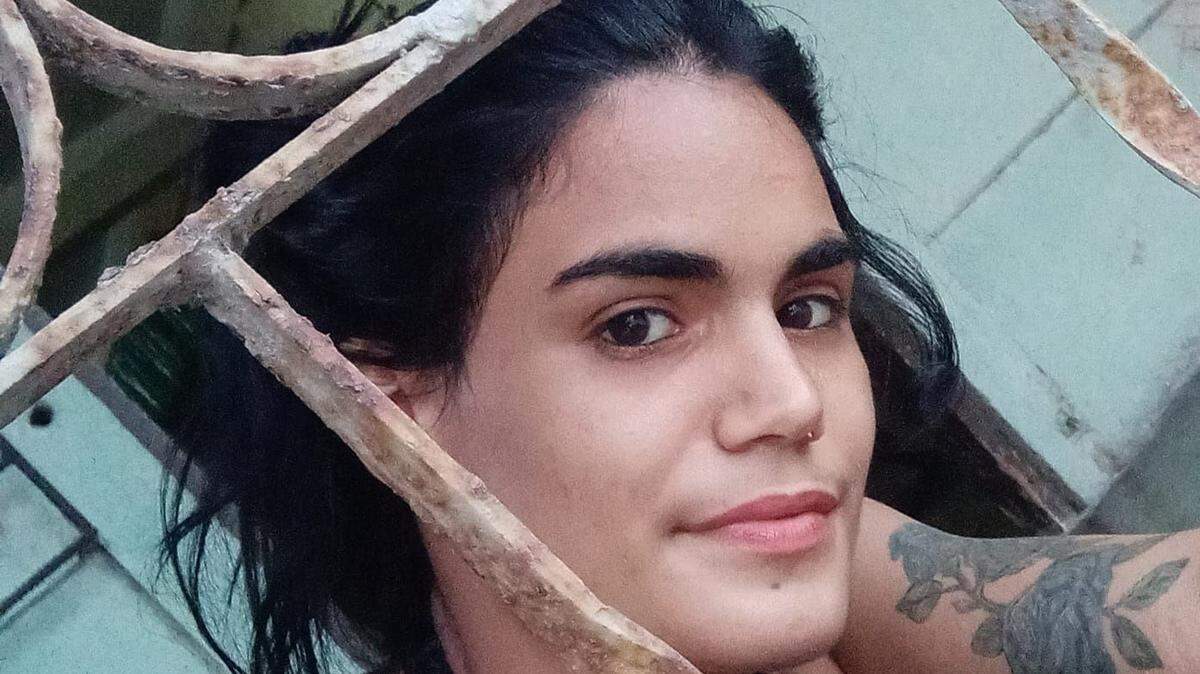
A 23-year-old Cuban mother, Mayelín Rodríguez Prado, has been sentenced to 15 years in prison for participating in protests that occurred in the summer of 2022, Miami Herald’s Cuba reporter Nora Gamez Torres reported.
Prado’s crime? She uploaded a video of the protest on Facebook to the rest of the island and for the outside world to see. The Cuban government hates to be exposed.
Prado is said to have recorded the moment in which Cuban police beat three girls during the demonstration, as well as other repressive actions against protesters, according to el País newspaper.
“It was Mayelín who gave visibility to the protests and to the repression of the authorities. That is why this sentence [has been imposed], as a way to punish her,” said Cuban lawyer Raudiel Peña Barrios, a member of the legal advisory group Cubalex, which monitors human rights abuses on the island.
The sentence shows that Cuba never changes. It could have been handed down in 1959. In Cuba, 15 years in prison is 15 years with no parole.
Prado broke a cardinal rule: the ideals of Fidel Castro’s revolution are not to be criticized, and those who do, like this young mother, are jailed or sent into exile.
According to reports, Prado was sentenced by a court in Havana “for the crimes of public disorder, contempt, attack and theft or criminal damage,” She had admitted that during the protests, she also “yelled slogans like ‘freedom’ and ‘down with the dictatorship.’”
She had been charged with “sedition” and disseminating “enemy propaganda” for the August 2022 posts of the protest in the city of Nuevitas, in the central province of Camaguey.
Here’s how this woman came into the spotlight. A year after anti-government protests spread throughout the island on July 11, 2021, dubbed the Patria y Vida movement, the residents of Nuevitas took to the streets during an electricity blackout. They chanted, “Turn on the lights!” “Freedom!” and “The people are tired!” according to independent news outlet 14ymedio.
Prado received a 15-year sentence; another 12 demonstrators received sentences between four and 14 years for similar charges.
This week, even U.S. officials were shocked by the severity of the sentences. “The harsh sentencing this week of up to 15 years in prison for Cubans who peacefully assembled... is outrageous,” Brian Nichols, assistant secretary for Western Hemisphere affairs at the U.S. State Department, said on X. “The Cuban government’s continued repression of Cubans striving to fulfill their basic rights and needs is unconscionable.”
The previous severe crackdown came during those Patria y Vida demonstrations. The Cuban government prosecuted hundreds of people who participated, meting out sentences of up to 30 years in prison. Despite an international outcry and diplomatic efforts, Cuban authorities have declined to release them, claiming they are not political prisoners.
The harsh sentences for the Nuevitas demonstrators suggest Cuban authorities are at it again and remain steadfast in their determination to crack down on opposition.
In recent years, the Cuban government had approved legislation, in effect, criminalizing freedom of expression.
Now, that’s the despicable, old guard Cuba we know.
Click here to send the letter.
BEHIND THE STORY
MOREWhat's an editorial?
Editorials are opinion pieces that reflect the views of the Miami Herald Editorial Board, a group of opinion journalists that operates separately from the Miami Herald newsroom. Miami Herald Editorial Board members are: opinion editor Amy Driscoll and editorial writers Isadora Rangel and Mary Anna Mancuso. Read more by clicking the arrow in the upper right.
What's the difference between an op-ed and a column?
How does the Miami Herald Editorial Board decide what to write about?
The Editorial Board, made up of experienced opinion journalists, primarily addresses local and state issues that affect South Florida residents. Each board member has an area of focus, such as education, COVID or local government policy. Board members meet daily and bring up an array of topics for discussion. Once a topic is fully discussed, board members will further report the issue, interviewing stakeholders and others involved and affected, so that the board can present the most informed opinion possible. We strive to provide our community with thought leadership that advocates for policies and priorities that strengthen our communities. Our editorials promote social justice, fairness in economic, educational and social opportunities and an end to systemic racism and inequality. The Editorial Board is separate from the reporters and editors of the Miami Herald newsroom.
How can I contribute to the Miami Herald Opinion section?
The Editorial Board accepts op-ed submissions of 650-700 words from community members who want to argue a specific viewpoint or idea that is relevant to our area. You can email an op-ed submission to oped@miamiherald.com. We also accept 150-word letters to the editor from readers who want to offer their points of view on current issues. For more information on how to submit a letter, go here.