
Shoot-out doesn’t mean Doral is the next South Beach. But it’s time to take action | Opinion
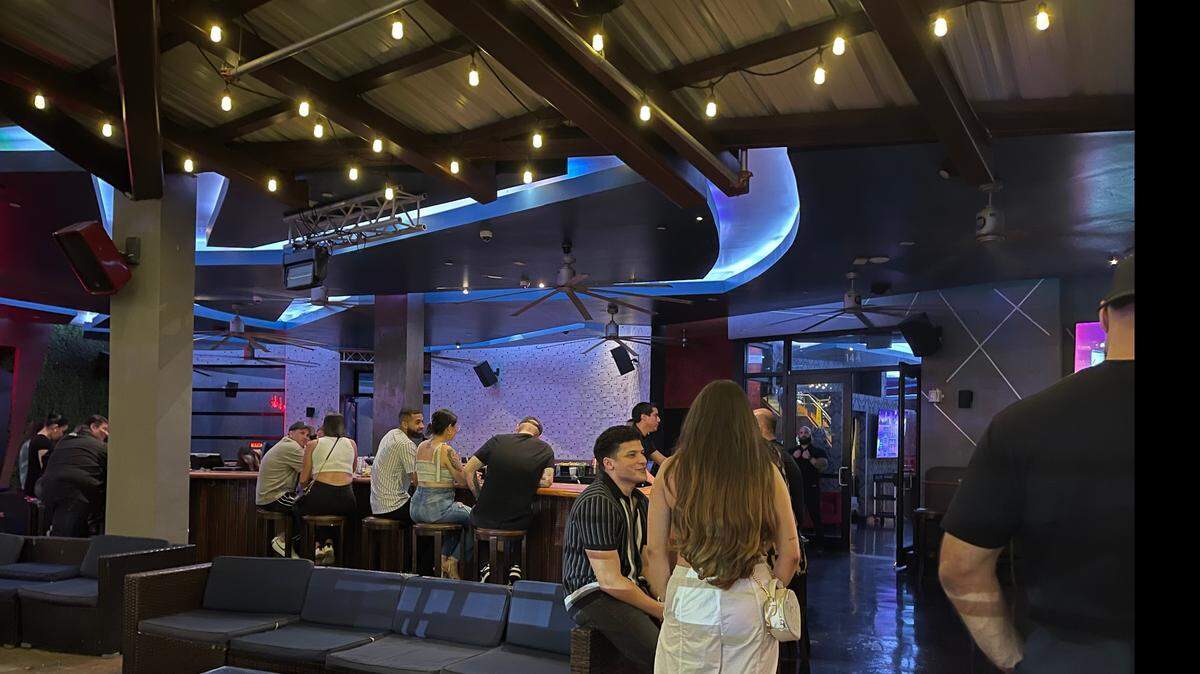
The deadly shooting at Doral’s Martini Bar two weeks ago has left city leaders and residents in the usually low-key city in western Miami-Dade wondering if the city should be considering whether to rein in its growing, late-night entertainment districts.
The chaotic shootout at a crowded bar in CityPlace Doral on a Saturday at 3:30 a.m. left two people dead and seven others, including a police officer, injured on April 6.
One might expect such an explosion of violence on South Beach during spring break (at least in previous years) or in some other South Florida entertainment hot spot, but in Doral? The 21-year-old city prides itself on being a safe, family-oriented place for its 80,000 residents. City leaders will now have to determine if there are any steps that should be taken to ensure the city doesn’t become an unruly nightlife destination.
The mass shooting has tarnished the city. But Mayor Christi Fraga is looking for solutions to make nightclubs more secure and roll back the hours of operation for a handful of bars that stay open until 4 a.m. And yet there is a hitch that would have to be addressed, involving a previously passed ordinance.
Police said the violence earlier this month flared up when an armed patron argued with another patron. The bar’s security guard, a 23-year-old FIU student, intervened and was fatally shot. Doral police killed the shooter. How the others were wounded in a hail bullets is still undetermined.
Afterward, Fraga quickly called a special workshop session of Doral’s city council to discuss what steps to take. Residents also showed up, some expressing shock that a handful of bars stay open so late.
“It was a surprise to me, too,” Fraga told the Editorial Board.
And here’s where the South Beach comparison comes into play. We all know that Miami Beach city leaders have been making late-night crowds feel unwelcome there during spring break this year. There have been other efforts, too, to roll back last call and curb unruly crowds.
Are those partygoers looking for a new place to hang out, with easy parking and cheaper drinks?
Not in Doral, Fraga said. “We are a family-oriented city and that is what I’m trying to preserve.”
She said Doral residents asked for immediate changes in operating hours and security measures, and she agrees with those proposed measures.
“We are going to be changing the the time of operation from 3:59 a.m. to 2 a.m. and last call at 1:30 a.m. for anyone who falls under entertainment establishments. Restaurants will still close at 1 a.m,” Fraga said.
Back to the hitch. City leaders have since learned that an ordinance passed in 2022 makes it unclear how the city can regulate operating hours. At a meeting on May 8, they plan to address how to tighten the ordinance — which they must do.
Meanwhile, Martini Bar reopened and three wounded victims have already filed lawsuits charging inadequate security.
Doral is at a crossroads. After watching the battles over operating hours on Miami Beach — business owners want later hours for reasons of profitability and the city pushing for law and order — we recommend that Doral leaders take control of operating hours now.
Security should also be under consideration, along with potentially increasing police patrols, especially on weekend nights, and the city could work with nightlife venues to strengthen security procedures like bag checks, metal detectors and training security staff in deescalation tactics.
Getting residents to feel comfortable with the city’s nightlife future development plans will go a long way and is best addressed now. Doral needs to balance growth and the merchants’ bottom line, but be loyal to Doral’s family-oriented character.
When Martini Bar reopened, the crowds were thin. They may pick up, of course, but the vision of a young security guard killed in a bar fight, and party-goers running for their lives, will linger.
Click here to send the letter.
BEHIND THE STORY
MOREWhat's an editorial?
Editorials are opinion pieces that reflect the views of the Miami Herald Editorial Board, a group of opinion journalists that operates separately from the Miami Herald newsroom. Miami Herald Editorial Board members are: opinion editor Amy Driscoll and editorial writers Isadora Rangel and Mary Anna Mancuso. Read more by clicking the arrow in the upper right.
What's the difference between an op-ed and a column?
How does the Miami Herald Editorial Board decide what to write about?
The Editorial Board, made up of experienced opinion journalists, primarily addresses local and state issues that affect South Florida residents. Each board member has an area of focus, such as education, COVID or local government policy. Board members meet daily and bring up an array of topics for discussion. Once a topic is fully discussed, board members will further report the issue, interviewing stakeholders and others involved and affected, so that the board can present the most informed opinion possible. We strive to provide our community with thought leadership that advocates for policies and priorities that strengthen our communities. Our editorials promote social justice, fairness in economic, educational and social opportunities and an end to systemic racism and inequality. The Editorial Board is separate from the reporters and editors of the Miami Herald newsroom.
How can I contribute to the Miami Herald Opinion section?
The Editorial Board accepts op-ed submissions of 650-700 words from community members who want to argue a specific viewpoint or idea that is relevant to our area. You can email an op-ed submission to oped@miamiherald.com. We also accept 150-word letters to the editor from readers who want to offer their points of view on current issues. For more information on how to submit a letter, go here.
This story was originally published April 23, 2024 at 2:25 PM.