
Moscow Syndrome? ‘60 Minutes’ focuses on Russia, not Cuba, for sonic attacks | Opinion
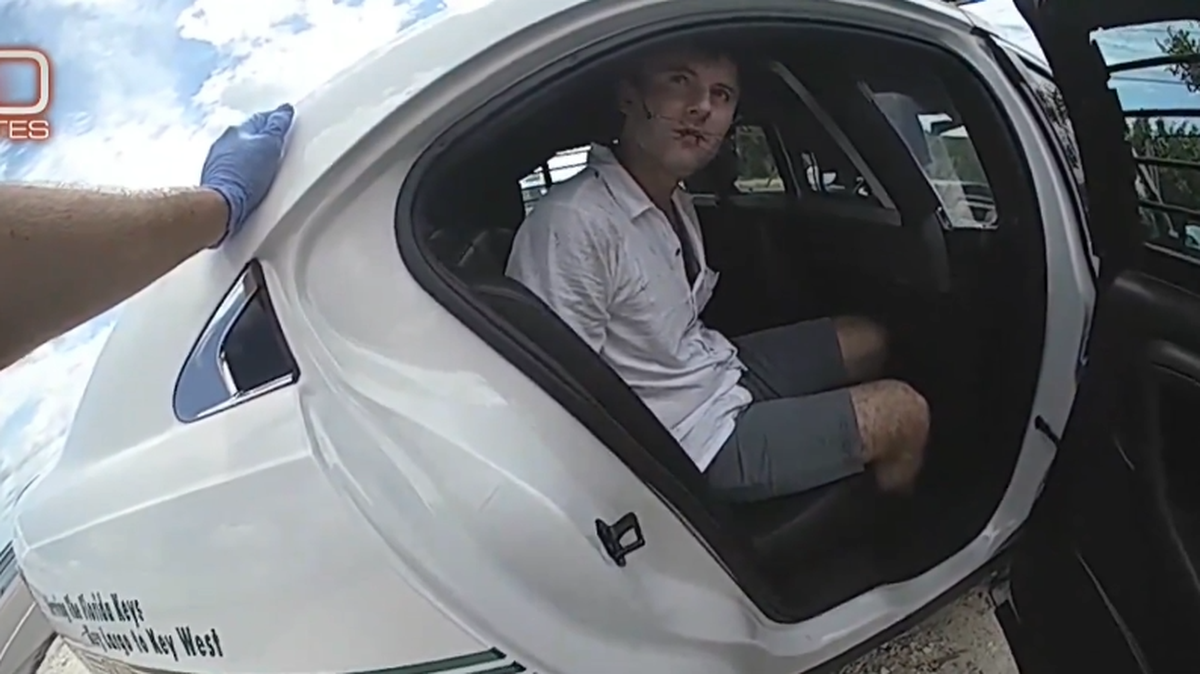
It turns out Russia, not Cuba, may be responsible for the mysterious injuries sustained by scores of American personnel and intelligence workers while serving on the island, abroad or at home, at least according to a recently aired “60 Minutes” report.
Maybe Moscow Syndrome, not Havana Syndrome, is a more fitting name for the untraceable sonic attacks on U.S. citizens and intelligence officials.
A five-year investigation by CBS News, “60 Minutes” and other media outlets offered evidence pointing to a secretive Russian military intelligence unit, referred to as the 29155, as being responsible. The former head of the Pentagon’s investigation told the show that he believes Russia was behind the attacks.
Many of the attacks involved diplomats working in Havana starting in 2016, thus the Havana Syndrome moniker. However, there have also been similar attacks in countries like Germany and Lithuania since 2014.
If the report is correct, does this absolve the Cuban government of taking part in what may be a new type of warfare?
Not exactly. Cuba and Russia are long-time allies in opposing U.S. influence. More investigation is still needed into what role, if any, Cuba played.
Cuba has denied involvement. Cuban diplomats and scientists have insisted that injuries are psychosomatic, a case of mass hysteria, or can be explained by pre-existing conditions.
Baloney.
The U.S. handling of the matter has been troubling at times. Back in March 2023, a U.S. intelligence report concluded that those who complained of headaches, nausea, migraines and head pressure were “unlikely victims” of covert attacks by a foreign adversary.
Now the man who led the probe says he believes the “U.S. is under attack” from Russia. He also revealed that many of those impacted by the attacks were U.S. intelligence personnel working on cases related to Russia.
At a White House briefing on Monday, reporters were told that the U.S. “is standing by the assessment” from the U.S. intelligence agencies.
Last month, the Miami Herald reported that under the Havana Act of 2021, the CIA made one-time payments of $187,300 in 2022 or $195,00 in 2023 to officers injured in Havana, Moscow, Vienna and other places “who demonstrated... brain injury.”
The U.S. isn’t saying Russia is to blame but, no matter who’s behind these incidents, it’s time to pay more attention to this type of attack. Havana Syndrome is particularly egregious because it moves the battleground into people’s homes and offices.
For years, U.S. intelligence struggled to determine who or what was causing Havana Syndrome. The symptoms suffered were strange and varied, making the attacks challenging to diagnose. Was it a sonic weapon? Microwaves?
Without a clear picture of the means and methods, identifying culprit was impossible.
Now, the “60 Minutes” investigation has turned up evidence pointing toward a specific Russian military intelligence unit.
The U.S. must not disregard such attacks.
Click here to send the letter.
BEHIND THE STORY
MOREWhat's an editorial?
Editorials are opinion pieces that reflect the views of the Miami Herald Editorial Board, a group of opinion journalists that operates separately from the Miami Herald newsroom. Miami Herald Editorial Board members are: opinion editor Amy Driscoll and editorial writers Isadora Rangel and Mary Anna Mancuso. Read more by clicking the arrow in the upper right.
What's the difference between an op-ed and a column?
How does the Miami Herald Editorial Board decide what to write about?
The Editorial Board, made up of experienced opinion journalists, primarily addresses local and state issues that affect South Florida residents. Each board member has an area of focus, such as education, COVID or local government policy. Board members meet daily and bring up an array of topics for discussion. Once a topic is fully discussed, board members will further report the issue, interviewing stakeholders and others involved and affected, so that the board can present the most informed opinion possible. We strive to provide our community with thought leadership that advocates for policies and priorities that strengthen our communities. Our editorials promote social justice, fairness in economic, educational and social opportunities and an end to systemic racism and inequality. The Editorial Board is separate from the reporters and editors of the Miami Herald newsroom.
How can I contribute to the Miami Herald Opinion section?
The Editorial Board accepts op-ed submissions of 650-700 words from community members who want to argue a specific viewpoint or idea that is relevant to our area. You can email an op-ed submission to oped@miamiherald.com. We also accept 150-word letters to the editor from readers who want to offer their points of view on current issues. For more information on how to submit a letter, go here.