
Florida voters, not politicians, should decide on recreational marijuana. Now they will | Opinion
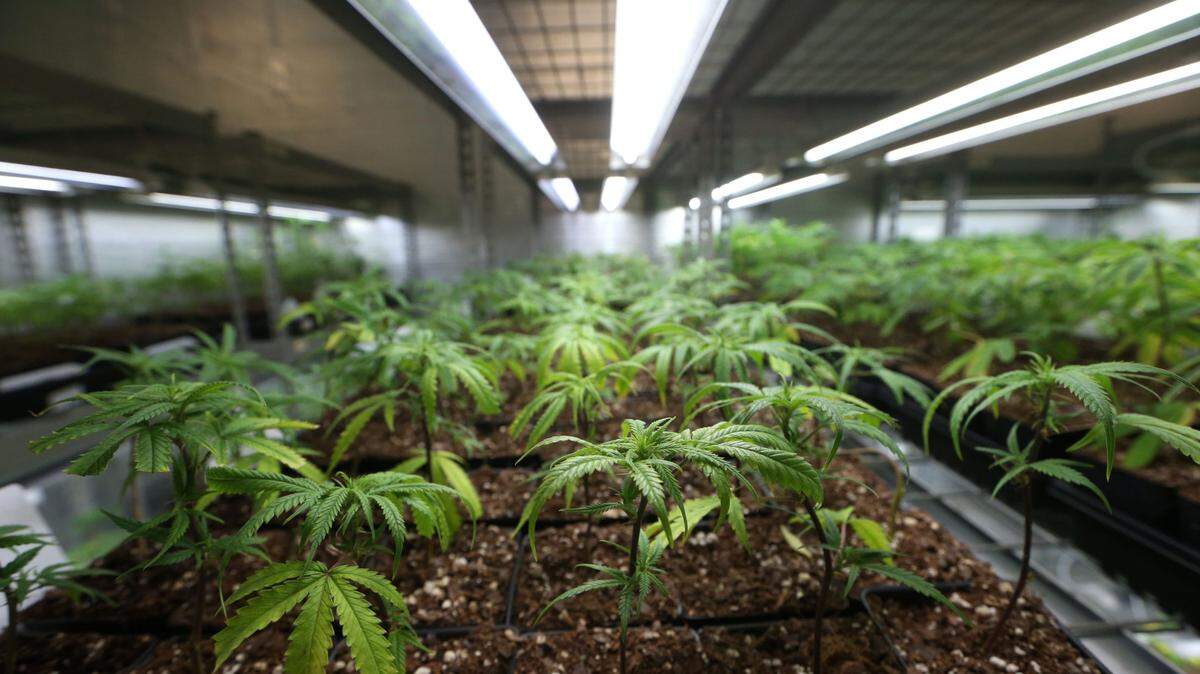
Florida has been inching toward this day: In November, voters will be able to decide whether they want to legalize recreational marijuana in the state for adults 21 and older.
It was time.
The decision to put the item on the 2024 ballot came as little surprise from the Florida Supreme Court, which reviews the wording of constitutional amendments. Florida Gov. Ron DeSantis had already signaled as much, saying as early as January that he thought the item would get onto the ballot.
Medical marijuana is already legal in Florida, and has been since 2016. Recreational marijuana is legal in 24 states plus the District of Colombia, as of February 2024, according to the Pew Research Center, and another 14 allow the drug for medical use only.
The court ruling Monday, which became almost a footnote after a high-profile abortion decision, found that the wording of proposed constitutional Amendment 3 was sufficiently clear for voters, removing the final barrier to putting the question on the November ballot.
The state stepped in when Florida Attorney General Ashley Moody urged the justices to reject the ballot summary language as misleading. The court rejected that argument, as it should have.
Floridians are familiar with this issue. In 2021, the court rejected another recreational marijuana initiative on grounds that the wording of the ballot summary did not address the contradiction with federal law.
This time around, the wording seems to do so pretty clearly, saying, in part, the measure “applies to Florida law.” Also, Americans have known for years now that marijuana laws vary from state to state. This is far from secret.
Times have changed. At the end of 2023, there were more than 800,000 medical marijuana cardholders in Florida.
If this measure passes in November, it would go into effect in May 2025.
Florida has made it harder and harder for citizen-led ballot initiatives like this one to actually reach voters, mostly for political reasons. In this particular case, Republicans may not want to see the issue on the ballot for fear that it will increase voter turnout for Democrats.
There is no guarantee that having marijuana on the ballot will help Democratic candidates, however. In 2020, Florida approved raising the state minimum wage while also voting for Donald Trump by larger margins than in 2016.
Whatever your feelings about recreational use of marijuana, the fact that this question will reach the ballot is a positive. Voters should decide issues like this, not politicians. In a state dominated by one party, that’s especially true.
Click here to send the letter.
BEHIND THE STORY
MOREWhat's an editorial?
Editorials are opinion pieces that reflect the views of the Miami Herald Editorial Board, a group of opinion journalists that operates separately from the Miami Herald newsroom. Miami Herald Editorial Board members are: opinion editor Amy Driscoll and editorial writers Isadora Rangel and Mary Anna Mancuso. Read more by clicking the arrow in the upper right.
What's the difference between an op-ed and a column?
How does the Miami Herald Editorial Board decide what to write about?
The Editorial Board, made up of experienced opinion journalists, primarily addresses local and state issues that affect South Florida residents. Each board member has an area of focus, such as education, COVID or local government policy. Board members meet daily and bring up an array of topics for discussion. Once a topic is fully discussed, board members will further report the issue, interviewing stakeholders and others involved and affected, so that the board can present the most informed opinion possible. We strive to provide our community with thought leadership that advocates for policies and priorities that strengthen our communities. Our editorials promote social justice, fairness in economic, educational and social opportunities and an end to systemic racism and inequality. The Editorial Board is separate from the reporters and editors of the Miami Herald newsroom.
How can I contribute to the Miami Herald Opinion section?
The Editorial Board accepts op-ed submissions of 650-700 words from community members who want to argue a specific viewpoint or idea that is relevant to our area. You can email an op-ed submission to oped@miamiherald.com. We also accept 150-word letters to the editor from readers who want to offer their points of view on current issues. For more information on how to submit a letter, go here.
This story was originally published April 1, 2024 at 4:19 PM.