
Florida’s anti-squatter law: Is the new GOP buzzword a distraction from housing crisis? | Opinion
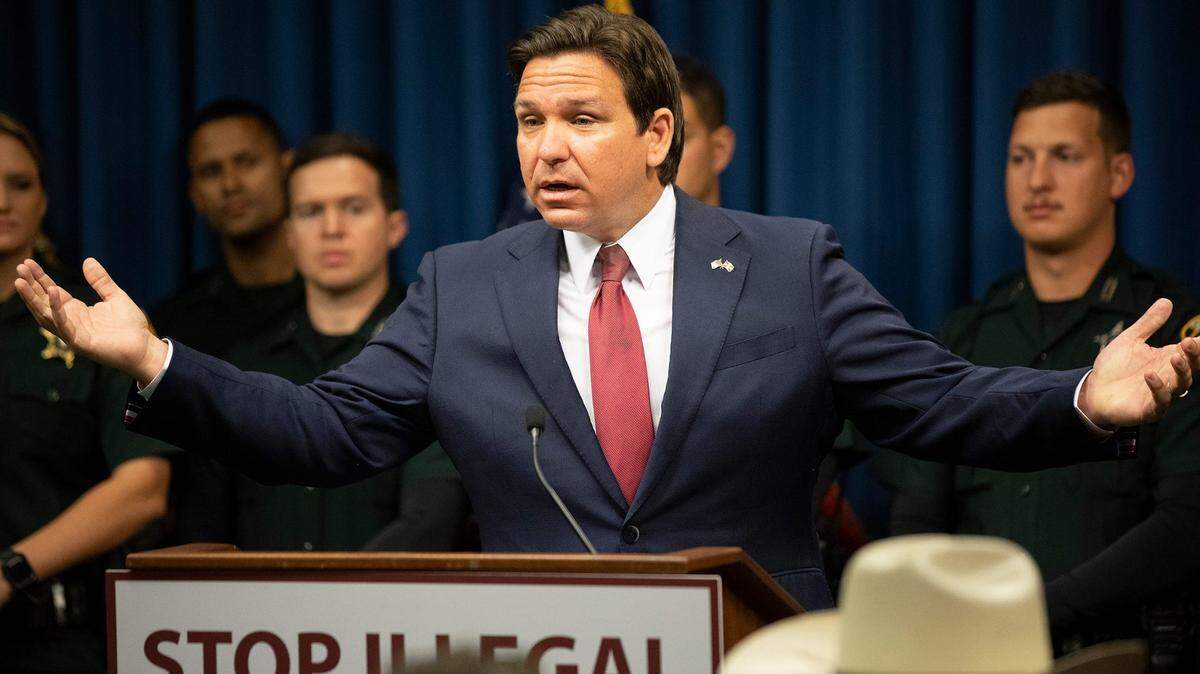
Florida passed a bill this legislative session to end “the squatter scam,” as Gov. Ron DeSantis put it when he signed the measure into law in Orlando. Florida’s not alone in this worry that strangers are taking over people’s homes; Georgia and New York have introduced anti-squatter legislation, too.
The Florida bill, HB 621, which will allow homeowners to quickly remove people who illegally occupy homes, won overwhelming, bi-partisan support in the House and Senate. Property rights, it seems, is one of those issues that can bridge the turbulent waters of partisan politics in Florida.
Is there really a crisis of squatters? DeSantis certainly seems to think so. A number of high-profile stories from around the country have surely helped to fuel that perception, whether true or not. The case of Patti Peeples in Jacksonville got a lot of attention when she said she tried to sell a rental home only to find people living in it. They presented her with a fake lease; she videoed her encounters and testified in Tallahassee about how hard it was to make them leave. No doubt that was very persuasive to lawmakers.
And then there’s social media, the place where so many fears are fanned these days. There have been reports of videos being posted — by a Venezuelan immigrant in Ohio — advising people on how to take “adverse possession” of an unoccupied property.
Property rights plus immigration? “Squatters rights”? It all plays to the favorite right-wing theme that America is under siege from leftists, immigrants and criminals. Stoking fear is a powerful way to drive up turnout in elections.
There has been some pushback. The Washington Post published a story Wednesday that cast doubt on whether there’s much of a crisis at all, saying experts called the situation “extremely rare.”
Florida’s law, which goes into effect July 1, allows for a fast removal of those who take possession of a home illegally but it also has some safeguards. It specifies that the unauthorized person or persons being removed “are not current or former tenants pursuant to a written or oral rental agreement authorized by the property owner,” wording that is supposed to prevent the law from being misused by unscrupulous landlords who could view it as a shortcut for the regular eviction process.
That has allayed some concerns about the law. Florida Rising, a voting rights and organizing group, initially opposed the bill but now is “neutral” on it. But Cynthia Laurent, a housing justice campaigner with the group, told the Miami Herald Editorial Board that she worries the law still has the potential to place some vulnerable people at risk of being wrongly evicted, such as those who have what she termed “non-traditional” lease agreements, living long-term in hotels and motels. Forcing them out, possibly into the streets, would harm both them and the community.
Lawmakers in Tallahassee may intend to keep landlord-tenant disputes separate but will that really happen when there’s an allegation of squatting?
When DeSantis signed the bill, he said homeowners dealing with squatters on their property would now be able to call the local sheriff “and remove the people who are inhabiting your dwelling illegally. And that will happen very quickly.”
But, as usual, he couldn’t leave it there. “What passes muster in New York and California is not passing muster here,” he said. “You are not going to be able to commandeer somebody’s private property and expect to get away with it. We are, in the state of Florida, ending the squatter scam once and for all.”
So is this about “liberal” states or a real issue? In a state like Florida, where rent and housing prices and the cost of insurance have become serious problems with no solution in sight, this may be mostly an attempt to distract us from focusing on what really needs fixing.
Click here to send the letter.
BEHIND THE STORY
MOREWhat's an editorial?
Editorials are opinion pieces that reflect the views of the Miami Herald Editorial Board, a group of opinion journalists that operates separately from the Miami Herald newsroom. Miami Herald Editorial Board members are: opinion editor Amy Driscoll and editorial writers Isadora Rangel and Mary Anna Mancuso. Read more by clicking the arrow in the upper right.
What's the difference between an op-ed and a column?
How does the Miami Herald Editorial Board decide what to write about?
The Editorial Board, made up of experienced opinion journalists, primarily addresses local and state issues that affect South Florida residents. Each board member has an area of focus, such as education, COVID or local government policy. Board members meet daily and bring up an array of topics for discussion. Once a topic is fully discussed, board members will further report the issue, interviewing stakeholders and others involved and affected, so that the board can present the most informed opinion possible. We strive to provide our community with thought leadership that advocates for policies and priorities that strengthen our communities. Our editorials promote social justice, fairness in economic, educational and social opportunities and an end to systemic racism and inequality. The Editorial Board is separate from the reporters and editors of the Miami Herald newsroom.
How can I contribute to the Miami Herald Opinion section?
The Editorial Board accepts op-ed submissions of 650-700 words from community members who want to argue a specific viewpoint or idea that is relevant to our area. You can email an op-ed submission to oped@miamiherald.com. We also accept 150-word letters to the editor from readers who want to offer their points of view on current issues. For more information on how to submit a letter, go here.
This story was originally published April 10, 2024 at 12:54 PM.