
Miami-Dade traffic is terrible. Are synchronized lights finally coming? | Opinion
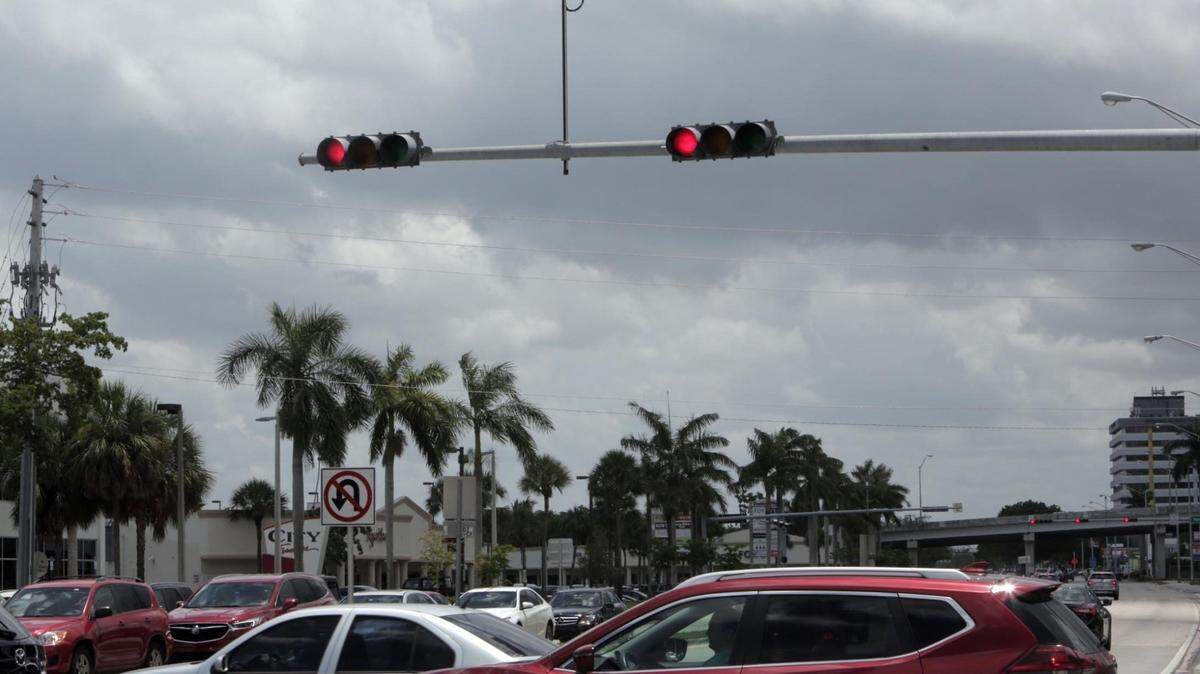
Miami-Dade residents have endured seemingly endless traffic gridlock and frustration for many years. Synchronized traffic lights could help but that fix has been elusive. And now there’s another hitch.
First promised to voters over 20 years ago as part of the county’s controversial half-percent transportation sales tax, computerized “smart lights” were supposed to cut down on congestion. But as commuters can no doubt attest, that hasn’t happened.
This week, the county revealed that Yunex Traffic, the company hired in 2020, has fallen behind in its work on the county’s 2,900 traffic intersections. It turns out Yunex has installed smart controllers at just 790 intersections — far from the target of 1,500 by the spring of 2024, according to a memo from Miami-Dade Mayor Daniella Levine Cava. The company failed to deliver needed software, too.
On Tuesday, the county said it would terminate its contract with Yunex. A new company will be coming in to finish the project, which — assuming that company actually does the job — is good news for drivers.
Levine Cava, facing an election this year, appears to be on a mission to address at least some long-ignored issues in the county. Last month, she began eviction proceedings with the company that runs Miami Seaquarium. Prior to that, she ended her support for the controversial Miami Wilds project near Zoo Miami. And she has proposed a $2.5 billion general obligation bond to pay for sewers, housing and resiliency efforts.
Pushing forward on smart traffic signals is another long-delayed issue that desperately needs fixing. Yunex won the $160 million contract four years ago; the county has already paid out $18 million.
Commissioners agreed this week to have Levine Cava negotiate a deal with a replacement company, Horsepower Electric, the Hialeah company that finished second in the bidding contest for the county contract in 2020. The estimated cost for the new deal with Horsepower — plus the software — is about $175 million. The county estimated the system and software could be installed within 18 months after approval later this year.
Rather than continuing down the same unproductive path, the mayor told commissioners she was willing to start fresh if that’s what it takes to tackle one of the most persistent problems in the county: our misery-inducing traffic.
Glad to hear it. Even though we talk a lot about Interstate 95 and the Palmetto Expressway traffic, it’s not just highways that are problem. As the Miami Herald reported, a 2023 county report found that 22% of our intersections had faulty mechanisms that are supposed to trigger an accelerated green light when a vehicle pulls up.
Taxpayers expect and deserve to see their transportation dollars properly spent to ease the daily struggle of driving in Miami. “It’s about time we start delivering for our residents,” Commissioner Kevin Cabrera said ahead of the vote. “It’s about time we start fixing things instead of talking about them.”
Getting the smart traffic light system right is crucial to Miami-Dade’s quality of life and economic competitiveness.
We know more traffic improvements are included in the SMART plan. Remember the SMART Plan? That’s the plan adopted in 2016 by the Miami-Dade Transportation Planning Organization’s governing board to help alleviate our traffic problems. We’re still waiting.
That, too, was an election-time promise, unveiled during Miami-Dade Mayor Carlos Gimenez’s reelection campaign.
But here we are in 2024. If the county succeeds — finally — in getting the smart light system functioning, it will be a major milestone for this community. Our traffic has been bad for so long, it would feel like a minor miracle if it actually improved.
Click here to send the letter.
BEHIND THE STORY
MOREWhat's an editorial?
Editorials are opinion pieces that reflect the views of the Miami Herald Editorial Board, a group of opinion journalists that operates separately from the Miami Herald newsroom. Miami Herald Editorial Board members are: opinion editor Amy Driscoll and editorial writers Isadora Rangel and Mary Anna Mancuso. Read more by clicking the arrow in the upper right.
What's the difference between an op-ed and a column?
How does the Miami Herald Editorial Board decide what to write about?
The Editorial Board, made up of experienced opinion journalists, primarily addresses local and state issues that affect South Florida residents. Each board member has an area of focus, such as education, COVID or local government policy. Board members meet daily and bring up an array of topics for discussion. Once a topic is fully discussed, board members will further report the issue, interviewing stakeholders and others involved and affected, so that the board can present the most informed opinion possible. We strive to provide our community with thought leadership that advocates for policies and priorities that strengthen our communities. Our editorials promote social justice, fairness in economic, educational and social opportunities and an end to systemic racism and inequality. The Editorial Board is separate from the reporters and editors of the Miami Herald newsroom.
How can I contribute to the Miami Herald Opinion section?
The Editorial Board accepts op-ed submissions of 650-700 words from community members who want to argue a specific viewpoint or idea that is relevant to our area. You can email an op-ed submission to oped@miamiherald.com. We also accept 150-word letters to the editor from readers who want to offer their points of view on current issues. For more information on how to submit a letter, go here.