
Florida is famous for open government. Why’s DeSantis fighting to keep records secret? | Opinion
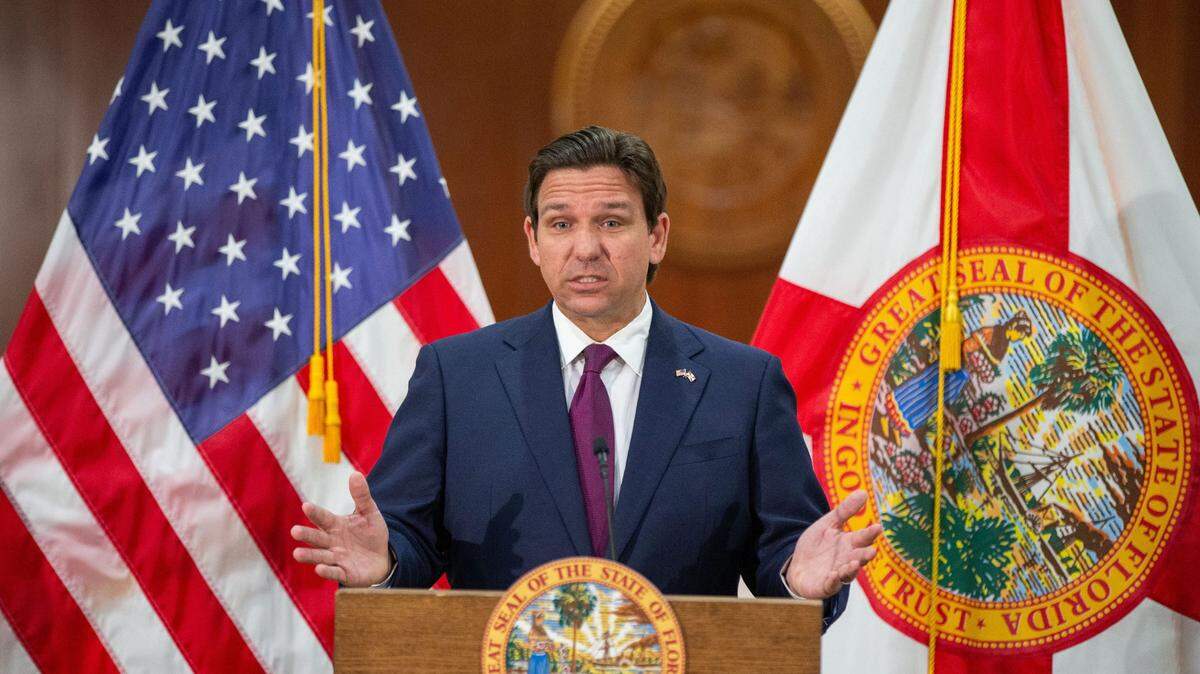
Last year, when the Florida Legislature passed a law restricting public access to Gov. Ron DeSantis’ travel records, we called it an assault on transparency in government.
That still holds true. How can Floridians hold this governor, or those who follow, accountable for their actions if we aren’t allowed to know about trips that are taxpayer-funded and even on state planes? Keeping that information secret undermines trust in government and throws open the door to potential abuses.
Now a lawsuit, brought by the Washington Post in Leon County and challenging the constitutionality of the travel-records law, has brought to light allegations that only make the case for disclosure stronger — while also making us wonder why the governor is trying so hard to keep his travel information secret.
Such concerns are particularly relevant this week, which happens to be Sunshine Week, held March 10-16. This is the time of year we celebrate the public’s right to know and we advocate for government transparency. As this case highlights, those are concepts the DeSantis administration seems increasingly determined to ignore. The administration has been slow-walking public records requests for years. Florida is known for its Sunshine Law, the cornerstone of our open government, but that distinction is eroding under this governor.
In the travel records case, top aides for DeSantis allegedly stopped the release of his taxpayer-funded travel records even though the Florida Department of Law Enforcement said releasing the records posed no risk to DeSantis. That’s according to sworn statements from two former FDLE officials, as first reported by the Washington Post.
Former FDLE chief of staff Shane Desguin alleged in court documents that DeSantis officials stopped the release of about 600 records that would have told the public who traveled with the governor on the state plane and where it went.
The administration apparently then retaliated against those within government who advocated for making the records public, according to court records. As the Miami Herald reported on the court case: “When Desguin and other officials pushed back on the decision, one was denied a promotion, another was placed on leave and Desguin was forced to resign, he and his former deputy chief of staff alleged.”
When the law was passed last year, the main reason given was the governor’s security. Even though other governors’ administrations had made travel records public, DeSantis’ travel was, apparently, special — perhaps because he was planning a run for president, although presumably he would have qualified for Secret Service protection at some point.
At the time, the governor told Politico that, although the measure may not have been his idea, he was getting frequent threats.
Florida lawmakers, no doubt enamored of the idea that a DeSantis presidency might offer long coattails, decided to give their rising political star the equivalent of a cloak of invisibility, keeping his travel records out of the public eye. DeSantis, of course, signed the bill into law.
So much for Florida’s long history of government in the sunshine, which goes all the way back to 1967 and beyond.
Florida’s open-government laws are under attack, as we have noted for years. This case is simply one more piece of evidence that a place once known for its sunshine is increasingly embracing the shadows.
When legislators last year granted the governor such broad secrecy, they made our problems worse. They also did taxpayers a serious disservice. Floridians should know what their governor is up to. Any exceptions to that should be narrow, not a blanket excuse.
Secrecy is bad for trust in government. It erodes faith in elected officials and public institutions. It offers one more reason for voters to check out and stop caring, and that’s bad for democracy.
The cure for those problems? Open records, more scrutiny and, yes, more sunshine.

Click here to send the letter.
BEHIND THE STORY
MOREWhat's an editorial?
Editorials are opinion pieces that reflect the views of the Miami Herald Editorial Board, a group of opinion journalists that operates separately from the Miami Herald newsroom. Miami Herald Editorial Board members are: opinion editor Amy Driscoll and editorial writers Isadora Rangel and Mary Anna Mancuso. Read more by clicking the arrow in the upper right.
What's the difference between an op-ed and a column?
How does the Miami Herald Editorial Board decide what to write about?
The Editorial Board, made up of experienced opinion journalists, primarily addresses local and state issues that affect South Florida residents. Each board member has an area of focus, such as education, COVID or local government policy. Board members meet daily and bring up an array of topics for discussion. Once a topic is fully discussed, board members will further report the issue, interviewing stakeholders and others involved and affected, so that the board can present the most informed opinion possible. We strive to provide our community with thought leadership that advocates for policies and priorities that strengthen our communities. Our editorials promote social justice, fairness in economic, educational and social opportunities and an end to systemic racism and inequality. The Editorial Board is separate from the reporters and editors of the Miami Herald newsroom.
How can I contribute to the Miami Herald Opinion section?
The Editorial Board accepts op-ed submissions of 650-700 words from community members who want to argue a specific viewpoint or idea that is relevant to our area. You can email an op-ed submission to oped@miamiherald.com. We also accept 150-word letters to the editor from readers who want to offer their points of view on current issues. For more information on how to submit a letter, go here.