
Is Florida’s surgeon general trying to worsen a measles outbreak? Sure seems like it | Opinion
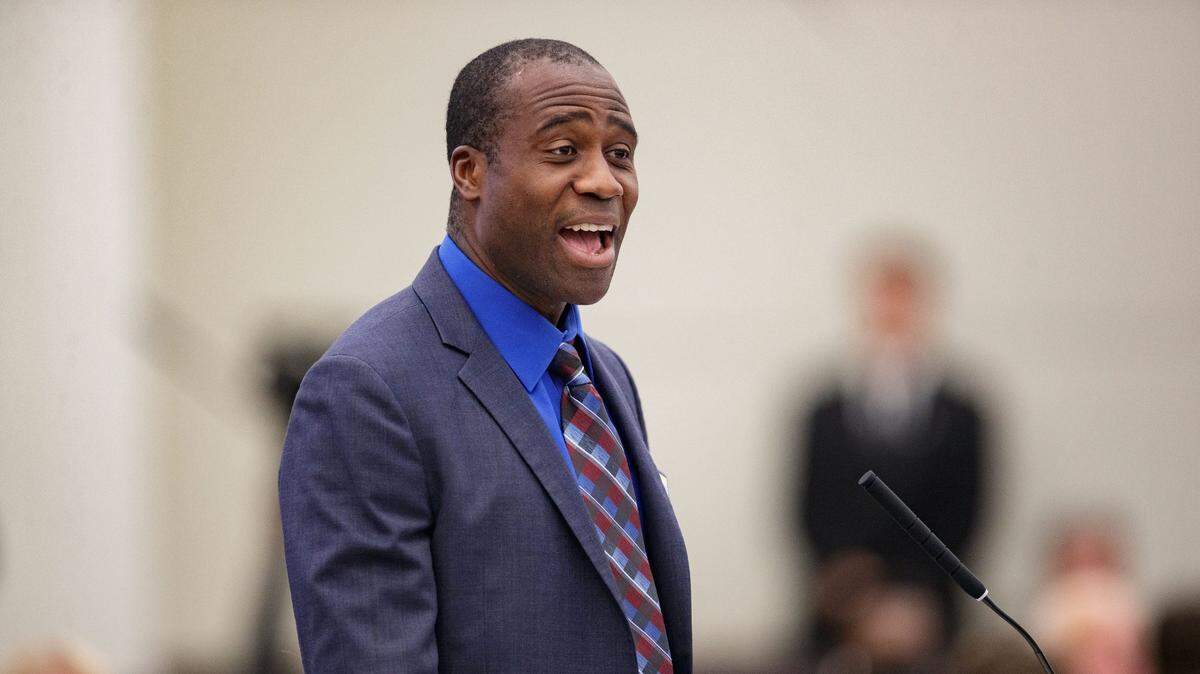
Is there one mainstream piece of public health advice — no matter how long-standing — that Florida’s top doctor won’t buck?
Joseph Ladapo, Gov. Ron DeSantis’ anti-vaxx surgeon general, has spread misinformation about COVID-19 and has advised against coronavirus vaccines, citing debunked claims.
Perhaps Ladapo saw, in the novelty and divisiveness of the pandemic, an opportunity to become the go-to, Ivy League-educated doctor for vaccine deniers. Now, he’s turned his focus to a long-known virus — up until now, largely non-controversial, but highly contagious and dangerous for children: measles.
Cases confirmed
Following an outbreak at Manatee Bay Elementary in Weston, where six measles cases were confirmed last week, Ladapo sent a letter to parents that pediatricians, immunologists and infectious disease experts have criticized. The letter acknowledged what has been common practice to contain measles outbreaks — that unvaccinated children or those without immunity should remain home during the incubation period of the virus, or up to 21 days.
Ladapo, then, however, wrote that, “due to the high immunity rate in the community,” the Department of Health “is deferring to parents or guardians to make decisions about school attendance.”
This should have been Ladapo’s opportunity to tell parents, “Get your children vaccinated — now!”
The MMR vaccine, approved by the federal government more than 50 years ago, offers 98% protection against measles after two full doses. That’s a widely known statistic that not even Ladapo can deny — he acknowledges it in his letter but stops short of recommending the vaccines.
Since Ladapo’s letter, the number of confirmed cases climbed to eight in Broward County, as of Monday.
Not immunized
Instead, Florida’s top doctor is telling parents it’s OK to send kids to school sans immunization, even though they could contract a potentially lethal virus or spread it to others who are also not immunized. Worse, the Broward County school outbreak could spread to other communities. The measles virus can live on surfaces or in the air for up to two hours after an infected person coughs or sneezes.
Ladapo’s letter even notes that “up to 90% of individuals without immunity will contract measles if exposed.” But he knows the administration he works for. Advising children without immunity to stay home would certainly be a bad look for DeSantis, who made his anti-lockdown stance a hallmark of his response to the COVID-19 pandemic and political brand.
Can you imagine the headlines on Fox News calling the DeSantis administration a Dr. Fauci sellout?
Surge in cases
The U.S. declared measles eliminated in 2000 but, in past years, cases have begun to surge, largely because of lower vaccination rates.
Most of the 23 measles cases the Centers for Disease Control and Prevention identified in the country between December and January were among teens and children who had not been vaccinated.
The vaccine skepticism that gained force during the pandemic, thanks in part to public figures like DeSantis and Ladapo, is a threat to not only public-health efforts to keep COVID at bay but other diseases we thought belonged in a bygone era.
In his letter, Ladapo mentions the “cost of healthy children missing school,” but what about the cost of treating a sick child from a disease so easily prevented?
At-home learning
Broward County Public Schools, by the way, has offered parents at Manatee Bay Elementary at-home learning options, the Sun Sentinel reported.
Ladapo left at least some hope that common sense might prevail at some point, writing that his “recommendation may change as epidemiological investigations continue.”
But can Floridians trust that our surgeon general will put decades of public-health guidance above his own ambitions and that of a state government that politicized a pandemic that killed tens of thousands of Floridians?
We’ll have to see it to believe it.
Editor’s note: This editorial has been updated to reflect the accurate number of people who died from COVID-19 in Florida.
Click here to send the letter.
BEHIND THE STORY
MOREWhat's an editorial?
Editorials are opinion pieces that reflect the views of the Miami Herald Editorial Board, a group of opinion journalists that operates separately from the Miami Herald newsroom. Miami Herald Editorial Board members are: opinion editor Amy Driscoll and editorial writers Isadora Rangel and Mary Anna Mancuso. Read more by clicking the arrow in the upper right.
What's the difference between an op-ed and a column?
How does the Miami Herald Editorial Board decide what to write about?
The Editorial Board, made up of experienced opinion journalists, primarily addresses local and state issues that affect South Florida residents. Each board member has an area of focus, such as education, COVID or local government policy. Board members meet daily and bring up an array of topics for discussion. Once a topic is fully discussed, board members will further report the issue, interviewing stakeholders and others involved and affected, so that the board can present the most informed opinion possible. We strive to provide our community with thought leadership that advocates for policies and priorities that strengthen our communities. Our editorials promote social justice, fairness in economic, educational and social opportunities and an end to systemic racism and inequality. The Editorial Board is separate from the reporters and editors of the Miami Herald newsroom.
How can I contribute to the Miami Herald Opinion section?
The Editorial Board accepts op-ed submissions of 650-700 words from community members who want to argue a specific viewpoint or idea that is relevant to our area. You can email an op-ed submission to oped@miamiherald.com. We also accept 150-word letters to the editor from readers who want to offer their points of view on current issues. For more information on how to submit a letter, go here.
This story was originally published February 23, 2024 at 2:39 PM.