
DeSantis cleans up after Florida book bans — by scapegoating someone else | Opinion
Florida Gov. Ron DeSantis isn’t happy with the implementation of the parental rights laws he’s signed in the past two years. In a Thursday news conference, in which he vented about political ”theater,” a “big fraud” and a “big hoax” about books being banned, he blamed everyone but himself.
Fresh off his defeat on the presidential trail, the governor needs a new bone to pick. This time, it’s what he calls a “fake” narrative pushed by the media and school districts about the impacts of his signature laws that made it easier for people to challenge school materials and lessons.
It is no “hoax” that schools are doing exactly what critics warned they would do: overreact and self-censor to comply with vaguely worded policies. As the Herald reported last week, Miami-Dade County’s school district has begun asking for parental consent slips — used occasionally in the past — for all sorts of activities, from club meetings and events to guest speakers.
At iPrep Academy in Miami, parents had to allow their children to participate in Black History Month events. At Palmetto Middle School, students needed parental consent to watch a lecture by known Black historian Marvin Dunn, who spoke at the Pinecrest school two years ago without such red tape.
DeSantis called the permission slips “absurd” — “nothing in state [law] requires that,” he said. The Department of Education wrote a letter telling school officials to “knock it off,” he said.
Such absurdity has only happened because DeSantis and Republican lawmakers instilled fear in principals and teachers that a parent may file a complaint that puts their jobs in jeopardy. While such complaints might turn out to be meritless, just their possibility creates a chilling effect.
That’s why the governor’s public-relations effort to paint the consequences of his own policies as a “hoax” feels disingenuous.
To make his case, DeSantis’ press conference included a presentation of books once allowed in schools that contained graphic images and descriptions of sex. Education Commissioner Manny Diaz Jr., a former state senator from Hialeah, mentioned an Associated Press fact check that found the state did not ban the classic “To Kill a Mockingbird.” Palm Beach County’s district temporarily pulled the book for a review but later reinstated it.
That’s only part of the story. DeSantis conveniently leaves out several instances of books being removed, temporarily or permanently, or restricted simply because they cause discomfort with a small number of people responsible for challenging them.
Last year, a Miami Lakes school prohibited elementary-aged students from accessing the poem recited at President Joe Biden’s inauguration, along with three books, after a parent filed a complaint that referenced critical race theory, indoctrination and gender ideology — terms that could have easily come out of DeSantis’ mouth. The school district in Escambia County, in the Panhandle, is facing a federal lawsuit that alleges book removals target certain viewpoints. Escambia schools pulled 1,600 books, including five dictionaries, in January to ensure they meet new state requirements. Last March, Martin County Public Schools on the Treasure Coast removed dozens of titles from its shelves.
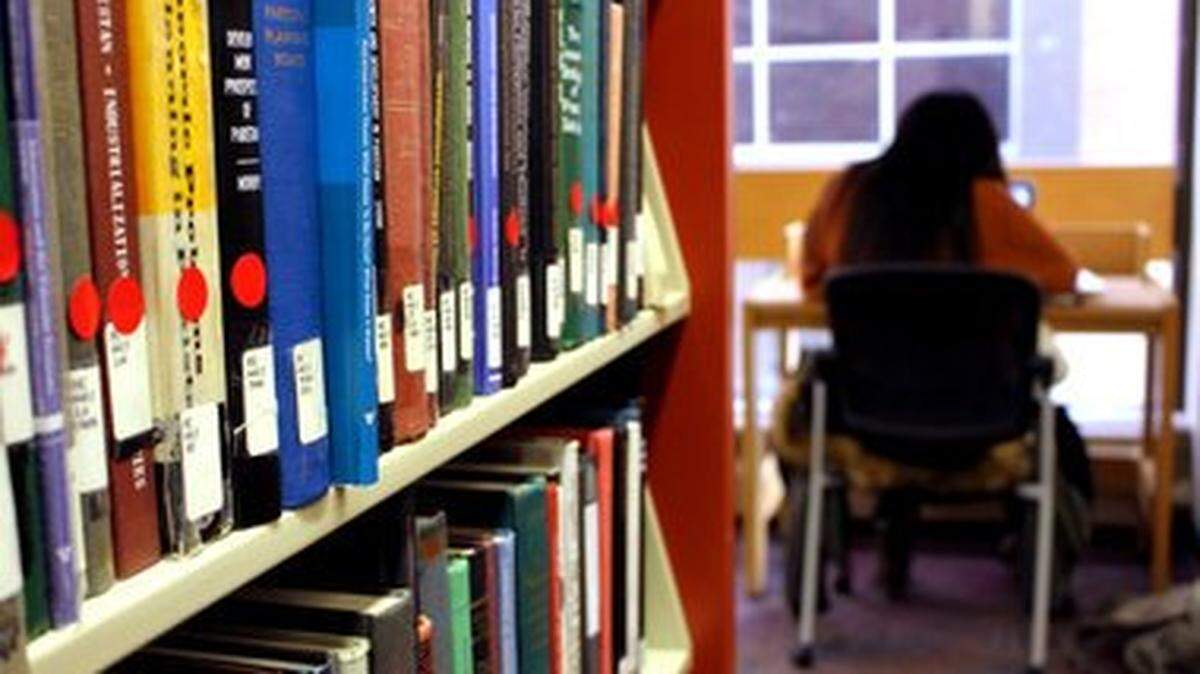
Florida leads the nation in the number of books pulled from public school shelves. The group PEN America found that 1,400 titles were removed between July 2022 and July 2023. The state might not have directly ordered their removal, but DeSantis is responsible for them.
In an indirect way, DeSantis recognized his policies have gotten out hand. He touted a bill going through the 2024 legislative session to curb challenges from people who don’t have children at the school where they are lodging their objections.
Yet, after signing laws that left local school officials scrambling to figure out what they meant, DeSantis now wants to scapegoat them. He said he’s directed the Florida Department of Education to craft rules to hold educators accountable if they go beyond what state law requires them to do.
It is the state that should be held accountable, but don’t expect that from the governor.
Click here to send the letter.
BEHIND THE STORY
MOREWhat's an editorial?
Editorials are opinion pieces that reflect the views of the Miami Herald Editorial Board, a group of opinion journalists that operates separately from the Miami Herald newsroom. Miami Herald Editorial Board members are: opinion editor Amy Driscoll and editorial writers Isadora Rangel and Mary Anna Mancuso. Read more by clicking the arrow in the upper right.
What's the difference between an op-ed and a column?
How does the Miami Herald Editorial Board decide what to write about?
The Editorial Board, made up of experienced opinion journalists, primarily addresses local and state issues that affect South Florida residents. Each board member has an area of focus, such as education, COVID or local government policy. Board members meet daily and bring up an array of topics for discussion. Once a topic is fully discussed, board members will further report the issue, interviewing stakeholders and others involved and affected, so that the board can present the most informed opinion possible. We strive to provide our community with thought leadership that advocates for policies and priorities that strengthen our communities. Our editorials promote social justice, fairness in economic, educational and social opportunities and an end to systemic racism and inequality. The Editorial Board is separate from the reporters and editors of the Miami Herald newsroom.
How can I contribute to the Miami Herald Opinion section?
The Editorial Board accepts op-ed submissions of 650-700 words from community members who want to argue a specific viewpoint or idea that is relevant to our area. You can email an op-ed submission to oped@miamiherald.com. We also accept 150-word letters to the editor from readers who want to offer their points of view on current issues. For more information on how to submit a letter, go here.