
Miami, do the right thing and start over on land deal that landed commissioner in jail | Opinion
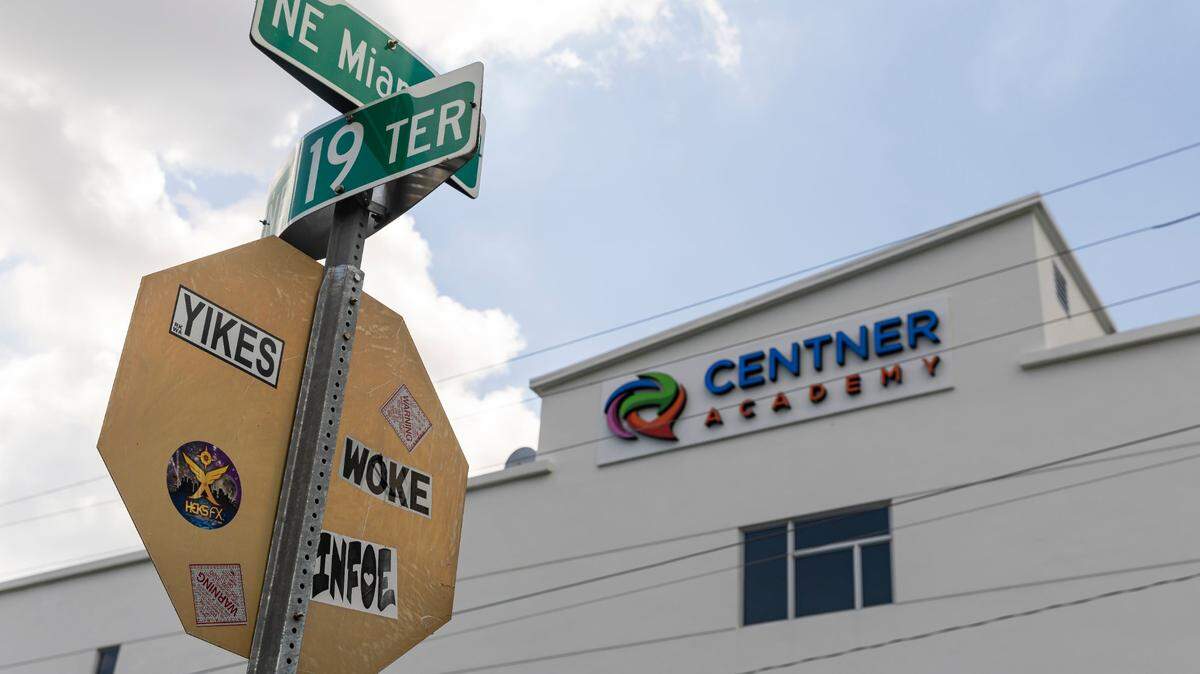
There’s a cloud of suspicion called Alex Diaz de la Portilla hanging over the city of Miami’s land deal with a private school. The City Commission, stewards of taxpayer dollars, should at the very least put the agreement on hold — or kill it.
The contract to build an athletic facility is at the center of a law enforcement investigation that led to the arrest of Diaz de la Portilla and a lobbyist hired by the wealthy couple that owns the Centner Academy. Diaz de la Portilla, a former commissioner, is innocent until proven guilty — and he is vehemently fighting the case, calling his arrest politically motivated. Yet the potential that the contract has been tainted by wrongdoing should be enough to prompt Miami to start from scratch the process of identifying the right use for the property.
If not, and the charges of bribery and money laundering against Diaz de la Portilla are proven, Miami would have a sports complex to remind citizens how corrupt the city can be.
As the Herald reported this week, Diaz de la Portilla’s successor, Commissioner Miguel Gabela, has proposed canceling the deal the commission approved in 2022. The agreement calls for using city-owned property, called Biscayne Park, for an indoor athletic facility in exchange for a $10 million investment by David and Leila Centner in the project. The Centner Academy would have the right to reserve up to two-thirds of the facility during school hours and one-third of the facility during other times, with continuous public access to the unreserved portions.
Prosecutors allege that the Centners funneled money through their lobbyist, Bill Riley, to Diaz de la Portilla to secure his vote in favor of the project. The Centners have not been charged and deny doing anything wrong.
Diaz de la Portilla told the Herald this is “one of the best deals the City of Miami has made over the last 3 decades to add and [increase] green space.” But parents of iPrep Academy, a pre-K-12 public school in downtown, are lobbying the city to revive a previous proposal for the land.
Prosecutors say that previous proposal, a partnership between the city and Miami-Dade County Public Schools, used to be a priority for the Omni Community Redevelopment Agency. It would have used city land to replace iPrep’s building, double the number of students it could serve and provide workforce housing for teachers.
The project, however, “stalled” after Diaz de la Portilla took over as chairman of the Omni CRA in 2020, a former Omni executive director told investigators, according to an arrest affidavit. Jason Walker also told investigators that Diaz de la Portilla introduced resolutions supporting the Centner Academy project without consulting the agency’s staff.
Meanwhile, the affidavit alleges, Riley, the Centners’ lobbyist, sought to funnel hundreds of thousands of dollars to political committees secretly controlled by Diaz de la Portilla. The former commissioner denies sidelining iPrep.
Fishy, right?
These are, of course, accusations that have yet to be proven in court. But does the Miami City Commission want to move forward with a project so intricately tied to the city’s largest scandal in recent times?
If the Centner Academy proposal is indeed good for the city — though there are legitimate questions about whether allowing a private entity to use taxpayer property is a good idea — then let the Centners make their case again.
A contingent of Centner Academy supporters swarmed City Hall last month pleading for the commission to keep the deal in place. They say the project will protect children from the risks of outdoor physical activity and crime. They convinced Gabela to postpone his proposal to terminate the deal, which is now scheduled for March.
In response, iPrep parents have mounted their own campaign, including an online petition, a website and t-shirts emblazoned with “Public land for public schools.” These parents, too, deserve a fair shake.
In a city that desperately needs to regain trust from its citizens, common sense should make this an easy decision for the City Commission: Terminate the Centner deal and start again.
Correction: A previous version of this editorial incorrectly stated that Centner Academy would have the exclusive right to use the sports facility at certain times of the week. Under the license agreement, the school would have had the right to reserve up to two-thirds of the facility during school hours and one-third of the facility during other times, with continuous public access to the unreserved portions.

Click here to send the letter.
BEHIND THE STORY
MOREWhat's an editorial?
Editorials are opinion pieces that reflect the views of the Miami Herald Editorial Board, a group of opinion journalists that operates separately from the Miami Herald newsroom. Miami Herald Editorial Board members are: opinion editor Amy Driscoll and editorial writers Isadora Rangel and Mary Anna Mancuso. Read more by clicking the arrow in the upper right.
What's the difference between an op-ed and a column?
How does the Miami Herald Editorial Board decide what to write about?
The Editorial Board, made up of experienced opinion journalists, primarily addresses local and state issues that affect South Florida residents. Each board member has an area of focus, such as education, COVID or local government policy. Board members meet daily and bring up an array of topics for discussion. Once a topic is fully discussed, board members will further report the issue, interviewing stakeholders and others involved and affected, so that the board can present the most informed opinion possible. We strive to provide our community with thought leadership that advocates for policies and priorities that strengthen our communities. Our editorials promote social justice, fairness in economic, educational and social opportunities and an end to systemic racism and inequality. The Editorial Board is separate from the reporters and editors of the Miami Herald newsroom.
How can I contribute to the Miami Herald Opinion section?
The Editorial Board accepts op-ed submissions of 650-700 words from community members who want to argue a specific viewpoint or idea that is relevant to our area. You can email an op-ed submission to oped@miamiherald.com. We also accept 150-word letters to the editor from readers who want to offer their points of view on current issues. For more information on how to submit a letter, go here.
This story was originally published February 8, 2024 at 6:07 PM.