
Florida lawmakers should pass bill that could open Jeffrey Epstein’s grand jury records | Opinion
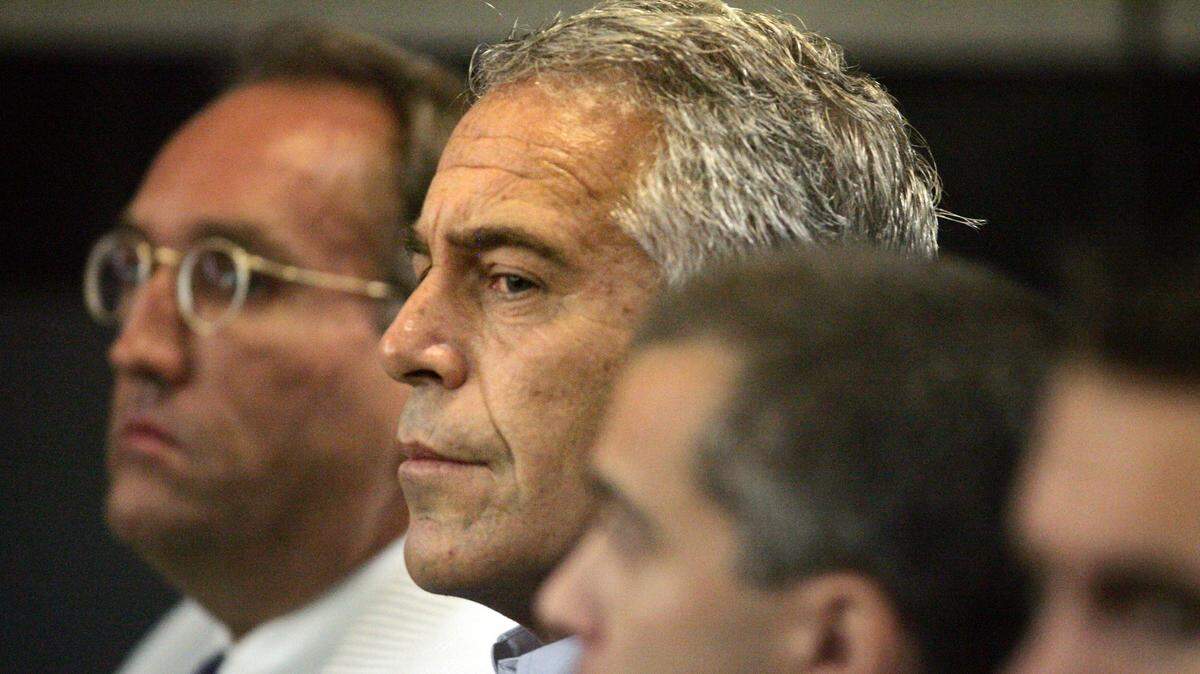
One more batch of sealed court records must be made public in Florida to fully understand how Jeffrey Epstein, a politically-connected Palm Beach millionaire, was able to operate a sex-trafficking ring and abuse underage girls with impunity.
A bill in the Legislature, HB 117, sponsored by Rep. Peggy Gossett-Seidman, R-Highland Beach, and SB 234 co-sponsored in the Senate by Sen. Tina Polsky, D-Boca Raton, seeks to encourage the release of Epstein grand jury evidence from 2006 by expanding the circumstances under which such records can be made public.
“Florida has a chance to fill the missing chapters of the story,” said Gossett-Seidman. The bill is currently in the House’s Criminal Justice Subcommittee.
Did money, influence or prosecutorial misconduct play a role in allowing Epstein to continue to lure victims long after the grand jury took testimony? The victims deserve to have the full facts out in the open. So does the public.
Epstein initially faced allegations of sex crimes against minors in Palm Beach in 2005. By 2006, the FBI and U.S. Attorney’s Office in Miami had taken over the investigation, prompted by public criticism from then-Palm Beach police chief Michael Reiter regarding the handling of the case by Barry Krischer, the state attorney for Palm Beach County at the time.
Reiter told the Editorial Board that he supports opening grand jury records. He remains troubled by the handling of Epstein’s case by Palm Beach prosecutors.
“The bill in the Florida Legislature that would make the Epstein grand jury record public should be passed and enacted, “ Reiter said. “These records are some of the last documents that could explain why Epstein was treated so minimally in the Palm Beach prosecution.”
Back in 2006, federal investigators had identified over 30 alleged underage victims and crafted a 53-page indictment against Epstein, carrying the potential for decades of imprisonment upon conviction. In the end, though, Epstein was allowed to enter into an agreement that meant he served just 13 months of an 18-month sentence, with lenient work release privileges enabling him to spend up to 16 hours a day at a West Palm Beach office building and his home in Palm Beach.
The sweetheart deal for Epstein was approved by Alexander Acosta, the U.S. attorney in Miami at the time. His role in the plea deal eventually led to his resignation as U.S. labor secretary in the Trump administration.
Epstein was arrested on federal sex-trafficking charges in 2019, after Miami Herald reporter Julie Brown’s investigation, Perversion of Justice. Epstein committed suicide in a New York prison before being tried.
“By enacting this legislation, it forces the criminal justice system to learn from the failures of this case and reduce the chance something like this will ever happen again, “ Reiter said.
The legislative proposal would open up the possibility disclosing the grand jury records in the Epstein case by allowing the disclosures under certain circumstances: when the subject of the inquiry is dead, the inquiry is related to criminal or sexual activity with a minor, and the testimony was previously disclosed by a court order.
Enough with the secrecy in this case. The Miami Herald has sued to release other records, with thousands of documents released last year. The Palm Beach Post has also sued to get the documents released. The release of all the records is a matter of public interest and could help prevent similar injustices in the future.
It’s possible there is new information in those files, too. Did Palm Beach prosecutors, on Epstein’s behalf, somehow mislead or constrain the grand jury? If so, that’s an abuse of power that must be exposed, Reiter says.
Without access to the full record of what happened in the now-notorious Epstein case, the public’s faith in the judicial system is at risk.
The Florida Legislature should pass this bill and allow the public to see the whole truth about this disturbing case. And then maybe we can finally close the book on despicable Jeffrey Epstein.
Click here to send the letter.
BEHIND THE STORY
MOREWhat's an editorial?
Editorials are opinion pieces that reflect the views of the Miami Herald Editorial Board, a group of opinion journalists that operates separately from the Miami Herald newsroom. Miami Herald Editorial Board members are: opinion editor Amy Driscoll and editorial writers Isadora Rangel and Mary Anna Mancuso. Read more by clicking the arrow in the upper right.
What's the difference between an op-ed and a column?
How does the Miami Herald Editorial Board decide what to write about?
The Editorial Board, made up of experienced opinion journalists, primarily addresses local and state issues that affect South Florida residents. Each board member has an area of focus, such as education, COVID or local government policy. Board members meet daily and bring up an array of topics for discussion. Once a topic is fully discussed, board members will further report the issue, interviewing stakeholders and others involved and affected, so that the board can present the most informed opinion possible. We strive to provide our community with thought leadership that advocates for policies and priorities that strengthen our communities. Our editorials promote social justice, fairness in economic, educational and social opportunities and an end to systemic racism and inequality. The Editorial Board is separate from the reporters and editors of the Miami Herald newsroom.
How can I contribute to the Miami Herald Opinion section?
The Editorial Board accepts op-ed submissions of 650-700 words from community members who want to argue a specific viewpoint or idea that is relevant to our area. You can email an op-ed submission to oped@miamiherald.com. We also accept 150-word letters to the editor from readers who want to offer their points of view on current issues. For more information on how to submit a letter, go here.