
With a public smackdown, DeSantis flexes on Florida. We have three long years to go | Opinion
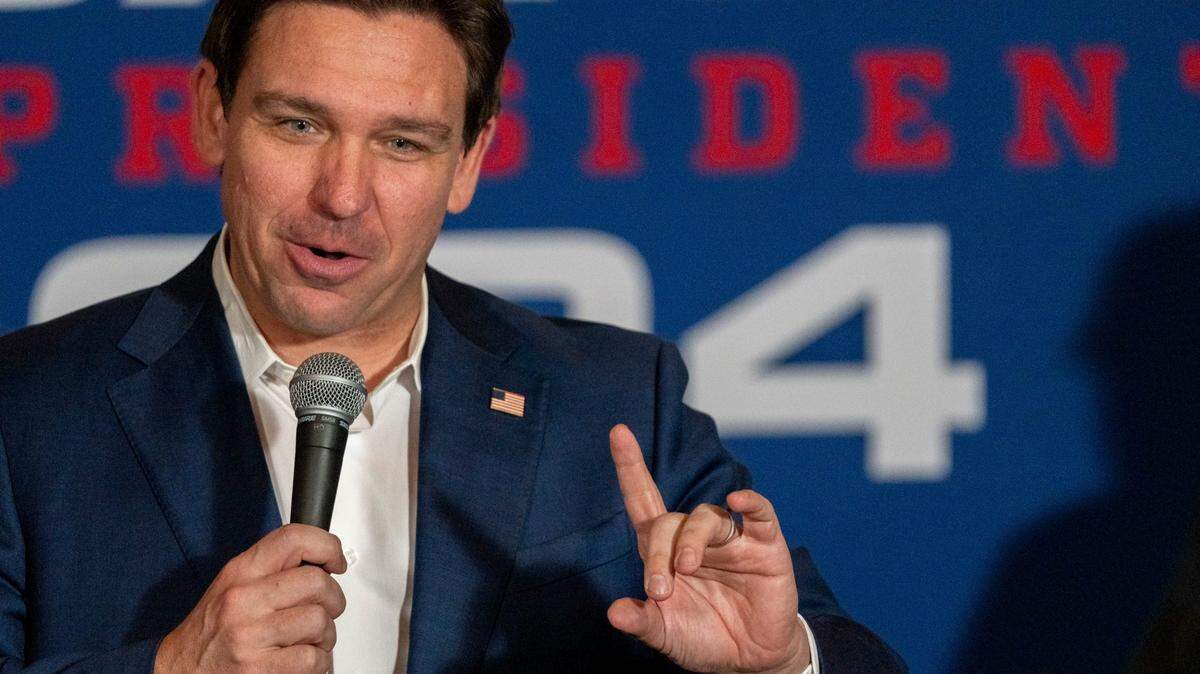
That didn’t take long.
Florida Gov. Ron DeSantis, fresh off a crushing defeat for the highest office in the land, on Monday forcefully reminded legislators of the power he still wields in his home state: the veto pen.
On social media, he publicly smacked down a bill promoted by Florida Chief Financial Officer Jimmy Patronis and funneled through Miami state Rep. Ileana Garcia that proposed making Florida taxpayers help pay Donald Trump’s legal bills — up to $5 million.
The proposal wasn’t stated exactly like that — the bill said the money would go to “qualified persons” subjected to “political discrimination” and would “pay for legal fees incurred as a result of criminal charges brought by a U.S. public entity” — but the meaning was clear. It was to help Trump.
Power of veto
And DeSantis, who just lost in a big way to the ex-president, wasn’t having any of that.
On X, he responded to a post by Politico that some Republicans wanted to use tax money for Trump with this dagger: “But not the Florida Republican who wields the veto pen…”
It may not have been for the right reason — revenge politics, rather than good governance — but DeSantis actually did the right thing by getting that ludicrous bill killed. Florida taxpayers shouldn’t have to pay for an ex-president’s defense. Let Trump get that money from his donors or from his own fortune.
There’s been a lot of speculation about what role DeSantis will have as he returns to Florida, having shut down his campaign before the New Hampshire primary when it was clear he couldn’t win after his 30-point loss to Trump in Iowa.
His response on social media seemed designed to snap back Florida legislators who might be disinclined to listen to a governor who once had an iron grip on lawmakers but is now a lame duck — though he has three more years to serve.
Florida men
His path forward is murky, to be sure. He still lives in the same state with Trump, the man whose endorsement gave the Florida governor an essential boost when he was a little-known congressman running for governor. So he is almost literally in Trump’s shadow even now.
He did endorse Trump as he ended his own presidential campaign. And if Trump were to win another term — as terrifying a possibility as that is — there’s the open question of whether DeSantis might find a role in Washington. On Monday, Donald Trump, Jr., said he thought the door was open to DeSantis working in a Trump White House.
Trump even told supporters in New Hampshire that he’d stop using the silly, playground nickname, “Ron DeSanctimonious,” that he coined for the Florida governor. How magnanimous.
But then came the comment on X. It worked in at least one respect: Garcia withdrew her bill, a signal that legislators know they have to work with DeSantis for a long while still.
Patronis, it should be noted, never endorsed DeSantis. He publicly supported Trump, once the governor dropped out of the GOP primary.
And it’s no secret that DeSantis can bear a grudge. His penchant for paybacks and vindictiveness is well known in Florida, with Disney as an example.
GOP winner
So how he’ll go forward in Florida, Trump’s home state, after months of jabs between the two candidates is unclear. He was reluctant to fully take on Trump during the campaign, never really going hard against the former president, perhaps afraid to alienate the MAGA base for just this scenario. How much more reluctant will he be now that Trump is likely to be the GOP candidate?
In Iowa, before he quit the race, DeSantis accused Trump of liking Republicans who “kiss the ring,” even if they are lousy members of the party. He also said he didn’t think Trump could win if he’s in the general election pitted against President Joe Biden.
That leaves Florida with a wounded, grudge-bearing governor who is out to prove he still can exert power. And an insurrectionist ex-president intent on revenge for losing the seat four years ago. In other words, it leaves Floridians right in the cross-hairs, for three interminable years.
Click here to send the letter.
BEHIND THE STORY
MOREWhat's an editorial?
Editorials are opinion pieces that reflect the views of the Miami Herald Editorial Board, a group of opinion journalists that operates separately from the Miami Herald newsroom. Miami Herald Editorial Board members are: opinion editor Amy Driscoll and editorial writers Isadora Rangel and Mary Anna Mancuso. Read more by clicking the arrow in the upper right.
What's the difference between an op-ed and a column?
How does the Miami Herald Editorial Board decide what to write about?
The Editorial Board, made up of experienced opinion journalists, primarily addresses local and state issues that affect South Florida residents. Each board member has an area of focus, such as education, COVID or local government policy. Board members meet daily and bring up an array of topics for discussion. Once a topic is fully discussed, board members will further report the issue, interviewing stakeholders and others involved and affected, so that the board can present the most informed opinion possible. We strive to provide our community with thought leadership that advocates for policies and priorities that strengthen our communities. Our editorials promote social justice, fairness in economic, educational and social opportunities and an end to systemic racism and inequality. The Editorial Board is separate from the reporters and editors of the Miami Herald newsroom.
How can I contribute to the Miami Herald Opinion section?
The Editorial Board accepts op-ed submissions of 650-700 words from community members who want to argue a specific viewpoint or idea that is relevant to our area. You can email an op-ed submission to oped@miamiherald.com. We also accept 150-word letters to the editor from readers who want to offer their points of view on current issues. For more information on how to submit a letter, go here.
This story was originally published January 23, 2024 at 3:05 PM.