
DeSantis is forced to defend his Florida record in GOP debate. It’s about time | Opinion
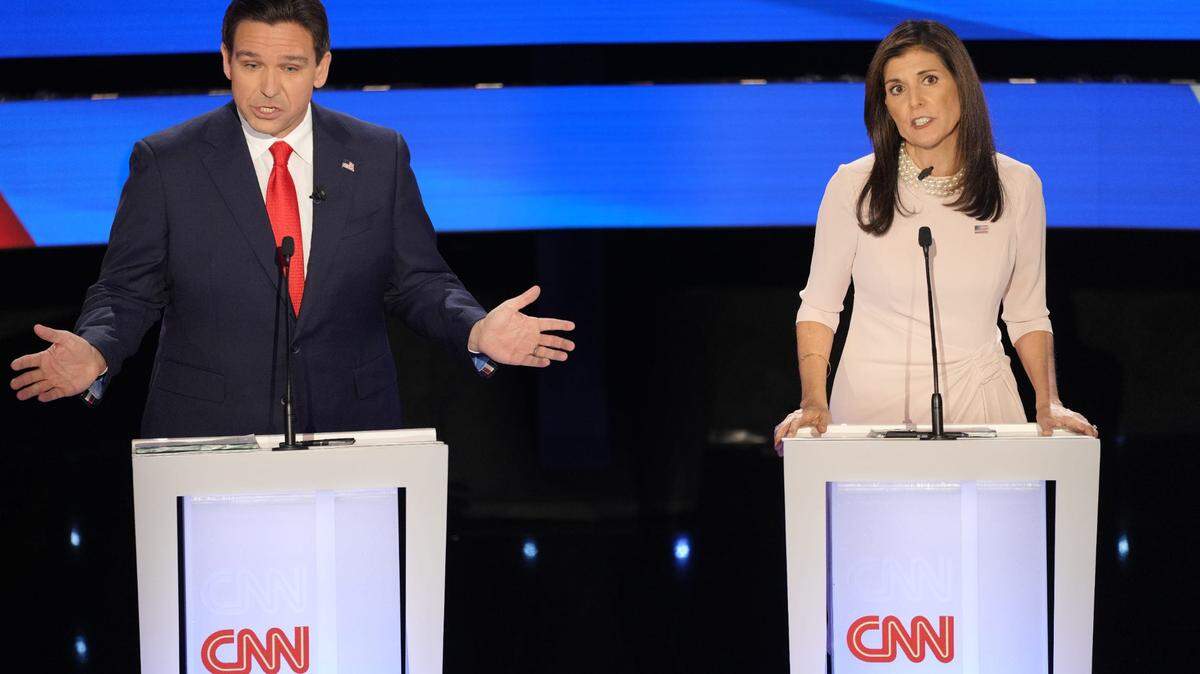
On the debate stage Wednesday night, Ron DeSantis was forced to defend the “Florida Blueprint” he has touted so much in the Republican presidential primary.
It is the dirty little — and worst kept — secret in South Florida in the last couple of years that behind DeSantis’ rhetoric about the state being an economic force and attracting people from blue states, we have become one of the most expensive places to live in the country, thanks partly to out-of-control property insurance premiums. Donald Trump, the frontrunner who did not attend the Republican debate, has criticized the governor on this issue but not as effectively as Nikki Haley did on Wednesday.
Haley, the former governor of South Carolina, and DeSantis were at each other’s throats for most of the night. Haley was often seen on camera shaking her head as DeSantis spoke, promoting her website that’s now probably etched into the minds of anyone who watched the CNN debate: DeSantisLies.com.
DeSantis certainly landed punches. But his record in Florida has gone largely unchecked on the campaign trail. As Haley pointed out, the land of snowbirds is becoming out of reach for many seniors. At 9%, the inflation rate in the Miami-Fort Lauderdale-West Palm Beach area was the highest among large metro areas in the nation in April. As DeSantis discussed the Sunshine State, Haley trolled him by slipping in a “highest insurance” comment.
This is not to say that it was a bad night for DeSantis. With Vivek Ramaswamy and Chris Christie not qualifying for the debate — and Christie dropping out of the GOP primary Wednesday afternoon — the task for Haley and DeSantis was to set themselves apart from each other. DeSantis successfully showed he’s to the right of Haley and clearly got under her skin. Haley often appeared flustered and spent a lot of time defending her record as DeSantis attacked it. He made it clear who he is: a staunch conservative in Trump’s MAGA mold. But the question is whether there is a lane big enough for him in the GOP.
The stakes were so high for DeSantis, it’s unclear if Wednesday made any real difference for his struggling campaign. The Jan. 15 Iowa caucuses are just days away. DeSantis once defined the GOP primary as a two-man race between him and Trump. With Trump so far ahead in the polls and Haley’s ascension after the first four debates, DeSantis is now fighting for the No. 2 spot. A loss in Iowa, where he’s invested a lot of time and money, would put his bid on life support.
DeSantis is, as Haley put it, “desperate.”
And then there is Trump. As they attacked each other, DeSantis and Haley allowed the former president to go largely unscathed. With Trump leading and his opponents unwilling to unequivocally denounce his undemocratic tendencies, are debates even relevant?
Haley offered the night’s strongest rebukes of the former president, calling the argument by Trump’s lawyers in court that he should be immune from prosecution “ridiculous” and denouncing him for trying to reverse the 2020 elections. She also stated the obvious: “Trump lost it.” Duh.
“I think Jan. 6 was a terrible day,” Haley said, adding Trump will have to answer for it.
DeSantis, on the other hand, talked about Trump’s “word vomit on social media” instead of condemning Trump’s disregard for the U.S. Constitution. He pivoted, then, to promising retribution against officials he claimed violated the Constitution with COVID-19 restrictions. When will the governor realize many Americans have moved on from the pandemic?
We get it. The pandemic made DeSantis. Without his fight against Dr. Anthony Fauci, his reopening of Florida and “beating the left,” there would probably not be a Ron DeSantis for president. But Florida is not the conservative wonderland he’s portrayed it to be and Haley was smart to point that out. Now it is up to Iowans to decide whose narrative they believe.
Click here to send the letter.
BEHIND THE STORY
MOREWhat's an editorial?
Editorials are opinion pieces that reflect the views of the Miami Herald Editorial Board, a group of opinion journalists that operates separately from the Miami Herald newsroom. Miami Herald Editorial Board members are: opinion editor Amy Driscoll and editorial writers Isadora Rangel and Mary Anna Mancuso. Read more by clicking the arrow in the upper right.
What's the difference between an op-ed and a column?
How does the Miami Herald Editorial Board decide what to write about?
The Editorial Board, made up of experienced opinion journalists, primarily addresses local and state issues that affect South Florida residents. Each board member has an area of focus, such as education, COVID or local government policy. Board members meet daily and bring up an array of topics for discussion. Once a topic is fully discussed, board members will further report the issue, interviewing stakeholders and others involved and affected, so that the board can present the most informed opinion possible. We strive to provide our community with thought leadership that advocates for policies and priorities that strengthen our communities. Our editorials promote social justice, fairness in economic, educational and social opportunities and an end to systemic racism and inequality. The Editorial Board is separate from the reporters and editors of the Miami Herald newsroom.
How can I contribute to the Miami Herald Opinion section?
The Editorial Board accepts op-ed submissions of 650-700 words from community members who want to argue a specific viewpoint or idea that is relevant to our area. You can email an op-ed submission to oped@miamiherald.com. We also accept 150-word letters to the editor from readers who want to offer their points of view on current issues. For more information on how to submit a letter, go here.
This story was originally published January 10, 2024 at 11:38 PM.