
Let’s give the flamingo its due. Florida lawmakers should make it our state bird | Opinion
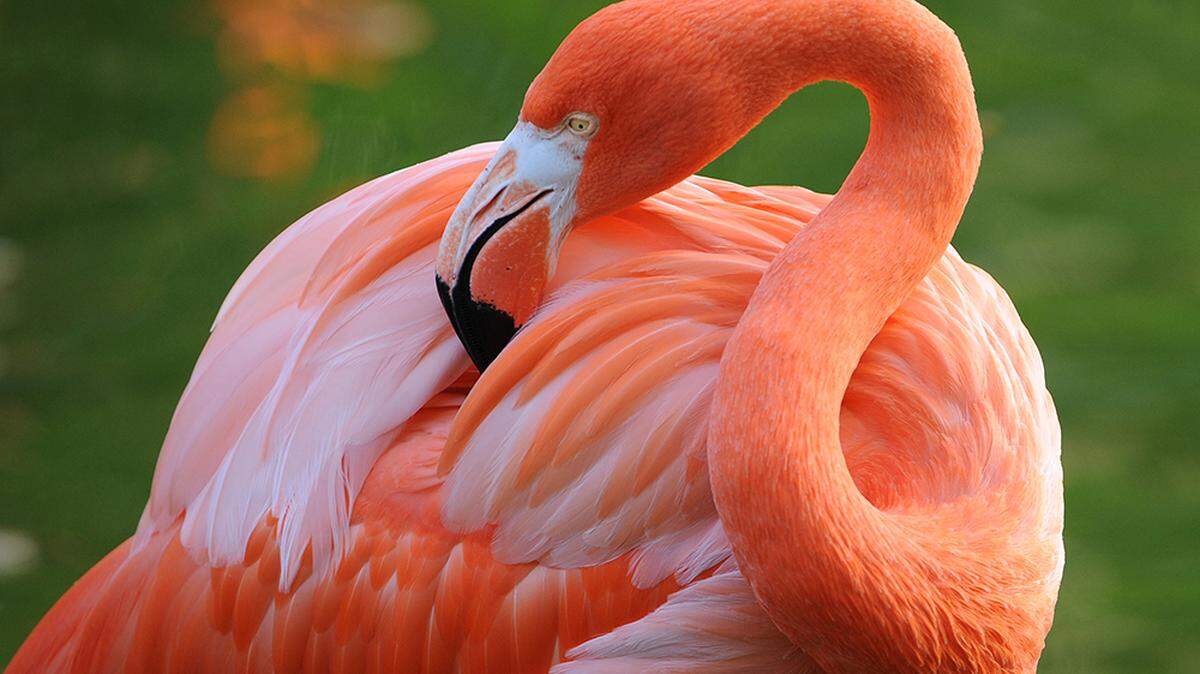
For nearly 100 years, the mockingbird has served as Florida’s official state bird.
Yes, the mockingbird. Not the flamingo, despite what many people think.
But that grievous wrong — which began in 1927 when the mockingbird, known for its melodious song and ability to mimic other birds, became the state bird through a legislative proclamation — can be righted by the Florida Legislature this year.
The mockingbird, also the choice for four other states, had been recommended by the Florida Audubon Society. No knock on the mockingbird but Florida needs something, well, different.
This is a strange state, and we deserve an unusual-looking, impossibly pink state bird. Flamingos have an Audrey Hepburn neck and look impossibly graceful walking through wetlands — while also lending themselves to classic kitsch as lawn decoration.
The flamingo, like us, is resilient. It survived plume hunters working to supply fancy feathers for women’s hats during a late-1800s craze that all but wiped out the American flamingo population in the Everglades. The birds came back from the brink, though.
Rep. Linda Chaney, a St. Pete Beach Republican, introduced House Bill 753 in December to make the flamingo Florida’s state bird. Miami-Dade Republican Sen. Alexis Calatayud is sponsoring the companion bill in the Senate. The bill proposes to switch Florida from the mockingbird as the official state bird to the flamingo. Let’s do it.
Yes, there are far more substantive and weighty matters for the Legislature to take up. But there should also be room during this legislative session, which kicked off Tuesday, to make this small fix, to adjust our public image to match the one that most people already have. The flamingo is already the unofficial bird of the Sunshine State. Time to make it official.
For decades, their presence on postcards, license plates, key chains and salt-and-pepper shakers has helped underscore Florida’s reputation as a tropical paradise. If Florida has a brand — other than being known as weird — flamingos are a key part of it.
Nowhere else in Florida are flamingos more well-known than at Hialeah Race Track. How about the flying flock shown at the center of the track during the opening credits on the image-making 1980s TV show Miami Vice? There’s a flamingo on the logo for the Florida Lottery. A giant flamingo statue named Phoebe greets travelers at the Tampa International Airport. Hotels and resorts feature flamingos in their branding. Alligators, dolphins and flamingos all serve as shorthand for Florida.
“There is no more of an iconic Florida bird than a flamingo,” Zoo Miami spokesman Ron Magill told the Editorial Board. “The plume hunters at the turn of the century nearly wiped them out, not to mention that people ate them. They are an example of what conservation can do.”
Making the flamingo the state bird would simply formalize the existing association between Florida and the pink-feathered creatures. “We are very supportive of this measure,” Magill said.
Flamingos thrive in the wetland habitats that are characteristic of Florida’s landscape, particularly in the Everglades and along the southern coast, with their preference for shallow waters and ability to filter feed. Declaring the flamingo the state bird could help raise awareness about protecting the wetlands and estuaries where these birds live.
And flamingos attract tourists and birders who want to bird in the wild. After last year’s Hurricane Idalia, a wave of flamingo-spotting ensued in some unusual places, from North Florida all the way down to the Florida Keys. Had they been blown into the state from the Yucatan by high winds? Adding to their allure: Even though they are almost synonymous with Florida, a lot of Floridians haven’t actually seen them outside of a zoo or racetrack.
Floridians, it’s clear, have already adopted flamingos as their state bird even without a official designation. The Legislature just needs to catch up.
Click here to send the letter.
BEHIND THE STORY
MOREWhat's an editorial?
Editorials are opinion pieces that reflect the views of the Miami Herald Editorial Board, a group of opinion journalists that operates separately from the Miami Herald newsroom. Miami Herald Editorial Board members are: opinion editor Amy Driscoll and editorial writers Isadora Rangel and Mary Anna Mancuso. Read more by clicking the arrow in the upper right.
What's the difference between an op-ed and a column?
How does the Miami Herald Editorial Board decide what to write about?
The Editorial Board, made up of experienced opinion journalists, primarily addresses local and state issues that affect South Florida residents. Each board member has an area of focus, such as education, COVID or local government policy. Board members meet daily and bring up an array of topics for discussion. Once a topic is fully discussed, board members will further report the issue, interviewing stakeholders and others involved and affected, so that the board can present the most informed opinion possible. We strive to provide our community with thought leadership that advocates for policies and priorities that strengthen our communities. Our editorials promote social justice, fairness in economic, educational and social opportunities and an end to systemic racism and inequality. The Editorial Board is separate from the reporters and editors of the Miami Herald newsroom.
How can I contribute to the Miami Herald Opinion section?
The Editorial Board accepts op-ed submissions of 650-700 words from community members who want to argue a specific viewpoint or idea that is relevant to our area. You can email an op-ed submission to oped@miamiherald.com. We also accept 150-word letters to the editor from readers who want to offer their points of view on current issues. For more information on how to submit a letter, go here.
This story was originally published January 10, 2024 at 4:39 PM.