
‘These are not children’ and Florida lawmakers’ other lousy excuses for undoing workers’ rights | Opinion
The definition of “children” is a malleable one in Florida. Lawmakers and state regulators are at the forefront of defending “children” from getting gender-affirming healthcare or learning about sexual orientation.
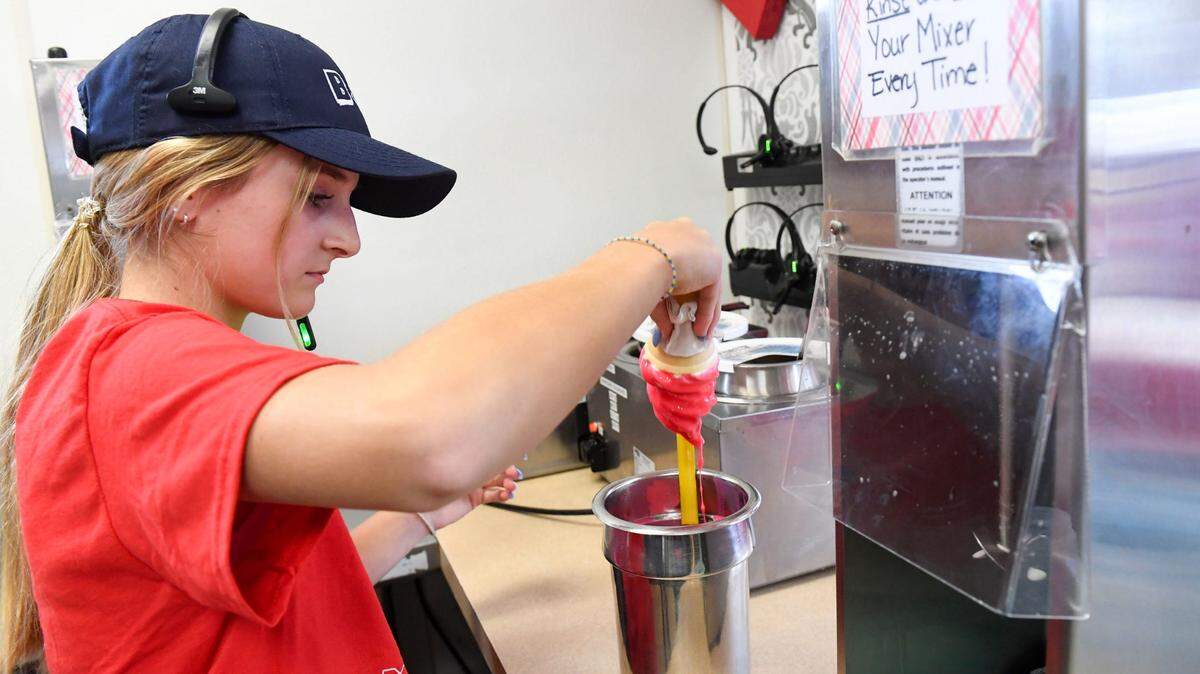
To justify loosening child labor laws for teenagers, a Republican lawmaker has come up with an euphemism to call children: “youth workers.” Not since a former Florida House speaker called pregnant women “host bodies” have we seen such linguistic gymnastics by a politician.
House Bill 49 was written by a conservative advocacy group backed by a billionaire and passed on to a lawmaker’s office. We doubt this is about helping out “youth workers.”
HB 49 is just the first act of the Florida Legislature’s planned assault on workers’ rights in its upcoming session beginning in January. Act Two is House Bill 433, which would prohibit local governments from asking contractors to pay their workers more than the state’s minimum wage. It would impact Miami-Dade County, among others.
All work, no breaks
Under HB 49, Rep. Linda Chaney, R-St. Pete Beach, is proposing to allow 16- and-17-year-olds to work overnight on a school night, without breaks and for more than eight hours a day and 30 hours per week when school is in session — all of which are currently banned under Florida law. These workers would be treated “as a person who is 18 years of age or older,” according to the bill.
“These are not children,” Chaney on Wednesday told a Florida House committee, apparently forgetting that several areas of state law — from driving restrictions to laws on parental consent for medical care — treat people under the age of 18 differently than adults. The House Regulatory Reform & Economic Development Subcommittee approved the legislation by a 10-5 vote, with support from the tourism industry represented by the Florida Restaurant & Lodging Association.
Chaney said her bill would pull government out of people’s lives and give older teens a choice to work as much as they wish and learn skills. But this looks less about giving young workers a choice and more about empowering employers to demand high school students work like adults.
While we empathize with businesses facing worker shortages and that have lost undocumented workers thanks to the state’s crackdown on migrants, loosening child-labor laws opens the door for the exploitation of teenagers whose main priority should be doing well in school. Teenagers from poor families, or those who do not have support at home, would bear the brunt of this legislation.
Living-wage ban
HB 433, perhaps, would inflict even more harm eliminating local living wage standards. Miami-Dade County requires its contractors pay their employees $16.51 per hour with qualifying plus health benefits valued at least $3.83 per hour, otherwise $20.34 per hour. This requirement protects an estimated 16,250 working families, the county’s lobbyist told Seeking Rents, an investigative newsletter, when lawmakers were considering a similar bill in April.
Other communities with high costs of living, such as Broward County and St. Petersburg, also demand contractors pay their workers more than the state’s minimum wage, which voters raised via a 2020 constitutional amendment after lawmakers refused to do so for years. The minimum wage, now $12, will gradually increase to $15 in 2026.
Business lobbying groups that fought against the 2020 ballot measure, warning of widespread layoffs that have yet to materialize (the state’s unemployment rate rests at a low 2.8%), are now leading the charge for House Bill 433. Organizations like the Associated Industries of Florida and the Florida Chamber of Commerce also happen to be among the top political donors in Florida.
They want us to believe labor protections for teenagers and living wages are bad for workers. We have seen this game played before. So have our lawmakers, who never fail to do the bidding of powerful interests at the expense of Floridians. This time, they should reverse course.
Click here to send the letter.
BEHIND THE STORY
MOREWhat's an editorial?
Editorials are opinion pieces that reflect the views of the Miami Herald Editorial Board, a group of opinion journalists that operates separately from the Miami Herald newsroom. Miami Herald Editorial Board members are: opinion editor Amy Driscoll and editorial writers Isadora Rangel and Mary Anna Mancuso. Read more by clicking the arrow in the upper right.
What's the difference between an op-ed and a column?
How does the Miami Herald Editorial Board decide what to write about?
The Editorial Board, made up of experienced opinion journalists, primarily addresses local and state issues that affect South Florida residents. Each board member has an area of focus, such as education, COVID or local government policy. Board members meet daily and bring up an array of topics for discussion. Once a topic is fully discussed, board members will further report the issue, interviewing stakeholders and others involved and affected, so that the board can present the most informed opinion possible. We strive to provide our community with thought leadership that advocates for policies and priorities that strengthen our communities. Our editorials promote social justice, fairness in economic, educational and social opportunities and an end to systemic racism and inequality. The Editorial Board is separate from the reporters and editors of the Miami Herald newsroom.
How can I contribute to the Miami Herald Opinion section?
The Editorial Board accepts op-ed submissions of 650-700 words from community members who want to argue a specific viewpoint or idea that is relevant to our area. You can email an op-ed submission to oped@miamiherald.com. We also accept 150-word letters to the editor from readers who want to offer their points of view on current issues. For more information on how to submit a letter, go here.
This story was originally published December 16, 2023 at 11:53 AM.