
Florida lawmakers, our homeowners insurance crisis isn’t your investment opportunity | Opinion
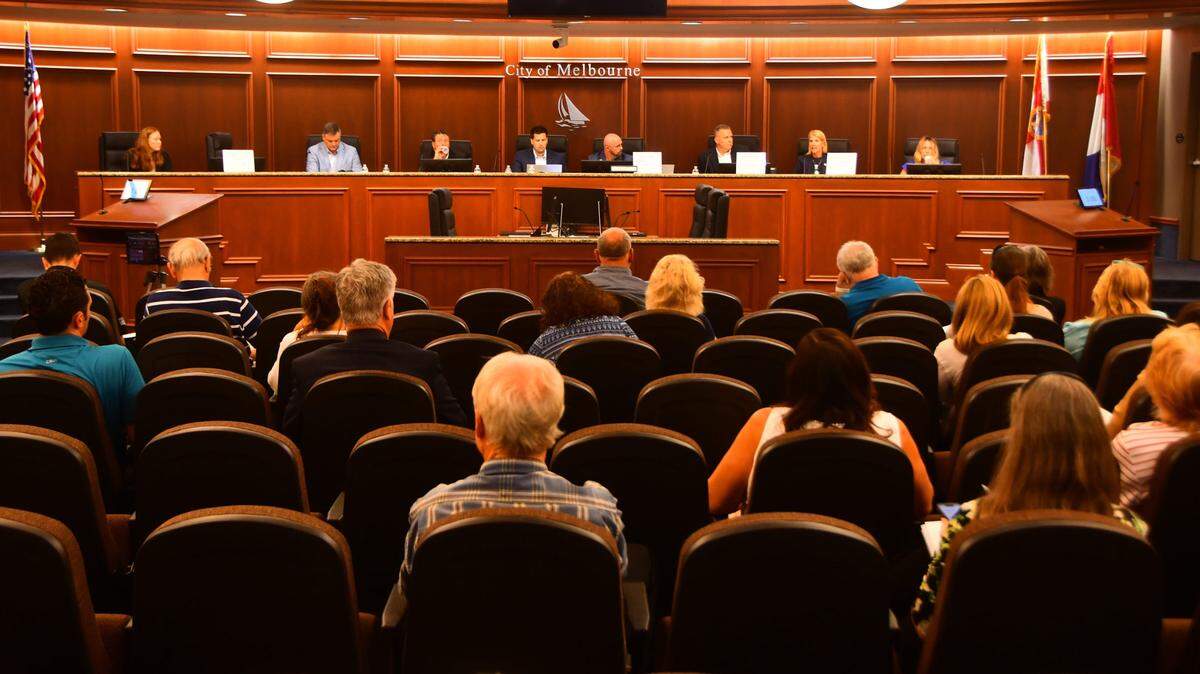
As Floridians struggle with homeowners’ insurance premiums that have been spiraling to unaffordable heights, what are Florida lawmakers doing? Cashing in.
In one of the most tone-deaf moves that lawmakers could come up with right now, at least one state legislator — Sarasota Republican Sen. Joe Gruters — has been pitching his fellow lawmakers on a proposal to invest in a new homeowners insurance company, according to a Miami Herald/Tampa Bay Times story. The pitch comes with an impressive projected return on investment of 165% over five years.
Wow. What a great financial opportunity. Except, oops, it sure sounds like they’d be making money on the backs of suffering homeowners, their constituents.
Worse, this is happening after Florida legislators passed laws earlier this year that they insisted would help address the insurance crisis by making it harder to sue insurance companies, an issue they blame for some of the rising costs to homeowners. But then it turned out it’ll take a year or two for the increase in rates to slow down — and they probably won’t ever get any cheaper.
And all the while, it seems the measures they trumpeted as helping homeowners also help legislators — in the wallet.
The Herald story notes that new companies coming to Florida, now that lawmakers have obligingly reduced their lawsuit risks, is a good thing. So many insurers have gone belly up and fled the state in recent years, it’s encouraging to see what former state Sen. Jeff Brandes, a St. Petersburg Republican who frequently called for strong action on the state’s insurance crisis, called “green shoots” in the market. New companies might even result in more affordable — or, at least, less unaffordable — premiums.
OK, fine. But that doesn’t mean lawmakers should be trying to profit from the very crisis that’s plaguing the people in their districts.
Sen. Jason Pizzo, a Hollywood Democrat and one of the wealthiest lawmakers with a net worth of $60 million, said he turned down Gruters’ pitch and a dozen others because, “I just don’t want to be directly involved with profiting off of what I think is less restrictive, or more favorable, conditions for insurers.”
He said he understands the optics “aren’t great” but if more affordable policies are the result, homeowners probably won’t care.
That might be the case if those cheaper policies are available tomorrow, but that’s not going to happen. The cost savings for homeowners would have to be significant, too, to really make a dent in such an expensive insurance market.
None of this seems to be illegal. It might not violate any ethics rules. Investors can do what they want. And we don’t begrudge legislators making a living. But there’s a gut check here, too.
How many of us want to send someone to Tallahassee to represent us only to find out they are profiting from a crisis that’s causing us such misery, straining our finances and making a future in Florida questionable? With legislative elections coming in 2024, that’s a question voters may be asking themselves next November.
Click here to send the letter.
BEHIND THE STORY
MOREWhat's an editorial?
Editorials are opinion pieces that reflect the views of the Miami Herald Editorial Board, a group of opinion journalists that operates separately from the Miami Herald newsroom. Miami Herald Editorial Board members are: opinion editor Amy Driscoll and editorial writers Isadora Rangel and Mary Anna Mancuso. Read more by clicking the arrow in the upper right.
What's the difference between an op-ed and a column?
How does the Miami Herald Editorial Board decide what to write about?
The Editorial Board, made up of experienced opinion journalists, primarily addresses local and state issues that affect South Florida residents. Each board member has an area of focus, such as education, COVID or local government policy. Board members meet daily and bring up an array of topics for discussion. Once a topic is fully discussed, board members will further report the issue, interviewing stakeholders and others involved and affected, so that the board can present the most informed opinion possible. We strive to provide our community with thought leadership that advocates for policies and priorities that strengthen our communities. Our editorials promote social justice, fairness in economic, educational and social opportunities and an end to systemic racism and inequality. The Editorial Board is separate from the reporters and editors of the Miami Herald newsroom.
How can I contribute to the Miami Herald Opinion section?
The Editorial Board accepts op-ed submissions of 650-700 words from community members who want to argue a specific viewpoint or idea that is relevant to our area. You can email an op-ed submission to oped@miamiherald.com. We also accept 150-word letters to the editor from readers who want to offer their points of view on current issues. For more information on how to submit a letter, go here.
This story was originally published October 30, 2023 at 7:18 PM.