
Behind new bulletproof windows, Florida lawmakers can now repeal even more gun laws | Opinion
Timing can be unintentional and yet ironic.
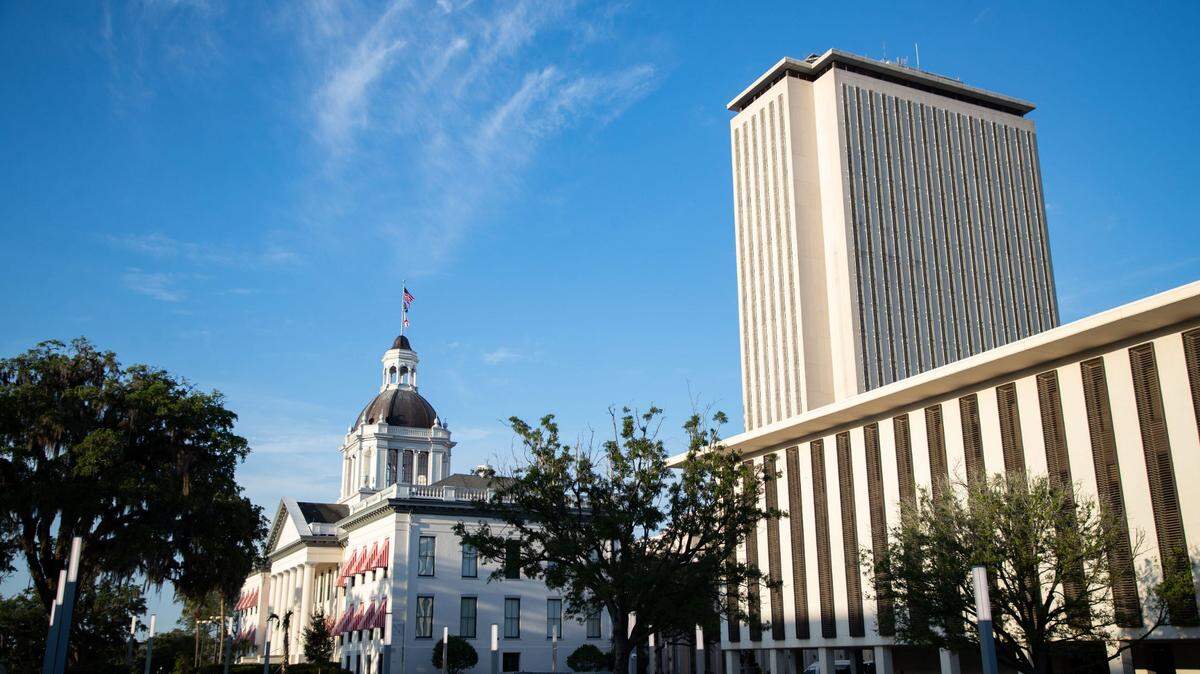
The Florida Capitol in Tallahassee is getting new windows — bulletproof ones — at the same time that lawmakers have allowed people to carry concealed weapons without a permit.
The two events are unrelated. The Legislature approved the $61.6 million window replacement project, part of a larger package of renovations, in 2019, four years before it loosened gun restrictions this year. Though those events don’t have a cause-and-effect relationship, they are a symptom and a potential aggravator of the gun violence problem Florida and the U.S. face.
Republican lawmakers who are comfortable with more guns on the streets can rest assured that they will have some level of safety at their workplace. Other improvements include bulletproofing the front panels on the daises in the rooms where lawmakers sit during committee hearings, the Orlando Sentinel reported. How many store clerks or office workers enjoy such protection?
The improvements, due in 2027, mean the state will replace all 1,656 windows at the three-building Capitol Complex, built in 1977, with dark, tempered, bullet-proof glass and remove rusted metal louvers that cover the windows, according to the Tallahassee Democrat. It’s going to make the buildings more energy efficient and safe, needed changes given our warming climate and the thousands of people the Capitol hosts each year when you add up all the lawmakers, lobbyists, state workers and visitors who walk through the doors. Work on the Senate side of the building appears finished and about six stories on the House side have been replaced, the Democrat reported.
In a polarized country and after the Jan. 6 attacks at the U.S. Capitol, no government building can be presumed safe from an attack.
If safety is a true concern of the Florida Legislature, it applies beyond Capitol grounds. And yet a law passed earlier this year allows anyone who is legally allowed to carry a gun to do so without a license. Responsible gun owners should not have a problem going through the permitting process, which requires training, background checks and fees.
Permitless carry makes it harder for police to determine who’s legally carrying and who’s not. Before the law went into effect on July 1, law enforcement could just check someone’s concealed carry license. This new law puts more guns on the streets and increases the likelihood of someone firing shots during heated arguments because they felt “threatened.”
The new law also raises questions about what guns will now be allowed inside Capitol. The Florida Department of Law Enforcement currently bans anyone with a weapon from entering the Capitol, unless they have a concealed weapon permit (they are still not allowed to bring weapons into committee hearings). What happens now that people no longer need a permit, and how will law enforcement keep people safe in the Capitol?
We doubt the Legislature intended to allow any armed person on Capitol grounds when they passed the law. Outside their Tallahassee bubble, that’s a fear many Floridians now face.

Click here to send the letter.
BEHIND THE STORY
MOREWhat's an editorial?
Editorials are opinion pieces that reflect the views of the Miami Herald Editorial Board, a group of opinion journalists that operates separately from the Miami Herald newsroom. Miami Herald Editorial Board members are: opinion editor Amy Driscoll and editorial writers Isadora Rangel and Mary Anna Mancuso. Read more by clicking the arrow in the upper right.
What's the difference between an op-ed and a column?
How does the Miami Herald Editorial Board decide what to write about?
The Editorial Board, made up of experienced opinion journalists, primarily addresses local and state issues that affect South Florida residents. Each board member has an area of focus, such as education, COVID or local government policy. Board members meet daily and bring up an array of topics for discussion. Once a topic is fully discussed, board members will further report the issue, interviewing stakeholders and others involved and affected, so that the board can present the most informed opinion possible. We strive to provide our community with thought leadership that advocates for policies and priorities that strengthen our communities. Our editorials promote social justice, fairness in economic, educational and social opportunities and an end to systemic racism and inequality. The Editorial Board is separate from the reporters and editors of the Miami Herald newsroom.
How can I contribute to the Miami Herald Opinion section?
The Editorial Board accepts op-ed submissions of 650-700 words from community members who want to argue a specific viewpoint or idea that is relevant to our area. You can email an op-ed submission to oped@miamiherald.com. We also accept 150-word letters to the editor from readers who want to offer their points of view on current issues. For more information on how to submit a letter, go here.