
Florida finally has to reveal COVID data it wanted to hide. Too bad it took a lawsuit | Opinion
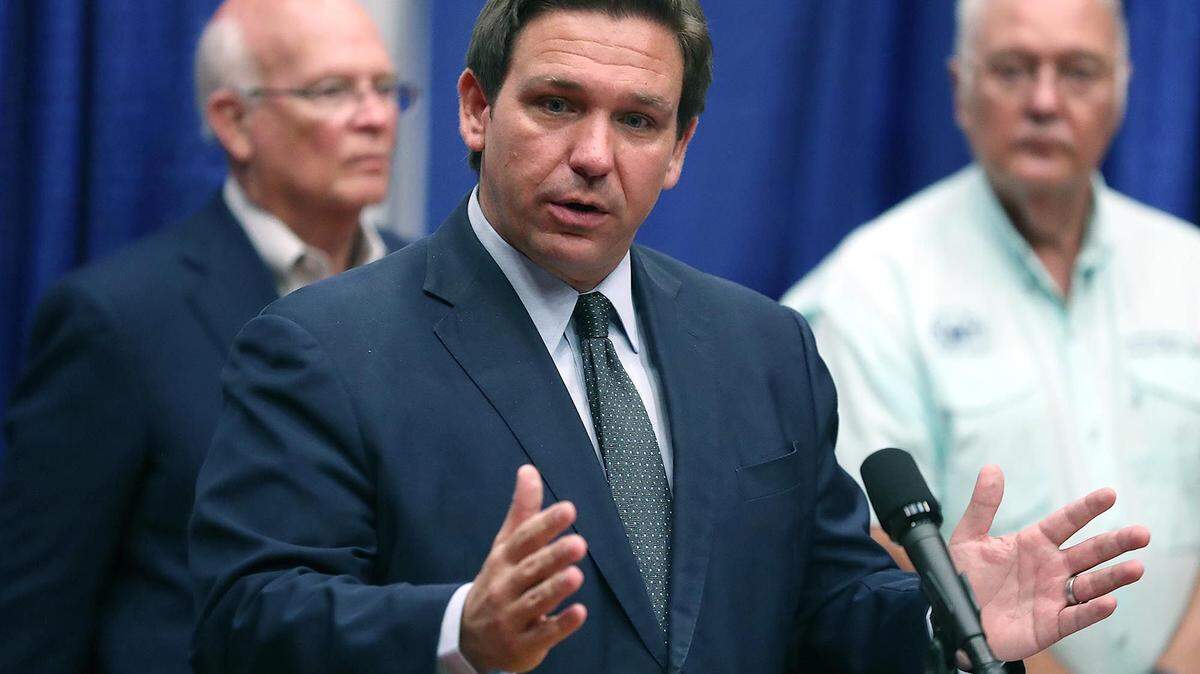
Florida has been playing fast and loose with COVID data for years, stonewalling on public records requests and shifting the way it counts cases. Now, finally, Floridians will have a chance to see what’s really happening in our state.
A settlement in a lawsuit filed by the Florida Center for Government Accountability on behalf of former state Rep. Carlos Guillermo Smith in August 2021 — and later joined by the Miami Herald, other news organizations and the First Amendment Foundation — means the state will have to let the public see the records it tried so hard to keep hidden as the Delta variant tore through the state.
Access denied
For the past two years — as Gov. Ron DeSantis laid the groundwork for a presidential run, relying heavily on his “free state of Florida” COVID response — Florida had denied that detailed COVID-19 data relating to 2021 infections and vaccines existed. On Monday, DeSantis and the state Department of Health agreed to disclose coronavirus data on the DOH website.
That means no more obfuscation. No more changing the way information is reported so no one can really keep track of cases or trying to deflect by accusing the Centers for Disease Control and Prevention on social media of publishing incorrect numbers. At long last, the state will have to let the public see the data, including case counts, vaccinations and deaths, broken down by county, age and gender. The settlement requires that the DOH provide the data for the next three years.
This is no small thing. Floridians have always needed to know what the state is doing — or not doing — in such an important public health fight. According to the New York Times, at least 87,000 people have died of COVID in Florida so far. That’s one in 246 residents, a shocking figure.
Smith, an Orlando Democrat, said the state’s actions resulted in downplaying the COVID threat, which cost lives. DOH spokesperson James “Jae” Williams III — who seems to have missed the point of the settlement — kept fighting: “It is unfortunate that we have continued to waste government resources arguing over the formatting of data with armchair epidemiologists who have zero training or expertise.’’
On our dime
And yet, why wouldn’t the state simply provide all the information to the public? Yes, it reports information to the CDC. But it also changed how it did that, making a surge look less serious, and then undermined the CDC’s number with an unfounded attack on Twitter.
The settlement also means the state will have to pay $152,250 in attorneys fees to those who filed the suit. Is DeSantis paying that money? No, of course not. We are. DeSantis has shown repeatedly that he’s more than happy to go to court and fight for any number of nonsensical ideas emanating from Tallahassee as long as we, the taxpayers, are footing the bill. That’s like gambling at the blackjack table using someone else’s money, except the people of this state didn’t sign up to be DeSantis’ sugar daddy.
This settlement never should have been necessary. If the state had been transparent, instead of attempting to circumvent state public-records laws, we would have known all along just how bad the outbreaks were. We also would have $152,000 to spend on some other need in the state.
Instead, Florida went to court.
And that happened right around the time that DeSantis became a serious contender for the GOP presidential nomination, based largely on his defiant attitude about COVID.
It’s no coincidence that the state settled now, either. DeSantis has learned — the hard way — that COVID is no longer the hot-button issue it was a couple of years ago. He tried to capitalize on it during his sinking campaign and saw that his freedom spiel no longer resonated with voters.
So now the state settles. Now we’ll start getting the data. Now we can better assess our own risks. That’s great. But it shouldn’t have taken a lawsuit, one that we will pay for, to get here.
Click here to send the letter.
BEHIND THE STORY
MOREWhat's an editorial?
Editorials are opinion pieces that reflect the views of the Miami Herald Editorial Board, a group of opinion journalists that operates separately from the Miami Herald newsroom. Miami Herald Editorial Board members are: opinion editor Amy Driscoll and editorial writers Isadora Rangel and Mary Anna Mancuso. Read more by clicking the arrow in the upper right.
What's the difference between an op-ed and a column?
How does the Miami Herald Editorial Board decide what to write about?
The Editorial Board, made up of experienced opinion journalists, primarily addresses local and state issues that affect South Florida residents. Each board member has an area of focus, such as education, COVID or local government policy. Board members meet daily and bring up an array of topics for discussion. Once a topic is fully discussed, board members will further report the issue, interviewing stakeholders and others involved and affected, so that the board can present the most informed opinion possible. We strive to provide our community with thought leadership that advocates for policies and priorities that strengthen our communities. Our editorials promote social justice, fairness in economic, educational and social opportunities and an end to systemic racism and inequality. The Editorial Board is separate from the reporters and editors of the Miami Herald newsroom.
How can I contribute to the Miami Herald Opinion section?
The Editorial Board accepts op-ed submissions of 650-700 words from community members who want to argue a specific viewpoint or idea that is relevant to our area. You can email an op-ed submission to oped@miamiherald.com. We also accept 150-word letters to the editor from readers who want to offer their points of view on current issues. For more information on how to submit a letter, go here.