
Florida surgeon general misleads the public — again — with dangerous COVID-19 advice | Opinion
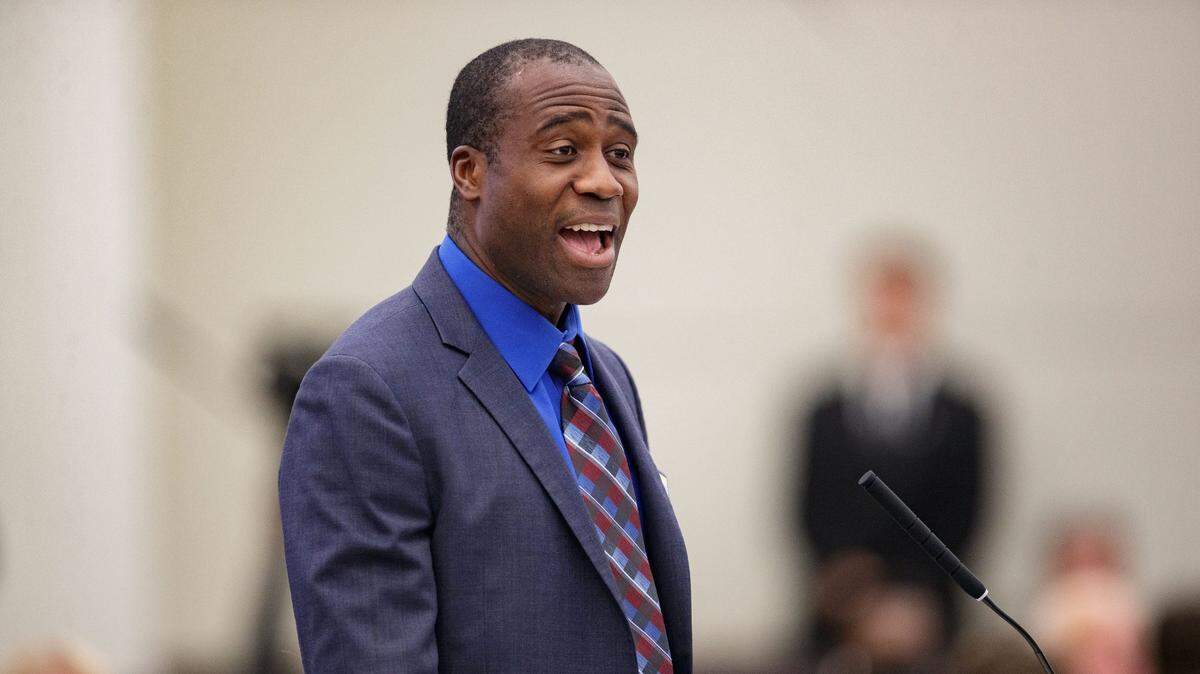
Joseph Ladapo, Florida’s surgeon general, and Gov. Ron DeSantis’ go-to panel of experts on Wednesday attacked federal public health officials for allegedly performing bad science and using Americans as “guinea pigs” for newly approved coronavirus vaccines.
Ladapo doesn’t seem fazed by the hypocrisy of his attacks given that he withheld key data when he recommended young men not get vaccinated last year. A Tampa Bay Times analysis of public records revealed the Department of Health removed from an analysis data that showed contracting COVID-19 could increase the chances of cardiac-related deaths much more than vaccines.
That was irresponsible at best and dishonest at worst, but Florida provides the environment where Ladapo shines.
With COVID-19 cases and hospitalization on the rise, he recommended people under age 65 do not get the new vaccine that the U.S. Food and Drug Administration approved Monday for an omicron variant. The U.S. Centers for Disease Control and Prevention on Tuesday recommended everyone 6 months and older get a shot.
Florida COVID cases more than doubled in the last week of August compared to the month before, the Herald reported. Florida has the largest number hospitalizations after California. These numbers pale in comparison to previous waves of the virus, but Floridians should already know that the best way to protect themselves is by getting vaccinated.
As a reminder, Ladapo also promoted two debunked treatments for COVID-19: hydroxychloroquine, which the FDA, based on several clinical trials, says increases the risk of “serious heart rhythm problems;” and Ivermectin, an antiparasitic drug that a clinical trial with 1,206 COVID patients found wasn’t effective, according to a study published this year in the Journal of the American Medical Association.
Any doctor that pushes such quackery should be relegated to academic obscurity and ridicule. But in Florida, Ladapo was fast-tracked into a faculty position at the University of Florida College of Medicine. A committee of the UF Faculty Senate last year found college administrators cut corners in his hiring, the Gainesville Sun reported.
Ladapo became the standard-bearer for DeSantis’ approach to the pandemic, giving it the rubber stamp of a Harvard-trained doctor. The “Florida Blueprint,” as DeSantis sells it, proved the mainstream scientific community wrong. What that narrative leaves out is that Floridians paid for it with their lives.
During the 2021 delta wave, Florida residents died at a higher rate, adjusted for age, than people in almost every other state, a New York Times analysis of federal data found. The Sunshine State accounted for 14% of the nation’s deaths between July and October 2021, even though it represents only 7% of the American population.
Most troubling is that vaccines were widely available by then. DeSantis, after initially touting the shots for seniors, helped sow doubt about their effectiveness and safety. Had Florida increased its rates to those seen in five New England states with the largest number of vaccinations, more than 16,000 lives could have been saved, a study published in The Lancet medical journal concluded.
Ladapo’s latest recommendation doesn’t rule out the vaccine for people 65 and older. He instead says that they should discuss the vaccine with their healthcare provider.
His suggestion that younger Floridians are somehow naturally protected from the worst effects of COVID-19 isn’t supported by data. Of the state’s 90,000 COVID-19 deaths, 22% were people under 65, the Herald reported. Of the 23,000 deaths that happened during the delta wave, 39% were among those younger adults, the Times reported. The vast majority of them were unvaccinated or had not finished their two-dose regimen.
For some Floridians, no amount of studies in prestigious journals will persuade them that vaccines work or are safe. Unfortunately, Ladapo’s target audience is vast and looking for someone with a surgeon general’s title to validate their beliefs.
Other Floridians who haven’t gone down the rabbit hole of misinformation should look elsewhere for reliable medical advice. Would they rather trust someone with a record of data manipulation and of pushing unproven treatments for a lethal virus? Or will they protect themselves with a vaccine that has saved lives and prevented serious illness?
That choice should be easy. Just tune out Florida’s surgeon general.
Click here to send the letter.
BEHIND THE STORY
MOREWhat's an editorial?
Editorials are opinion pieces that reflect the views of the Miami Herald Editorial Board, a group of opinion journalists that operates separately from the Miami Herald newsroom. Miami Herald Editorial Board members are: opinion editor Amy Driscoll and editorial writers Isadora Rangel and Mary Anna Mancuso. Read more by clicking the arrow in the upper right.
What's the difference between an op-ed and a column?
How does the Miami Herald Editorial Board decide what to write about?
The Editorial Board, made up of experienced opinion journalists, primarily addresses local and state issues that affect South Florida residents. Each board member has an area of focus, such as education, COVID or local government policy. Board members meet daily and bring up an array of topics for discussion. Once a topic is fully discussed, board members will further report the issue, interviewing stakeholders and others involved and affected, so that the board can present the most informed opinion possible. We strive to provide our community with thought leadership that advocates for policies and priorities that strengthen our communities. Our editorials promote social justice, fairness in economic, educational and social opportunities and an end to systemic racism and inequality. The Editorial Board is separate from the reporters and editors of the Miami Herald newsroom.
How can I contribute to the Miami Herald Opinion section?
The Editorial Board accepts op-ed submissions of 650-700 words from community members who want to argue a specific viewpoint or idea that is relevant to our area. You can email an op-ed submission to oped@miamiherald.com. We also accept 150-word letters to the editor from readers who want to offer their points of view on current issues. For more information on how to submit a letter, go here.
This story was originally published September 14, 2023 at 2:44 PM.