
Another misguided South Florida city tries to arrest its way out of homelessness | Opinion
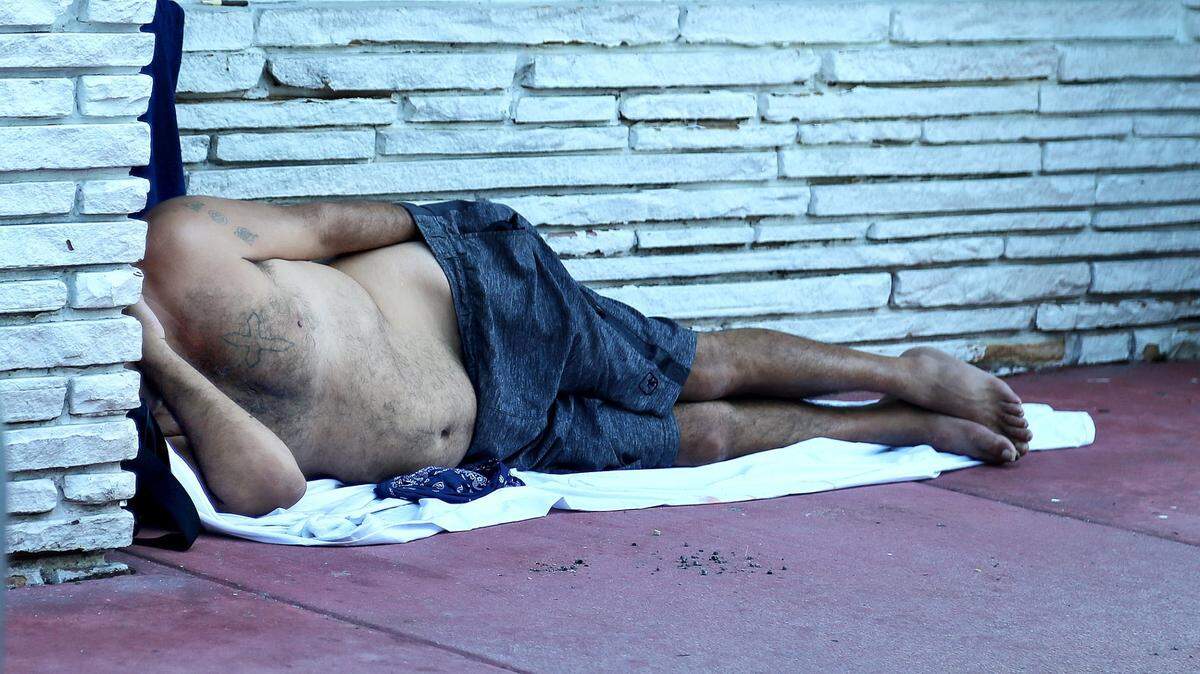
Homelessness is an “out of sight, out of mind” issue. Communities usually will be satisfied if the blight and quality-of-life issues that homelessness presents simply leave their doorstep.
It’s understandable that residents want quick and drastic solutions. But America has learned that arresting its way out societal problems — from drug addiction to mental health — hasn’t worked. And it won’t work for homelessness, as Miami Beach is proposing.
On Wednesday, the Beach Commission will hear a proposed ordinance to amend the city’s existing anti-camping rules, which ban people from sleeping outdoors on cardboard or anything that indicates they didn’t just happen to fall asleep in public. If approved, the new measure will allow law enforcement to arrest people at homeless encampments if they refuse to go to a shelter or accept other housing assistance. If no shelter beds or government assistance are available, arrests can’t be made.
The proposal has created strange bedfellows on the commission. It’s co-sponsored by Mayor Dan Gelber, his rival Commissioner Kristen Rosen-Gonzalez and Commissioner Alex Fernandez. They are under pressure from residents after the city’s homeless population reached its highest number in more than a decade in January, jumping to 235 from 167 in August, the Herald reported.
It was out of similar frustration that the city of Miami passed an equally controversial homeless ordinance almost two years ago. While Miami officials called homelessness a “problem of attitude,” and Commissioner Joe Carollo suggested creating a tent city on Virginia Key, Miami Beach has struck a softer tone. Fernandez has called the proposal “compassionate” to people who sleep outside “vulnerable in the elements.” Gelber told the Herald Editorial Board that the Police Department has experience dealing with unsheltered people “humanely.”
Miami Beach has committed at least $1 million to the Miami-Dade Homeless Trust for the construction of housing. Next year, city voters will decide whether to impose a 1% tax on food and beverage sales to help fund the trust. Gelber showed the Editorial Board a list of homeless-related services, such as family reunification assistance, the city has funded this fiscal year totaling $7.6 million.
“If somebody gives me a better option, I’d like to know what it is,” Gelber said about the proposed ordinance.
Leaders of progressive Miami Beach don’t want to seem as heartless as their Miami counterparts, but the problem with the proposal by Gelber and others is that it’s not a solution for homelessness. It might mask the problem, at least temporarily, but it looks more like an attempt to export the issue outside of Miami Beach.
The Miami-Dade County jail and all homeless shelters are located outside city boundaries, across the Intracoastal.
If the options for a homeless person are to leave the city, give up their belongings to go to a shelter in, say, Homestead, or jail that’s essentially what University of Miami law professor Stephen Schnably described as “banishment.” Schnably worked on the landmark 1998 Pottinger case, which prohibited Miami police from arresting homeless people for “life-sustaining” activities until the resulting consent decree was terminated in 2019.
And once they leave jail or a shelter, where will they go? If not back to Miami Beach, they become someone else’s problem.
“They don’t understand that what they are doing will create greater frustration,” Ron Book, chair of the Miami-Dade County Homeless Trust, told the Editorial Board.
Book, Schnably and other advocates agree that the best approach to homelessness is affordable housing. Book said he predicted Miami Beach’s problems eight years ago and accused the city, despite the investments Gelber touts, of not spending enough to address it. He said most people currently living on the streets are “shelter resistant.” The Trust has ongoing projects to create new housing units and transform old hotels into apartments across the county.
Book vowed that if Miami Beach, Surfside and Bal Harbour approve the 1% food and beverage tax, he will end homelessness as we know it in 18 to 24 months. That’s a tall order that, if not accomplished, will spur more local governments to pass extreme polices, as Miami Beach is considering.

Click here to send the letter.
BEHIND THE STORY
MOREWhat's an editorial?
Editorials are opinion pieces that reflect the views of the Miami Herald Editorial Board, a group of opinion journalists that operates separately from the Miami Herald newsroom. Miami Herald Editorial Board members are: opinion editor Amy Driscoll and editorial writers Isadora Rangel and Mary Anna Mancuso. Read more by clicking the arrow in the upper right.
What's the difference between an op-ed and a column?
How does the Miami Herald Editorial Board decide what to write about?
The Editorial Board, made up of experienced opinion journalists, primarily addresses local and state issues that affect South Florida residents. Each board member has an area of focus, such as education, COVID or local government policy. Board members meet daily and bring up an array of topics for discussion. Once a topic is fully discussed, board members will further report the issue, interviewing stakeholders and others involved and affected, so that the board can present the most informed opinion possible. We strive to provide our community with thought leadership that advocates for policies and priorities that strengthen our communities. Our editorials promote social justice, fairness in economic, educational and social opportunities and an end to systemic racism and inequality. The Editorial Board is separate from the reporters and editors of the Miami Herald newsroom.
How can I contribute to the Miami Herald Opinion section?
The Editorial Board accepts op-ed submissions of 650-700 words from community members who want to argue a specific viewpoint or idea that is relevant to our area. You can email an op-ed submission to oped@miamiherald.com. We also accept 150-word letters to the editor from readers who want to offer their points of view on current issues. For more information on how to submit a letter, go here.