
Miami’s mayor is a man of many side gigs. But are residents getting their money’s worth? | Opinion
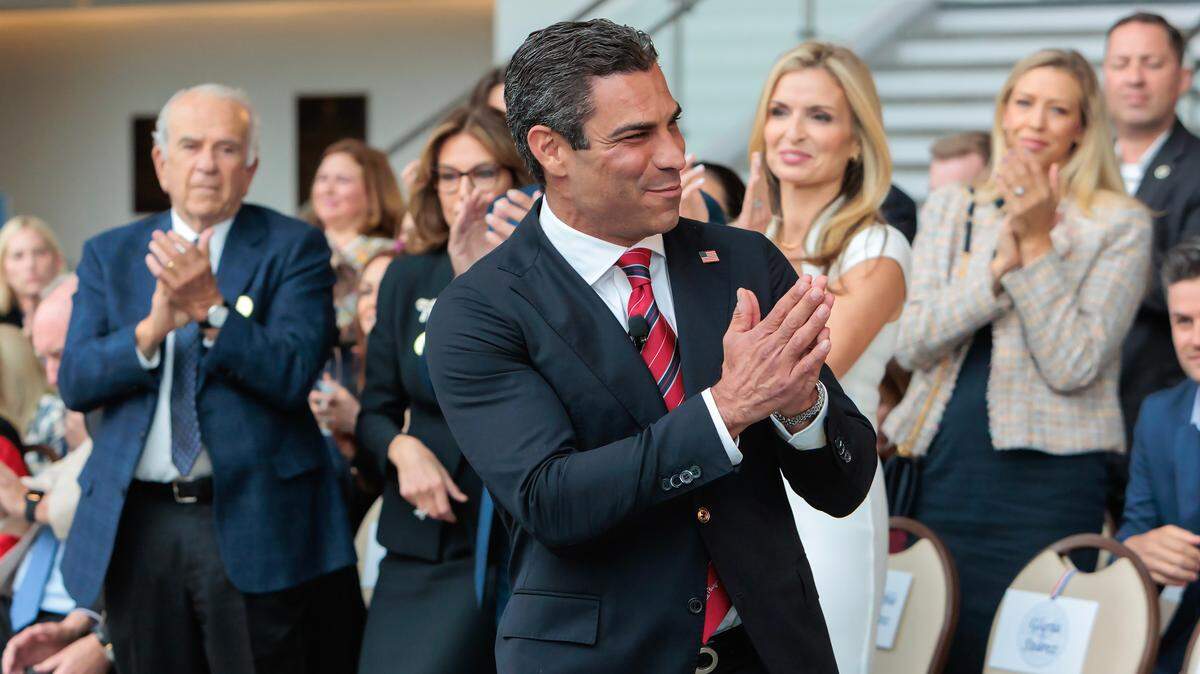
Mayor Francis Suarez is what you might call an entrepreneur. He’s the figure head of Miami-Dade County’s largest city. He ran for president until this week. Since the beginning of 2020, he’s had more than a dozen side gigs — very lucrative ones that helped him earn millions, the Herald reported Wednesday.
Suarez’s outside employment has been a source of controversy after Herald reporters found he received monthly $10,000 consulting payments from a real-estate developer who needed favorable treatment from City Hall. Those payments are now the subject of an FBI investigation.
Suarez has become rich while receiving a mayoral compensation package worth $130,000.
The position of Miami mayor’s is part time, which has allowed Suarez to seek outside employment. Yet Suarez earns what, by Miami standards, is full-time compensation — and a hefty one. The city’s median household income is less than $48,000 annually, according to the U.S. Census.
Not only does Suarez’s many outside jobs raise the question of his commitment to the office to which he was elected, but Miamians should ask why they are paying their mayor top dollar for it.
New financial disclosure forms he filed with the Federal Elections Commission as part of his short White House run show that Suarez listed an income range of $2.1 million to $12.9 million for the past 20 months. His wealth came from 15 consulting arrangements or jobs, including his compensation for being mayor, as well as five investment properties. Suarez also has a $360,000-per-year position at a private equity firm.
Just a decade ago, when he first took office as a commissioner, Suarez, a lawyer, listed a negative net worth. At the end of 2022, it was $3.4 million.
Perhaps the mayor just worked really hard — and, so far, there’s no evidence he might have committed any wrongdoing. Perhaps it’s a coincidence that Suarez earned millions while he held a public job he used to raise his profile among wealthy donors and tech bros. Or that some of his earnings came from the same industries he promotes as mayor.
For example, Suarez, a crypto currency enthusiast, received stock options from Redivider, a crypto mining company where he is a minority investor. The company was previously looking to open a mining operation in Homestead, the Herald reported. Suarez also received $50,000 to $100,000 from Bilt Rewards, which, in 2021, he said on social media he wanted to bring to Miami.
Suarez has been reluctant in the past to disclose his sources of income, but federal requirements in his presidential run required him to do so. Were the mayor not seeking the White House, we might have never found out by how much he grew his wealth while in office.
Suarez’s opaqueness about this issue raises even more questions about whether Miamians are getting a return on their investment in the city’s leader.

Click here to send the letter.
BEHIND THE STORY
MOREWhat's an editorial?
Editorials are opinion pieces that reflect the views of the Miami Herald Editorial Board, a group of opinion journalists that operates separately from the Miami Herald newsroom. Miami Herald Editorial Board members are: opinion editor Amy Driscoll and editorial writers Isadora Rangel and Mary Anna Mancuso. Read more by clicking the arrow in the upper right.
What's the difference between an op-ed and a column?
How does the Miami Herald Editorial Board decide what to write about?
The Editorial Board, made up of experienced opinion journalists, primarily addresses local and state issues that affect South Florida residents. Each board member has an area of focus, such as education, COVID or local government policy. Board members meet daily and bring up an array of topics for discussion. Once a topic is fully discussed, board members will further report the issue, interviewing stakeholders and others involved and affected, so that the board can present the most informed opinion possible. We strive to provide our community with thought leadership that advocates for policies and priorities that strengthen our communities. Our editorials promote social justice, fairness in economic, educational and social opportunities and an end to systemic racism and inequality. The Editorial Board is separate from the reporters and editors of the Miami Herald newsroom.
How can I contribute to the Miami Herald Opinion section?
The Editorial Board accepts op-ed submissions of 650-700 words from community members who want to argue a specific viewpoint or idea that is relevant to our area. You can email an op-ed submission to oped@miamiherald.com. We also accept 150-word letters to the editor from readers who want to offer their points of view on current issues. For more information on how to submit a letter, go here.