
Fear seeps into Florida classrooms — and that’s exactly what Republicans wanted | Opinion
The fear is the point.
Schools in Florida have been canceling — and then, in some cases, reinstating — Advanced Placement psychology courses for high school students because they’ve been told by the College Board, or simply believe, the classes would violate the state’s ban on lessons involving sexual orientation and gender identity.
The worry is understandable — and a bonus for a state intent on waging culture wars in schools and crushing any dissent. If you can get people to self-censor, you’ve pretty much won the battle.
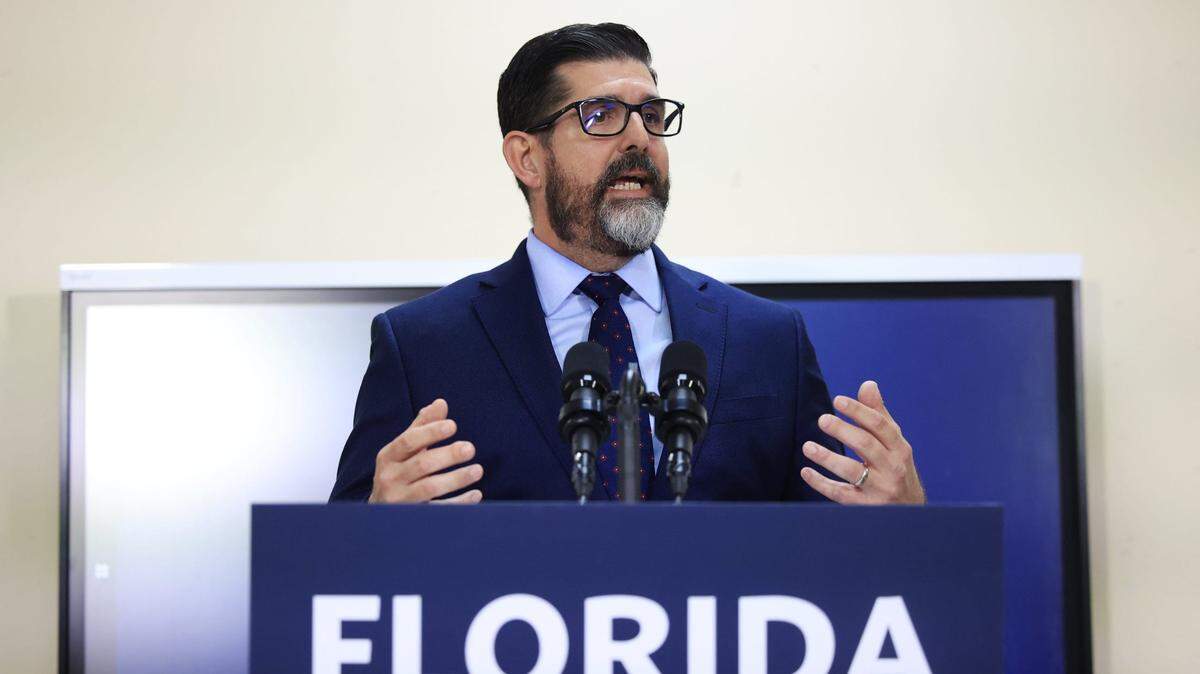
School districts in Miami-Dade and Broward counties announced Wednesday that they would be among those offering the course, although in Broward it will be require parents to “opt-in.” The districts’ decisions came after Education Commissioner Manny Diaz Jr., who is from Miami and once taught in the public schools here, said the class could be taught.
But the fact that school districts have to publicly announce their intent to teach a class that has been around since 1993 is indicative of the problem. Under Florida Gov. Ron DeSantis and his lockstep Legislature, fear has seeped into schools. Teachers and school districts are rightfully worried about violating the Parental Rights in Education Act, the “Don’t say gay” law that outlawed sexual orientation and gender identity teachings. The penalties for a violation are potential career-enders, teaching licenses suspended or revoked..
This all happened after the College Board, the New York City-based nonprofit that manages AP courses in the United States, said last week that it wouldn’t recognize Florida’s AP psychology course and — critically — wouldn’t give students college credit for it because the state wanted any mention of sexual orientation and gender identity stripped out. Any course that censors required content cannot be labeled “AP” or “Advanced Placement,” the board said. Students applying for college rely on AP credits as a plus on their applications.
And school is about to start — next week in Miami-Dade and the following week in Broward.
So now the state says it’s OK to teach the course, but the education world is jittery, with good reason. Can the state be trusted?
In Leon County, where Tallahassee is located, Superintendent Rocky Hanna said the district would offer the class, but he is clearly wary. On Twitter, he wrote: “Our teachers have some concerns but we are going to take the commissioner of education’s word when he says that Advanced Placement Psychology may be taught in its entirety,” Hanna said.
He added that he has told the staff to “respect the law and follow the law but not to fear the law.”
This is where we are in Florida: Instead of supporting our public school teachers, we are instilling fear and worry. Instead of celebrating their hard work, we are threatening them with license suspensions if they dare to cross the power of the mighty state.
Teaching has always required courage. In Florida, it now requires a whole new brand of bravery.
BEHIND THE STORY
MOREWhat's an editorial?
Editorials are opinion pieces that reflect the views of the Miami Herald Editorial Board, a group of opinion journalists that operates separately from the Miami Herald newsroom. Miami Herald Editorial Board members are: opinion editor Amy Driscoll and editorial writers Isadora Rangel and Mary Anna Mancuso. Read more by clicking the arrow in the upper right.
What's the difference between an op-ed and a column?
How does the Miami Herald Editorial Board decide what to write about?
The Editorial Board, made up of experienced opinion journalists, primarily addresses local and state issues that affect South Florida residents. Each board member has an area of focus, such as education, COVID or local government policy. Board members meet daily and bring up an array of topics for discussion. Once a topic is fully discussed, board members will further report the issue, interviewing stakeholders and others involved and affected, so that the board can present the most informed opinion possible. We strive to provide our community with thought leadership that advocates for policies and priorities that strengthen our communities. Our editorials promote social justice, fairness in economic, educational and social opportunities and an end to systemic racism and inequality. The Editorial Board is separate from the reporters and editors of the Miami Herald newsroom.
How can I contribute to the Miami Herald Opinion section?
The Editorial Board accepts op-ed submissions of 650-700 words from community members who want to argue a specific viewpoint or idea that is relevant to our area. You can email an op-ed submission to oped@miamiherald.com. We also accept 150-word letters to the editor from readers who want to offer their points of view on current issues. For more information on how to submit a letter, go here.