
Trump betrayed us. He needs to face the Jan. 6 charges — but so do we, the nation | Opinion
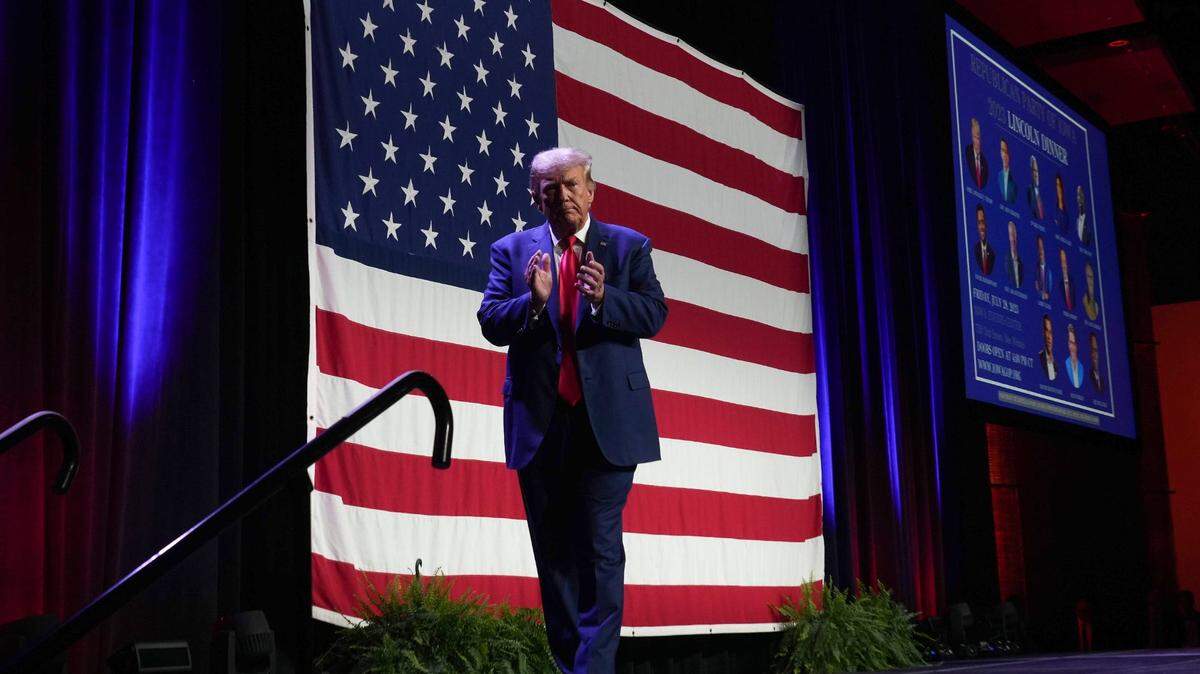
It finally happened. The big one. The criminal indictment on Tuesday of former President Donald Trump on grounds he tried to overturn the results of the 2020 election.
The four-count, 45-page indictment came more than 2 1/2 years after Trump incited the Jan. 6, 2021, attack on the U.S. Capitol and, in the process, encouraged an attack on democracy.
Whether you dreaded this day as a terrible time for the country or cheered it as justice too long delayed, the now three-time-indicted former president will finally have to face accusations that he used his power as president to try to subvert the will of the voters and stay in office, even when it was clear he’d lost the election. The indictment charges him with three crimes: conspiring to defraud the United States, conspiring to obstruct an official proceeding and conspiring against people’s rights.
This extraordinary moment had to come. Trump must be held accountable for his actions — or lack of them, because he did nothing for hours to quell the deadly insurrection in his name. Otherwise, our system of laws will have no meaning. The fact that these charges have been lodged while Trump attempts to regain the same office he betrayed so completely is more proof of the existential danger he poses to our democracy.
Trump issued a statement through his campaign calling the charges “fake” and saying he was being targeted by a “weaponized Department of Justice to interfere with the 2024 Presidential Election.”
A day of horror
Yes, there are Americans who continue to insist Trump did nothing wrong — and there are many of them, cult-like in their loyalty — but so many others in this country remember the horror of that day and know that something went not just wrong, but dangerously so. We remember the fear in our guts as armed crowds surged past the barricades and overran the brave Capitol police in Washington, D.C. We remember watching seething mobs storm into the building, hunting for members of Congress and for Vice President Mike Pence, threatening to hang him. That was no empty threat: They erected a gallows with a noose on the grounds of the Capitol.
We remember the shame of seeing the Capitol defiled that way, by our fellow citizens. We remember wondering where the National Guard was, knowing that Trump certainly could have called upon them to defend the beating heart of our democracy.
Trump has been charged, but we, too, as a country, need to face these accusations. Looking the other way, as the Senate did when it refused to impeach Trump after the attack, has only deepened the wound to the nation and emboldened those who seek to undermine our government. Trump himself has become more intent, openly, on expanding his power. And he has spawned the likes of Ron DeSantis, Florida’s governor.
Trump’s actions are unprecedented. He already has been indicted twice before this. One case, in New York in March, accuses him of violating state law by falsifying business records related to alleged hush-money payments to porn star Stormy Daniels prior to the 2016 election. The other, based in Florida, accuses him of taking documents containing national-security secrets, keeping them at his Palm Beach estate, then attempting to obstruct justice in that investigation.
‘Destabilizing lies’
And now there is this case, the one with the greatest ramifications for democracy because Trump’s actions tried to undermine trust in our elections. As the indictment says, “Each of these conspiracies — which built on the widespread mistrust the defendant was creating through pervasive and destabilizing lies about election fraud — targeted a bedrock function of the United States federal government: the nation’s process of collecting, counting and certifying the results of the presidential election.”
For those who say Trump should face the consequences of his actions at the ballot box, yes, he should. Many prefer that to time-consuming legal proceedings. But casting a vote against Trump cannot be the only recourse we have if — as seems most certainly to be true — he broke the law in at least one of these cases and probably more. And that’s exactly what trials are for.
Remember that more than 1,000 people have been charged in the Jan. 6 attack, a violent assault that cost five lives, defiled the Capitol and had members of Congress running for their lives. At least 89 of those defendants have come from Florida, where the ex-president lives. Among them was Enrique Tarrio, the former Proud Boys leader who lived in Miami and was convicted in May of seditious conspiracy in the plot to attack the U.S. Capitol. Should we prosecute them but not the ex-president?
In some ways, certainly, this is yet another new low for the country, attributable to Trump. But it may also show us that our institutions are strong enough to stand up to the kind of prolonged assault that a person like Trump — an amoral person with money, power and a massive, easily wounded ego — has heaped on it.
We’re about to find out.

Click here to send the letter.
BEHIND THE STORY
MOREWhat's an editorial?
Editorials are opinion pieces that reflect the views of the Miami Herald Editorial Board, a group of opinion journalists that operates separately from the Miami Herald newsroom. Miami Herald Editorial Board members are: opinion editor Amy Driscoll and editorial writers Isadora Rangel and Mary Anna Mancuso. Read more by clicking the arrow in the upper right.
What's the difference between an op-ed and a column?
How does the Miami Herald Editorial Board decide what to write about?
The Editorial Board, made up of experienced opinion journalists, primarily addresses local and state issues that affect South Florida residents. Each board member has an area of focus, such as education, COVID or local government policy. Board members meet daily and bring up an array of topics for discussion. Once a topic is fully discussed, board members will further report the issue, interviewing stakeholders and others involved and affected, so that the board can present the most informed opinion possible. We strive to provide our community with thought leadership that advocates for policies and priorities that strengthen our communities. Our editorials promote social justice, fairness in economic, educational and social opportunities and an end to systemic racism and inequality. The Editorial Board is separate from the reporters and editors of the Miami Herald newsroom.
How can I contribute to the Miami Herald Opinion section?
The Editorial Board accepts op-ed submissions of 650-700 words from community members who want to argue a specific viewpoint or idea that is relevant to our area. You can email an op-ed submission to oped@miamiherald.com. We also accept 150-word letters to the editor from readers who want to offer their points of view on current issues. For more information on how to submit a letter, go here.
This story was originally published August 1, 2023 at 7:11 PM.